0

In this article

  • Understanding How Pregnancy Test Kits Work
  • Why Early Detection Matters
  • Factors That Affect Pregnancy Test Accuracy
  • How to Choose the Right Pregnancy Test Kit for Early Detection
  • Comparison of Pregnancy Test Kits Based on Timing and SensitivityStrip Pregnancy Test Kits
  • Midstream Pregnancy Test Kits
  • Early Detection Pregnancy Test Kits
  • Digital Pregnancy Test Kits
  • When Is the Best Time to Test for Pregnancy?
  • Common Mistakes to Avoid While Using Pregnancy Test Kits
  • Who Should Consider Early Detection Pregnancy Tests?
  • Conclusion

Choosing the Right Pregnancy Test Kit for Early Detection

Learn how to choose the right pregnancy test kit for early detection. Understand sensitivity, timing, accuracy, and test types for reliable results.

article image

Apollo Pharmacy

Planning a pregnancy or facing uncertainty about a possible conception can be an emotionally sensitive phase in a woman’s life. One of the earliest and most common steps taken is using a home pregnancy test kit. With a wide range of pregnancy test kits available in the market, choosing the right one,especially for early detection can feel confusing. Accuracy, sensitivity, timing, and ease of use all play an important role in making the right decision. Understanding how pregnancy test kits function and what factors influence their results can help women choose confidently and reduce unnecessary anxiety.

Modern pregnancy test kits are designed to detect the hormone human chorionic gonadotropin (hCG) in urine. This hormone is produced shortly after a fertilised egg implants in the uterus. However, not all pregnancy test kits detect human chorionic gonadotropin at the same sensitivity or at the same stage of pregnancy. This guide explains how pregnancy test kits work, the factors affecting early detection, how to compare available options, and how to choose the most suitable pregnancy test kit for early results.

Understanding How Pregnancy Test Kits Work

A pregnancy test kit works by detecting the hormone human chorionic gonadotropin, which is released into the bloodstream and urine after implantation. Implantation usually occurs 6–10 days after ovulation. After implantation, human chorionic gonadotropin levels begin to rise rapidly, typically doubling every 48–72 hours in early pregnancy.

Key Points to Know

  • The hormone human chorionic gonadotropin is not detectable immediately after conception
  • Early testing depends on the sensitivity of the pregnancy test kit
  • Testing too early can result in a false negative

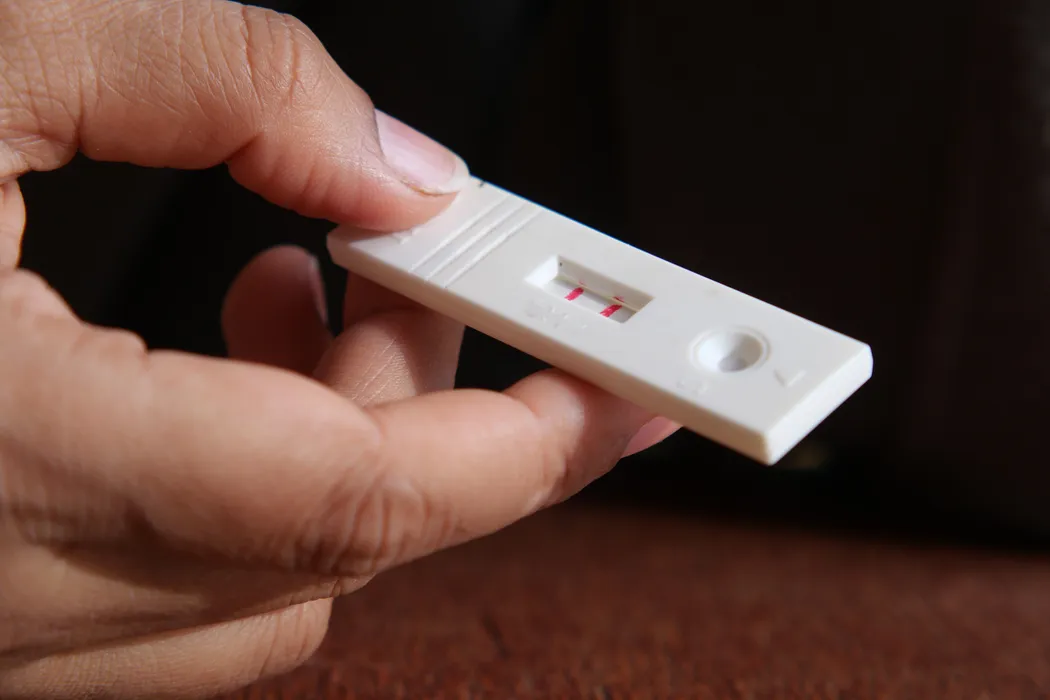
Most home pregnancy test kits use immunoassay technology, where antibodies react with human chorionic gonadotropin to produce a visible line, symbol, or digital display indicating the result.

Why Early Detection Matters
 

Early detection of pregnancy is important for many women, particularly those actively planning conception or managing specific health conditions.

Benefits of Early Detection

  • Allows early initiation of prenatal care
  • Helps avoid medications or habits that may be unsafe during pregnancy
  • Reduces anxiety caused by uncertainty
  • Enables timely consultation with a healthcare provider

Although early detection pregnancy test kits can detect pregnancy up to 4–5 days before a missed period, the accuracy of results improves significantly after the expected date of menstruation.

Factors That Affect Pregnancy Test Accuracy
 

Several biological and technical factors influence the accuracy of pregnancy test results.

1. Timing of the Test

Testing before implantation or before sufficient levels of human chorionic gonadotropin are present may give a negative result even if pregnancy has occurred.

2. Sensitivity of the Kit

Sensitivity is measured in mIU/mL.

  • High sensitivity (10–20 mIU/mL): Suitable for early detection
  • Standard sensitivity (25 mIU/mL): More reliable after a missed period

3. Urine Concentration

First-morning urine contains the highest concentration of human chorionic gonadotropin, improving detection accuracy.

4. Testing Method

Strip tests, midstream tests, and digital tests vary in handling, clarity, and convenience.

In addition to these factors, hormonal levels can vary naturally among women. Some women may produce detectable human chorionic gonadotropin earlier, while others may experience later implantation. This variation explains why early testing may yield different results in different individuals. Repeating the test after 48–72 hours, rather than testing repeatedly in short intervals, improves reliability and reduces stress.

Proper storage of pregnancy test kits is also essential. Kits should be stored at room temperature, away from moisture and heat, and used before the expiry date. Expired or poorly stored kits may give inaccurate results.

How to Choose the Right Pregnancy Test Kit for Early Detection

Selecting the best pregnancy test kit depends on individual needs, timing, and comfort.

  • Sensitivity Level: 
    For early testing, choose kits with sensitivity of 20 mIU/mL or lower.
  • Ease of Use:
    Midstream tests are hygienic and convenient
    Strip tests are economical but require careful handling
    Digital tests reduce interpretation errors
  • Result Clarity
    Early pregnancy may show faint lines. Digital tests provide clear “Pregnant” or “Not Pregnant” results but may require higher hormone levels.
  • Reliability and Quality
    Always select kits with clear instructions, quality certification, and visible expiry dates.
  • Cost vs Frequency
    Strip tests are suitable for repeated testing, while digital tests may be preferred for confirmation.

Comparison of Pregnancy Test Kits Based on Timing and Sensitivity

Strip Pregnancy Test Kits

  • Sensitivity: Moderate to high
  • Best for: Frequent testing
  • Pros: Affordable
  • Cons: Interpretation of faint lines

Buy Pregnancy Test Kits Here

Midstream Pregnancy Test Kits

  • Sensitivity: Moderate
  • Best for: Convenience
  • Pros: Easy to use
  • Cons: Slightly expensive

Buy Midstream Pregnancy Test Kits Here

Early Detection Pregnancy Test Kits

  • Sensitivity: High (10–20 mIU/mL)
  • Best for: Pre-missed-period testing
  • Pros: Early results
  • Cons: Possible false negatives if too early

Buy Advance Pregnancy Test Kits Here

Digital Pregnancy Test Kits

  • Sensitivity: Moderate
  • Best for: Clear confirmation
  • Pros: No ambiguity
  • Cons: May not detect very early pregnancy

Buy Pregnancy Test Kits Here

When Is the Best Time to Test for Pregnancy?

Timing is critical for accurate results.

  • 4–5 days before missed period: Use high-sensitivity kits
  • On the day of missed period: Most kits are reliable
  • 1 week after missed period: Accuracy exceeds 99%

If an early test is negative but symptoms persist, retesting after 48–72 hours is recommended.

Common Mistakes to Avoid While Using Pregnancy Test Kits

Even high-quality pregnancy test kits can give misleading results if used incorrectly.

  • Testing too early
  • Drinking excess fluids before testing
  • Reading results after the recommended time
  • Using expired kits
  • Ignoring manufacturer instructions

Correct usage significantly improves accuracy and confidence in results.

Who Should Consider Early Detection Pregnancy Tests?
 

Early detection pregnancy test kits are particularly useful for women who are actively trying to conceive and wish to monitor pregnancy as soon as possible. For couples undergoing fertility 
planning, assisted reproductive treatments, or ovulation tracking, early detection allows timely awareness and better planning. Women who have been advised to closely monitor conception due to age-related factors or previous pregnancy complications may also benefit from early testing, as it enables them to take necessary precautions without delay.

Women with irregular menstrual cycles often find it difficult to determine the exact timing of a missed period. In such cases, early detection pregnancy tests with high sensitivity can help provide preliminary insight when cycle patterns are unpredictable. Similarly, women experiencing early pregnancy symptoms such as mild nausea, breast tenderness, fatigue, or abdominal discomfort may consider early testing to reduce uncertainty and anxiety.

Early detection is also important for women who are taking medications that may be contraindicated during pregnancy. Certain prescription drugs, supplements, or lifestyle exposures require early discontinuation once pregnancy occurs. Detecting pregnancy at an early stage allows women to consult healthcare professionals promptly and make informed decisions that protect both maternal and fetal health.

However, it is equally important to understand that early detection pregnancy tests may not always provide definitive results. Emotional preparedness plays a key role in deciding whether to test early. Some women may find repeated early testing stressful, especially if results are unclear or negative due to low hormone levels. In such cases, waiting until the missed period may offer greater emotional comfort and more reliable results. Choosing whether to test early should be a personal decision based on medical needs, emotional readiness, and individual circumstances rather than pressure or expectations.

When to Confirm Pregnancy Medically

Home pregnancy tests are screening tools and should be followed by medical confirmation.

  • Blood human chorionic gonadotropin test
  • Ultrasound after 5–6 weeks

Medical confirmation ensures accurate assessment of pregnancy location and progression.

Emotional Considerations While Testing

Waiting for results can be emotionally challenging. Anxiety, hope, and uncertainty are common experiences.

  • Maintain realistic expectations
  • Avoid excessive testing
  • Seek emotional support if needed
  • Focus on self-care

Access to trusted pregnancy test kit providers, such as Apollo, allows women to choose suitable options for early detection or confirmation, helping reduce uncertainty during the early stages of pregnancy planning.
Conclusion

Choosing the right pregnancy test kit is a meaningful and often emotional step in a woman’s reproductive journey. With the availability of various pregnancy test kits designed for early detection, confirmation, and convenience, understanding how these tests work is essential for making informed decisions. Factors such as hormone sensitivity, correct timing, urine concentration, and proper usage directly influence the accuracy of results. While modern pregnancy test kits are highly reliable, their effectiveness depends largely on using the right type of kit at the appropriate stage of the menstrual cycle.

Early detection pregnancy test kits provide the advantage of identifying pregnancy before a missed period, allowing women to take timely health-related decisions. However, testing too early can sometimes lead to false negative results, which may cause unnecessary worry. Patience, realistic expectations, and awareness of natural hormonal variations are important when interpreting early test outcomes. Repeating the test after 48–72 hours or testing after a missed period significantly improves result reliability.

Ultimately, pregnancy test kits are valuable tools when chosen wisely and used correctly. By understanding sensitivity levels, selecting reliable products, following instructions carefully, and confirming results medically, women can approach early pregnancy testing with confidence and clarity. Whether testing early or waiting for confirmation, informed choices combined with professional guidance ensure a balanced and reassuring start to the pregnancy journey.

Apollo 247 Floating Action Button