Starting a new gym routine is exciting—you’re motivated, energised, and ready to challenge yourself. But one of the most common and frustrating problems beginners face is gym blisters, especially on the feet. These small but painful skin irritations, usually caused by friction between your shoes, socks, and skin, can make walking, running, or even standing difficult. Left untreated, they can slow your progress and make it harder to stay consistent with workouts.
Fortunately, gym blisters are highly preventable and manageable with a few simple habits. Choosing the right shoes, keeping your feet dry, and using protective pads or gels can dramatically reduce the risk. Being prepared ensures that you stay comfortable, recover faster if blisters appear, and maintain your fitness routine without unnecessary setbacks.
New Gym Shoe Blisters? Tips to Treat and Prevent Them
Got gym blisters? Learn simple shoe blister treatment and prevention tips. Our guide helps you get back to your workout pain-free and ready to go.
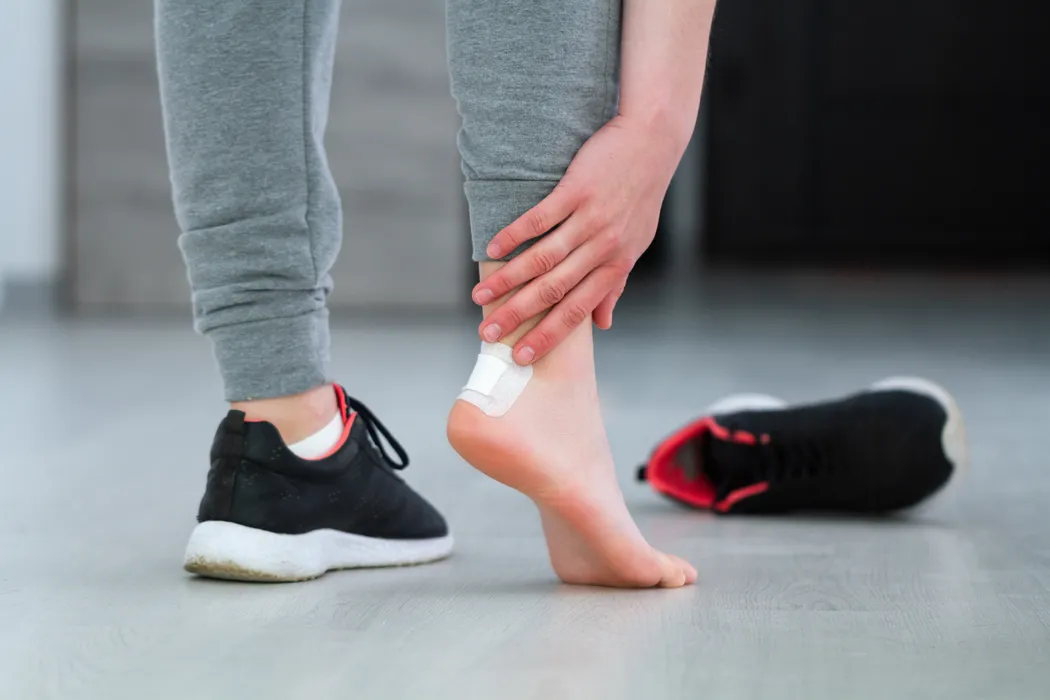
Apollo Pharmacy
Causes of Gym Blisters
Understanding what leads to blisters is the first step to avoiding them. The following are the most common causes:
- Friction: Continuous rubbing between your skin and shoes or socks leads to irritation and fluid buildup beneath the skin’s surface.
- New or stiff shoes: Shoes that haven’t yet moulded to your feet often create hot spots, increasing the chance of blisters.
- Sweaty feet: Moisture softens the skin, making it more vulnerable to friction and tearing.
- Poorly fitting shoes: Shoes that are either too tight or too loose can cause pressure points and repeated rubbing on certain areas.
In short, any factor that increases friction, heat, or moisture can trigger a blister—especially during high-intensity workouts or long cardio sessions.
Fast Relief Options for Blisters
If you already have a blister, taking quick action can minimise discomfort and prevent infection. Follow these steps for fast relief:
- Clean gently: Wash the affected area with warm water and mild soap to remove dirt and bacteria.
- Apply antiseptic: Use an antiseptic cream or ointment to prevent infection and aid healing.
- Cover it up: Protect the area with a clean bandage, gauze, or a specialised blister plaster designed to cushion the spot and reduce further rubbing.
- Avoid popping it: Let the blister heal naturally. If it bursts accidentally, clean it immediately, apply antiseptic, and re-cover with a sterile dressing.
Prompt and proper care keeps your feet protected and ensures faster healing, allowing you to return to your workouts sooner.
Tape & Socks: Simple Preventive Measures
Preventing blisters is always easier than treating them. With the right accessories and attention to detail, you can avoid most friction-related issues altogether:
- Use sports tape: Apply athletic or blister tape to high-friction areas like your heels, toes, or arches before workouts. It acts as a protective barrier and significantly reduces skin irritation.
- Choose moisture-wicking socks: Synthetic or wool-blend athletic socks help keep your feet dry and comfortable by drawing sweat away from the skin.
- Avoid cotton socks: Cotton retains moisture, making your skin more prone to chafing and blistering.
- Check shoe fit and condition: Ensure your shoes fit well, provide adequate cushioning, and are properly broken in before intense training sessions.
The right combination of socks, tape, and footwear can offer powerful protection, keeping your feet comfortable and blister-free even during demanding workouts.


Shoe Break-In Tips
Breaking in your gym shoes properly is one of the simplest ways to prevent discomfort, friction, and painful blisters during workouts. New shoes often have stiffer materials that need time to soften and adapt to the shape of your feet. Follow these steps to ensure a comfortable fit and blister-free training experience:
- Start slow: Avoid wearing brand-new shoes straight to an intense workout. Begin with short walks around the house or during light daily activities. This allows your feet and shoes to gradually adjust to each other.
- Soften and mold: Over time, the shoe’s material will contour to your foot shape, improving flexibility and comfort. You can gently flex or massage the shoes with your hands to help the process along.
- Check laces and fit: Proper lacing is key—too tight can cause pressure spots, while too loose can make your feet slide and rub. Adjust your laces to achieve a snug but comfortable fit that keeps your foot stable.
- Prevent blisters: Giving your shoes time to break in significantly reduces friction, especially around the heel and toe areas. A gradual break-in period helps you avoid painful gym blisters and allows for a smoother transition to longer workouts.
When to Replace Footwear?
Even the most comfortable shoes don’t last forever. Old or worn-out shoes are a common but often overlooked cause of blisters and foot pain. Here’s how to know when it’s time to replace them:
- Loss of cushioning and support: Over time, your shoes lose their shock absorption and stability, increasing stress on your feet and joints.
- Signs of wear: Look for thinning soles, uneven tread, or worn-out insoles—these are clear indicators that your shoes are no longer protecting your feet properly.
- Increased friction: As the interior lining breaks down, your feet may start rubbing against rougher surfaces, leading to new blisters even if the shoes felt fine before.
- Replacement timeline: As a general rule, replace your workout shoes every 6–12 months, depending on how often and how intensely you train. High-mileage runners or daily gym-goers may need to replace them sooner.
Regularly updating your footwear is a proactive strategy for blister prevention, ensuring consistent comfort, support, and protection for your feet as you progress in your fitness journey.
Conclusion
Don’t let gym blisters hold you back from achieving your fitness goals. With the right shoe blister treatments, you can find quick relief for any existing blisters, allowing you to continue your workouts comfortably. Prevention is just as important—wearing moisture-wicking socks, using sports tape on vulnerable areas, and properly breaking in new shoes can dramatically reduce the risk of blisters forming. By taking these simple precautions, you can protect your feet, stay consistent with your exercise routine, and enjoy your workouts without discomfort. For a wide range of reliable first aid products, including effective blister care solutions, visit Apollo Pharmacy and ensure you’re fully prepared for every training session.


