An ingrown toenail may seem like a small problem, but it can cause surprising pain and discomfort. It occurs when the edge of the toenail grows into the surrounding skin, leading to redness, swelling, and sometimes infection. This common issue affects adults, athletes, and even seniors, especially those who wear tight shoes or spend long hours on their feet. The good news is that most mild cases can be managed safely at home with the right care and hygiene. This article explains simple, effective ways to relieve pain, reduce swelling, and prevent the problem from returning — along with when it’s best to see a doctor for proper treatment.
How to Treat Ingrown Toenails at Home
Practical, friendly steps to treat ingrown toenails at home safely. Learn causes in India, simple home solutions, prevention tips, when to see a doctor, and buy supplies from apollopharmacy.in online
Apollo Pharmacy
What is an Ingrown Toenail?
An ingrown toenail occurs when the corner or edge of the nail grows into the surrounding skin instead of straight out. This often affects the big toe and leads to pain, redness, swelling, and sometimes pus formation. The affected area becomes tender, making it difficult to walk or wear shoes comfortably. If untreated, the infection can spread deeper into the skin and tissues, which may require medical attention. Early recognition and home care are key to quick relief.


Common Causes in India
Knowing why it happens helps you prevent future occurrences. Several daily habits and environmental factors contribute to ingrown toenails, particularly in India’s climate. Common causes include:
- Tight or narrow footwear: Wearing shoes that press against the toes can cause the nail to curve into the skin.
- Incorrect nail trimming: Cutting nails too short or rounding the corners encourages them to grow inward.
- Humidity and sweat: The warm, humid weather in India softens the skin around nails, making it easier for nails to dig in.
- Walking barefoot in public areas: This increases the risk of infection and injury, especially in places like pools or gyms.
- Toe trauma: Sports, running, or certain jobs that involve constant standing or movement can injure the toenail bed.
By understanding these causes, you can take simple preventive steps before the pain begins.
Effective Home Solutions
Learn practical and safe ways to ease pain and heal at home. Treating ingrown toenails at home involves soothing inflammation, preventing infection, and allowing the nail to grow correctly again. Here’s a safe, step-by-step approach:
- Warm salt soaks: Soak your affected foot in warm water mixed with Epsom salt or a mild antiseptic for 15–20 minutes, two to three times daily. This softens the skin, reduces swelling, and helps draw out trapped fluids.
- Lift the nail gently: After soaking, carefully lift the nail corner using clean cotton or dental floss to prevent it from digging in further. Replace the cotton daily.
- Apply an antibiotic ointment: Use an over-the-counter antiseptic or antibiotic cream to prevent bacterial infection and cover it with a sterile dressing.
- Wear comfortable shoes: Avoid tight or pointed shoes that press against your toes. Choose breathable, wide-toe footwear that allows air circulation.
- Manage pain: Over-the-counter pain relievers can ease discomfort temporarily — always use them as directed.
- Use toe protectors: Toe caps, cushions, or silicone sleeves can reduce friction and protect the nail edge while healing.
- Try mild natural remedies: Some people find relief from diluted tea tree oil (for its antiseptic properties) or turmeric paste (for its soothing and anti-inflammatory benefits).
If the pain persists or pus forms, stop home treatment and consult a healthcare professional immediately.
Prevention Tips
Simple habits can help you avoid recurring ingrown toenails. Preventing ingrown toenails is easier than treating them repeatedly. Follow these practical steps:
- Trim nails properly: Cut toenails straight across and avoid rounding the corners. This prevents the nail from growing into the skin.
- Keep nails moderate in length: Nails that are too short are more likely to curve downward and pierce the skin.
- Wear the right footwear: Shoes should fit comfortably, leaving enough room for your toes to move freely.
- Maintain foot hygiene: Wash feet daily, keep them dry, and change socks regularly to prevent bacterial build-up.
- Avoid trauma: If you play sports or work long hours on your feet, use protective footwear or cushioned insoles.
Making these steps part of your routine can significantly reduce your risk of painful recurrences.
When to See a Doctor?
Know when home care isn’t enough and medical help is needed.
While mild ingrown toenails usually heal with home care, professional attention is required in the following situations:
- Persistent or worsening pain: If redness and swelling do not improve within a few days.
- Signs of infection: Pus, severe inflammation, or an unpleasant odour are clear indicators.
- Diabetes or circulation problems: People with these conditions should avoid home treatment and seek medical help promptly.
- Recurrent cases: If the problem returns frequently, a podiatrist may suggest a small procedure to reshape or partially remove the nail.
Doctors can prescribe antibiotics, drain abscesses, or remove part of the nail under sterile conditions. Early treatment prevents serious infection and long-term nail damage.
Recommended Products (Available at Apollo Pharmacy)
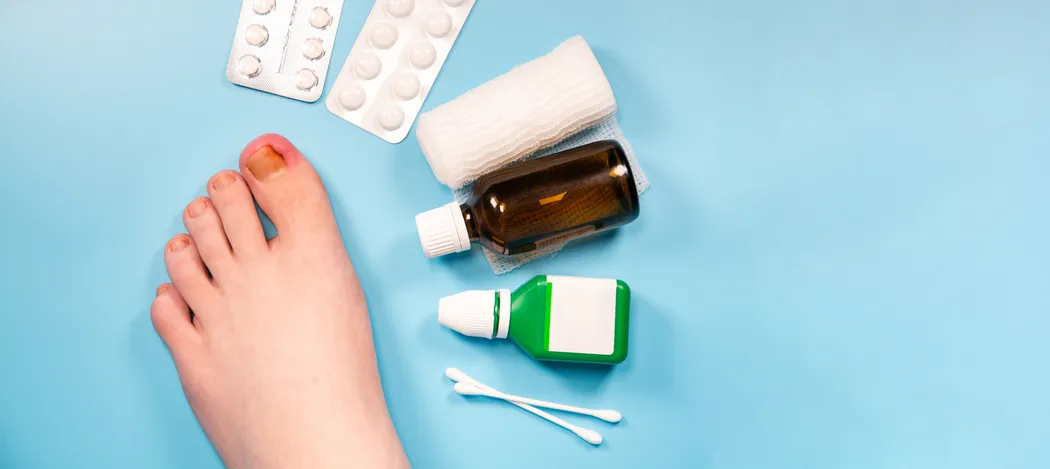
Having the right supplies at home makes care safer and easier. The recommended products include:
- Epsom salt: Ideal for soothing and disinfecting warm foot soaks.
- Mild antiseptic solutions: Help clean the affected area and prevent bacterial growth.
- Antibiotic ointments: Promote healing and prevent secondary infections.
- Sterile gauze and adhesive dressings: Protect the area after treatment and reduce friction.
- Toe protectors and cushions: Prevent the nail edge from pressing into the skin.
- Breathable footwear: Encourages faster recovery and comfort during walking.
All these essential items can be easily ordered online through apollopharmacy.in for convenient and reliable access to genuine products.
Conclusion
Ingrown toenails can be painful, but with timely home care, most cases heal within days. Regular warm soaks, proper nail trimming, and avoiding tight shoes are the cornerstones of effective management. Always keep your feet clean, wear comfortable footwear, and use antiseptic ointments when necessary. If your symptoms worsen or if you have diabetes, seek medical help without delay to prevent complications. By following these safe, at-home steps and knowing when to consult a doctor, you can manage discomfort effectively and prevent future recurrences.


