Conditioners are designed to restore softness, smoothness, and shine—but when used incorrectly, they can make hair appear limp, oily, or heavy. Many people with oily or fine hair skip conditioner altogether, fearing grease, but that only leads to dryness and imbalance. The secret lies in how you use it—the right amount, the right placement, and the right formula.
This guide explains how to use conditioner effectively without making hair greasy. You’ll learn how to measure just the right amount, apply it strategically, and pick lightweight products made for oily scalps.
How To Use Conditioner Without Making Hair Greasy?
Learn how to use conditioner without making hair greasy. Get dosage, application, and rinse tips, plus product picks from apollopharmacy.in for oily hair, teens, and men.
Apollo Pharmacy
1. Conditioner Dosage
When it comes to conditioner, less really is more. Using too much can coat your hair, attract dust, and leave it greasy within hours—especially in India’s humid weather. The right dosage ensures your hair gets enough hydration without any heaviness.
- Start small and build up: Begin with a coin-sized amount of conditioner for short to medium-length hair. For longer hair, you can add a little more, but avoid pouring large dollops directly into your palm.
- Avoid heavy dollops: Thick, creamy conditioners are better suited for very dry or damaged hair. For oily or fine hair, these can create buildup on the scalp and make hair feel sticky soon after washing.
- Measure purposely: Think of conditioner as a concentrated treatment, not a product to saturate your hair with. A mindful approach helps maintain volume and freshness between washes.
- Pick the right formula: Always check the label for terms like “oil control,” “light hydration,” or “weightless moisture.” A conditioner for oily hair is designed with lighter emollients that nourish strands without coating them excessively.
2. Application Tricks
Even the best conditioner can make hair greasy if it’s applied in the wrong way. Proper technique ensures your strands get the moisture they need while keeping your scalp clean and balanced.
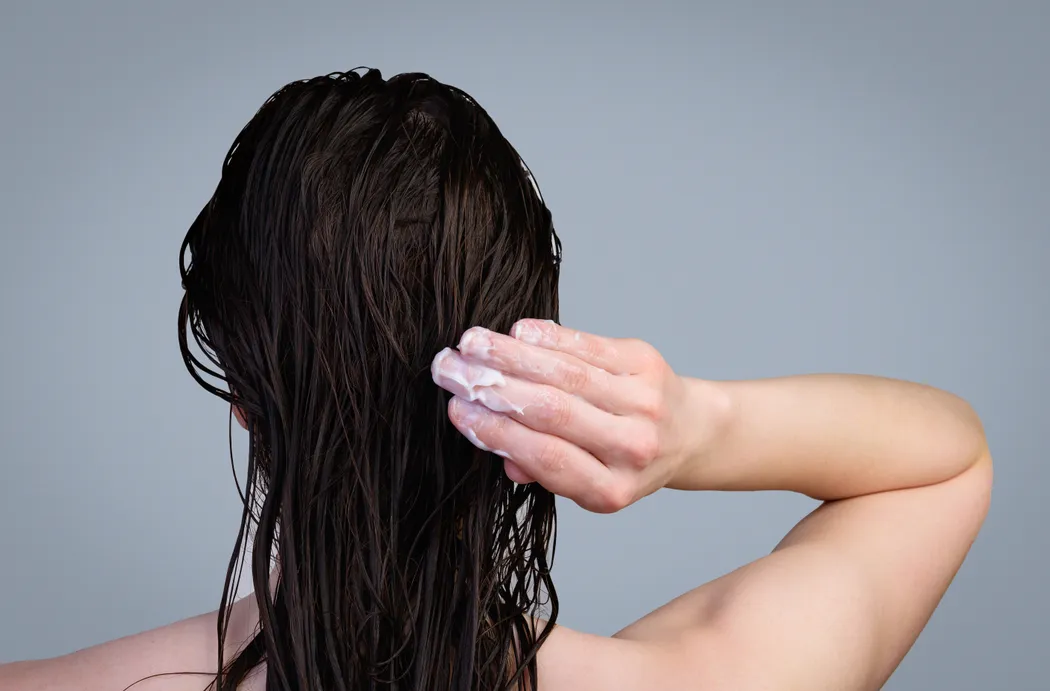
- Focus on mid-lengths and ends: The scalp naturally produces oils, but the lower half of your hair doesn’t get the same hydration. Apply conditioner only from the mid-lengths to the tips, where dryness and split ends usually occur.
- Distribute evenly: Use your fingers or a wide-tooth comb to spread the conditioner throughout your hair. This ensures even coverage and prevents clumps that can cause buildup or greasiness later.
- Avoid the scalp: This is one of the most important steps. Conditioning near the roots can stimulate sebum production and flatten your hair’s volume. Always keep at least an inch away from the scalp when applying.
- Try lightweight leave-ins: If your ends still feel dry, apply a small amount of light leave-in conditioner on damp hair. Look for sprays or water-based formulations that hydrate without stickiness.
- Alternate products: Rotating between a regular conditioner and a light, oil-control one once or twice a week prevents product buildup and helps your scalp stay balanced.
3. Best Lightweight Conditioners
Not all conditioners are created equal—especially when dealing with oily hair. The best formulas provide moisture without weighing hair down or leaving behind residue. Look for lightweight, sulfate-free conditioners enriched with proteins, gentle humectants, and balancing botanicals. These nourish hair from within while keeping the scalp fresh and grease-free.
Here are some top picks for oily or fine hair that deliver softness without the slickness:
- Head & Shoulders Smooth & Silky Conditioner: Designed for daily use, this formula smooths frizz while maintaining scalp freshness. It pairs well with anti-dandruff shampoos and keeps hair light and manageable even in humid climates.
- Pantene Pro-V Oil Control Conditioner: A go-to for those with oily roots and limp lengths, this conditioner balances scalp oils while enhancing natural shine and bounce.
- L’Oréal EverPure Sulfate-Free Conditioner: Gentle and colour-safe, this silicone-free conditioner hydrates effectively without coating the hair. Ideal for people who wash their hair frequently or live in dusty, humid environments.
- Himalaya Protein Conditioner: Infused with natural proteins and herbs, this lightweight formula nourishes hair strands and maintains softness across all hair types—without any heaviness or greasy feel.


4. Rinsing Tips
Rinsing is a simple step that makes a big difference when it comes to avoiding greasy residue. Even the best conditioner can weigh hair down if it’s not rinsed out properly. Taking an extra minute at the sink ensures your strands are clean, soft, and naturally shiny.
- Rinse thoroughly: After conditioning, spend at least 30–60 seconds rinsing your hair under running water. Make sure no slippery film remains—especially near the roots.
- Finish cool: Always end with cool or lukewarm water. This helps seal the cuticle layer of your hair, locking in shine while minimising frizz and excess oil production.
- Skip heavy leave-ins: If your hair tends to get greasy quickly, avoid layering dense creams or oil-based serums immediately after conditioning. Instead, choose lightweight sprays or mists for added softness.
5. Oily Hair Recovery Routine
If your scalp gets greasy within a day or two, your routine—not just your products—might need an upgrade. A consistent approach helps balance oil production, keeps your scalp clean, and extends the freshness of your wash.
Follow these simple but effective habits for long-term scalp and hair balance:
- Wash moderately: Cleanse your hair every 2–3 days or as needed. Over-washing can trigger the scalp to produce more oil as a defence mechanism.
- Clarify weekly: Use a clarifying shampoo once a week to remove leftover conditioner, pollution, and styling product buildup.
- Light hydration only: Stick to oil-control conditioners that offer hydration without heaviness. Avoid formulas labelled “deep moisture” or “intense repair” unless your ends are very dry.
- Exfoliate the scalp weekly: A gentle scalp scrub or exfoliating shampoo helps remove dead cells, balance oil levels, and improve nutrient absorption from conditioners.
- Avoid heavy stylers: Stay clear of thick creams, wax-based gels, or heavy serums that can attract dirt and make hair greasy faster.
Conclusion
Conditioner isn’t just for dry or damaged hair—it’s essential even for oily scalps when used the right way. The secret lies in how you apply it: use a small amount, apply from the mid-lengths downward, and rinse completely with cool water. Pair this with lightweight, sulfate-free formulas to maintain soft, shiny, and fresh hair that stays grease-free all day.
For dermatologist-recommended, non-greasy conditioners and convenient doorstep delivery, explore oil-control and lightweight hair care options at Apollo Pharmacy today.


