0

In this article

  • What Exactly are Macronutrients?
  • Finding Your Ideal Protein Carb Fat Ratio for Weight Loss
  • Best High Protein Low Carb Foods for Weight Loss
  • Creating Weight Loss High Protein Low Carb Meals
  • Fine-Tuning Your Macros for Success

Ideal Protein-Carb-Fat Ratio for Weight Loss

Discover the ideal protein, carb, and fat ratio for weight loss. Learn how to balance macronutrients, optimise fat loss, and create a sustainable, healthy diet plan.

article image

Apollo Pharmacy

If you have ever tried to lose weight, you have likely heard the common advice to "eat less and move more." While calorie control is undoubtedly important, what makes up those calories is just as crucial. This is where understanding your macronutrients comes into play. Finding the perfect protein carb fat ratio for weight loss can be the key to shedding stubborn pounds without feeling hungry, tired, or deprived.

When you balance your meals correctly, you give your body the exact fuel it needs to burn fat, build lean muscle, and keep your energy levels steady throughout the day. In this comprehensive guide, we will break down the science of macros, explore the best dietary ratios, and show you exactly how to build a plate that supports your health goals.
 

What Exactly are Macronutrients?
 

Before we dive into the ideal protein carb fat ratio for weight loss, it helps to understand what macronutrients - often just called "macros" - actually are. Macros are the three main categories of nutrients your body needs in large amounts to function correctly:

  • Protein: The building block of your body. Protein is essential for repairing tissues, building muscle, and creating important hormones and enzymes. It is also the most filling macronutrient, which is why it is the star of any successful weight loss plan.
  • Carbohydrates (Carbs): Your body's primary energy source. Carbs are broken down into glucose, which fuels your brain and muscles. However, not all carbs are equal; complex carbs (like vegetables and whole grains) provide steady energy, while simple carbs (like sugar) cause energy crashes.
  • Fats: Dietary fat is crucial for brain health, hormone production, and absorbing vital vitamins (like A, D, E, and K). Healthy fats also digest slowly, helping to keep you satisfied between meals.
     

Finding Your Ideal Protein Carb Fat Ratio for Weight Loss
 

The standard dietary guidelines suggest a broad range for daily macros, but when your goal is to shed pounds, you usually need to make some specific adjustments. While there is no single "magic" number for every human body, many health and fitness experts recommend adjusting your daily intake to emphasise protein while moderating carbohydrates.

A highly effective and popular protein carb fat ratio for weight loss is 40% protein, 30% carbs, and 30% fat (often referred to as the 40/30/30 plan). Another common ratio for a gentler approach is 30% protein, 40% carbs, and 30% fat.

By shifting your diet to favour protein, you are naturally adopting a low carb high protein diet for weight loss. This strategy forces your body to tap into stored body fat for energy rather than relying strictly on the carbohydrates you eat.

Why Your Carb, Protein, Fat Ratio for Weight Loss Matters?

You might wonder why counting macros is more effective than just counting calories. The secret lies in how your body processes different foods. Getting your carb, protein, fat ratio for weight loss dialled in offers three major benefits:

1. Increased Satiety: Protein and healthy fats take longer to digest than carbohydrates. This means you will feel fuller for longer, reducing the urge to snack on empty calories.
2. Muscle Preservation: When you lose weight, you want to lose fat, not muscle. Eating enough protein ensures your body maintains its lean muscle mass, which in turn keeps your metabolism running high.
3. The Thermic Effect of Food (TEF): Your body burns calories simply by digesting food. Protein has a much higher thermic effect than carbs or fats. This means your body burns up to 30% of the calories from protein just by processing it!

Get Protein Supplements Here
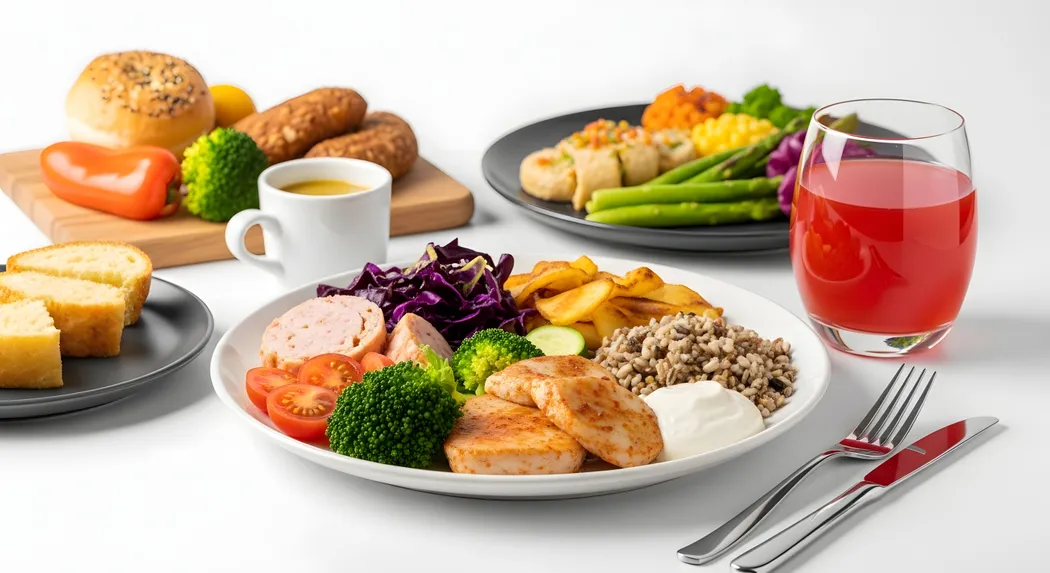
Best High Protein Low Carb Foods for Weight Loss
 

To successfully stick to your macros, you need to stock your kitchen with the right ingredients. Focusing on high protein low carb foods for weight loss makes hitting your daily goals incredibly easy and delicious.

When you are grocery shopping, look for weight loss high protein low carb foods that are whole, minimally processed, and packed with nutrients.

Here is a helpful list of some of the best low carb high protein foods for weight loss:

  • Lean Meats and Poultry: Skinless chicken breast, turkey breast, and lean cuts of beef or pork.
  • Seafood: Salmon, tuna, shrimp, and cod. Salmon is particularly great because it also provides healthy omega-3 fats.
  • Eggs: A nutritional powerhouse. Eggs provide high-quality protein and essential fats with almost zero carbs.
  • Dairy Products: Greek yogurt and cottage cheese are fantastic high-protein, low-carb foods for weight loss. Just be sure to choose 
    plain, unsweetened varieties to avoid hidden sugars.
  • Plant-Based Options: Tofu, tempeh, and edamame are great for vegetarians and vegans looking to boost protein without overloading on 
    carbs.
     

Creating Weight Loss High Protein Low Carb Meals
 

Knowing what foods to eat is only half the battle; putting them together into satisfying meals is where the real magic happens. By intentionally planning your weight loss high protein low carb meals, you can easily maintain your ideal carb protein fat ratio for weight loss without feeling overwhelmed.

Here is how you can structure your day:

High Protein Low Carb Breakfast for Weight Loss

Starting your day with a high protein low carb breakfast for weight loss sets a positive tone for the rest of the day and prevents mid-
morning sugar cravings.

  • Example 1: A three-egg omelet cooked in a little olive oil, stuffed with spinach, mushrooms, and a sprinkle of feta cheese.
  • Example 2: A bowl of plain, full-fat Greek yogurt topped with a handful of almonds, chia seeds, and a few raspberries.

Power-Packed Lunches

For lunch, focus on lean meats and leafy greens to avoid the dreaded afternoon slump.

  • Example 1: A large mixed green salad topped with grilled chicken breast, half an avocado, and a simple olive oil and vinegar dressing.
  • Example 2: Turkey and cheese roll-ups (using turkey slices instead of a tortilla wrap) paired with a side of celery sticks and almond 
    butter.

Satisfying Dinners

Keep dinner comforting but aligned with your protein carb fat ratio for weight loss.

  • Example 1: Baked salmon served alongside roasted asparagus and zucchini noodles.
  • Example 2: A hearty lean ground beef chili made with diced tomatoes, bell peppers, and spices (skip the beans to keep the carb count lower).

Get Protein Supplements Here

Fine-Tuning Your Macros for Success
 

Remember, the ideal protein carb fat ratio for weight loss is a baseline, not a strict law. Your perfect ratio will depend on your age, gender, activity level, and overall health.

For instance, an athlete or someone who lifts heavy weights 5 days a week might need slightly more carbohydrates to fuel their intense workouts. Conversely, someone with a more sedentary desk job might thrive on a stricter low-carb approach.

The best strategy is to track your food intake for a few weeks using a free macro-tracking app. Pay attention to how you feel, how your clothes fit, and how your energy levels fluctuate. If you feel constantly hungry, try bumping up your protein. If you feel lethargic during workouts, you may need a slight increase in complex carbs.

By building your diet around these essential principles and focusing on whole, nutrient-dense foods, you will create a sustainable, healthy lifestyle that supports long-term weight management.


FAQs

Is it better to count calories or count macros for weight loss?

Counting macros inherently means you are counting calories, but it goes a step further by ensuring the quality of your diet. While you must be in a calorie deficit to lose weight, focusing on your macro ratio ensures you are eating enough protein to preserve muscle and enough healthy fat to stay full, making your diet much easier to stick to.

Can I eat fruit on a low-carb, high-protein diet?

Yes, absolutely! While fruit does contain carbohydrates (natural sugars), it also provides essential fiber, vitamins, and antioxidants. To keep your carbs manageable, opt for lower-carb fruits like berries (strawberries, raspberries, blackberries) or melons, and eat them in moderation alongside a protein source.

How much protein do I really need every day?

While the exact amount varies by individual, a common recommendation for weight loss and muscle maintenance is to consume between 0.7 to 1 gram of protein per pound of your target body weight. If your goal weight is 150 pounds, aiming for 105 to 150 grams of protein daily is a great target.

Are all fats bad for weight loss?

Not at all! Dietary fat does not make you fat; overeating total calories makes you fat. Healthy fats - like those found in avocados, olive oil, nuts, and fatty fish - are vital for your health and help keep you full. Just be mindful of portion sizes, as fats are calorie-dense (9 calories per gram compared to 4 calories per gram in protein and carbs).

What happens if my macro ratio is slightly off on some days?

Nothing bad will happen! Consistency is far more important than perfection. If you eat a few more carbs or a little less protein on a given day, it will not ruin your progress. Simply aim to get back to your ideal target ratio with your next meal or the following day.

Apollo 247 Floating Action Button