0

Jaiphal for Baby Cough: Benefits & Safety Guide

Learn how jaiphal (nutmeg) may help ease baby cough, its traditional uses, safety precautions, and when to avoid it. Discover safe remedies to keep your baby comfortable.
 

article image

Apollo Pharmacy

Hearing your baby cough can be worrying, especially when it affects their sleep and comfort. It is natural to look for gentle and safe ways to ease their symptoms. Since over-the-counter cold medicines are not recommended for young children, many parents explore traditional home remedies.

One such remedy often used in Indian households is jaiphal, or nutmeg. It has been used in traditional practices for generations and is believed to have soothing properties. However, when it comes to babies, it is important to approach such remedies with care and proper understanding.

In this guide, we will look at the potential benefits of jaiphal, how it is traditionally used, and the precautions you should keep in mind to ensure your baby’s safety.
 

Why Do Babies Cough?

Before trying any remedy, it helps to understand why your baby is coughing in the first place. A cough is not an illness on its own. It is the body’s natural way of clearing the airways.

When a baby develops a common cold or a mild viral infection, their body produces extra mucus. Coughing helps move this mucus out of the airways, preventing it from settling in the lungs and causing further discomfort.

Young children tend to catch colds more often because their immune systems are still developing. It is quite common for babies and toddlers to experience multiple colds in a year.

Because of this, treatment usually focuses on comfort rather than stopping the cough completely. In fact, most guidelines advise against using over-the-counter cough medicines in very young children due to possible side effects. This is why many parents consider gentle, traditional options like jaiphal, while still being mindful of safety.

The Benefits of Jaiphal (Nutmeg) for Baby Cough

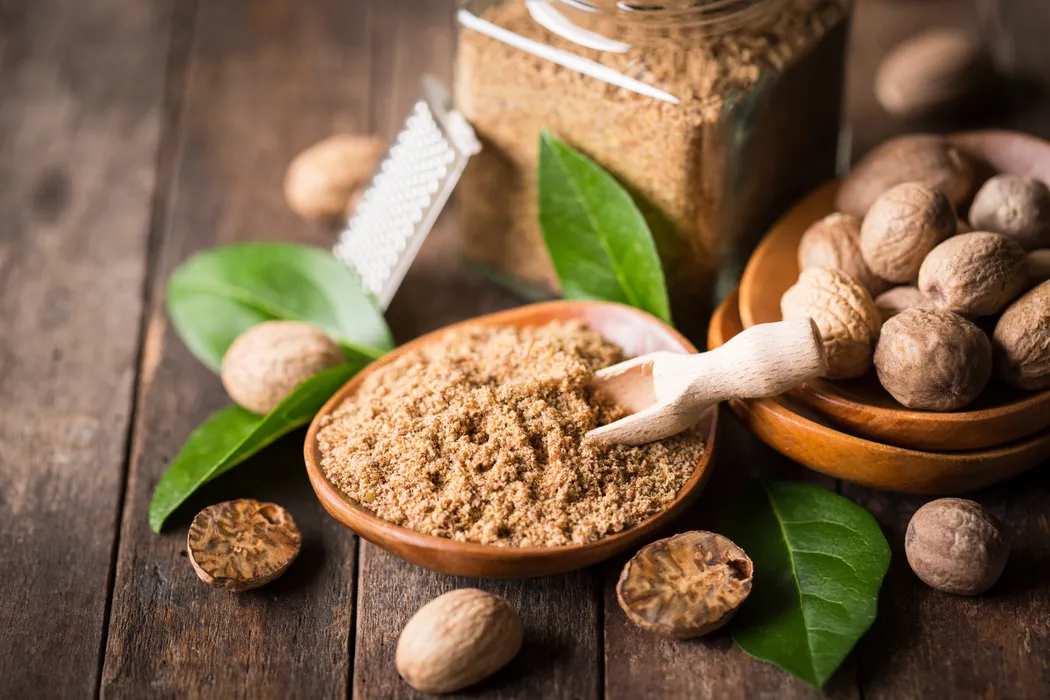
Jaiphal, commonly known as nutmeg, is a spice derived from the seed of the Myristica fragrans tree. Commonly used in Indian cooking, it is known for its warm, slightly sweet flavour. In traditional practices, jaiphal has also been valued for its natural compounds, including essential oils and antioxidants, which are believed to provide soothing and warming effects.

When used carefully and in very small amounts, jaiphal is sometimes used as a supportive home remedy for easing mild cough and congestion in babies. While modern clinical evidence in infants is limited, its traditional use and natural composition suggest a few potential benefits:

  • Natural warming effect: Jaiphal is considered a “warming” ingredient in traditional systems like Ayurveda. When applied externally, it may create a gentle warmth on the chest, which can help ease mild congestion and make breathing feel more comfortable.
  • Anti-inflammatory properties: Nutmeg contains compounds such as sabinene and pinene, which are known for their anti-inflammatory effects. These may help reduce mild irritation or swelling in the respiratory passages during a cold.
  • Calming effect: Babies with cough often become restless, especially at night. The mild aroma and soothing application of jaiphal may help promote relaxation, making it easier for the baby to settle and sleep.
  • Antimicrobial potential: The essential oils present in jaiphal are believed to have antibacterial and antiviral properties. Traditionally, this has made it a commonly used ingredient during seasonal coughs and colds.

It is important to remember that jaiphal is not a substitute for medical treatment, but may be used cautiously as a supportive measure alongside proper care and guidance.
 

How to Safely Use Jaiphal for Baby Cough?

A baby’s skin and digestive system are very sensitive, so jaiphal must be used with great care. It is always best to consult your paediatrician before trying any home remedy, especially for babies under 6 months of age. The safest approach is external application, as giving nutmeg orally to infants is not recommended and may be harmful in higher amounts.

1. Jaiphal Chest and Foot Rub (External Use – Recommended)

This method allows your baby to benefit from the mild warmth and soothing aroma of jaiphal without the risks linked to ingestion. Use only a very small amount and apply it gently to avoid irritation.

How to prepare and apply:

  1. Take a whole nutmeg seed and a clean grinding surface such as a stone slab.
  2. Add a few drops of lukewarm water or warm breast milk to the surface.
  3. Gently rub the nutmeg in a circular motion 3 to 4 times to form a very light paste.
  4. Collect a tiny amount of this paste on your fingertip.
  5. Apply it gently to your baby’s chest, the bridge of the nose while avoiding the eye area, and the soles of the feet.
  6. Put soft socks on your baby’s feet to keep them warm and prevent accidental contact with the mouth.

Always observe your baby after application. If you notice any redness, irritation, or discomfort, stop using it and consult your doctor.

2. Jaiphal Scented Steam

If you prefer not to apply jaiphal directly to your baby’s skin, you can use its mild aroma along with steam to help ease nasal congestion. This method focuses on gentle inhalation rather than direct contact.

How to use it:

  1. Boil a pot of water and place it safely on a stable surface.
  2. Add a very small pinch of freshly grated jaiphal to the hot water.
  3. Sit with your baby at a safe distance from the pot, ensuring it is completely out of reach.
  4. Allow your baby to breathe in the warm, mildly spiced steam for about 5 to 10 minutes.

Make sure the steam is not too strong or too close to your baby, as their skin and airways are very sensitive. The goal is gentle exposure, not direct steaming.

Important Safety Note on Internal Use

Jaiphal should not be given orally to babies. Although some traditional practices suggest mixing a tiny amount with milk, modern paediatric guidance advises against this. A baby’s digestive system and liver are still developing, and even small quantities of spices may cause irritation, allergic reactions, or toxicity.

It is also important to avoid mixing jaiphal with honey for infants under 12 months, as honey carries a risk of infant botulism.

When in doubt, it is always safest to stick to external methods and consult your paediatrician before trying any remedy.
 

Load more products

Important Safety Precautions and Side Effects

While jaiphal is natural, it is also quite potent. When using any home remedy for a baby, it is important to be cautious and mindful of possible risks.

Here are some key safety points to keep in mind:

  • Risk of toxicity: Nutmeg contains a compound called myristicin. In larger amounts, this can be harmful and may lead to symptoms such as nausea, vomiting, restlessness, or a rapid heartbeat. For babies, even small excess amounts can be risky, which is why external use is preferred and oral use should be avoided unless advised by a doctor.
  • Skin irritation: A baby’s skin is very delicate and can react easily. Before applying jaiphal paste more widely, it helps to do a small patch test. Apply a tiny amount on the ankle or foot and wait for some time to check for redness or irritation.
  • Age considerations: It is generally best to avoid introducing herbs or spices to babies under 6 months of age. For younger infants, sticking to breast milk or formula and simple remedies recommended by a paediatrician is safer.
  • Avoid contact with eyes and mouth: When applying jaiphal externally, make sure your baby cannot accidentally rub it into their eyes or mouth. Using a very small amount and covering the feet with socks can help reduce this risk.

Using jaiphal in a careful and limited way may help provide comfort, but safety should always come first. If you are unsure, it is best to consult your paediatrician before use.
 

When to See a Doctor?

Home remedies like jaiphal may only be considered for mild, common colds. However, a cough can sometimes point to a more serious condition, and it is important to recognise when medical attention is needed.

You should seek immediate care if your baby shows any of the following signs:

  • Breathing difficulties: Rapid breathing, nostrils flaring, or the skin pulling in around the ribs while breathing
  • Discolouration: Lips, face, or tongue appearing bluish or unusually pale
  • High fever: Any fever in a baby under 3 months, or a fever that lasts more than 3 days in older infants
  • Signs of dehydration: Fewer wet diapers than usual, no tears while crying, or unusual sleepiness and low energy
  • Persistent or unusual cough: A cough lasting more than 10 to 14 days, or one that sounds harsh, like barking, or includes a “whooping” sound

If you are unsure or feel something is not right, it is always safer to consult your paediatrician. Early evaluation may help prevent complications and ensure your baby receives the right care.

Alternative Evidence-Based Remedies for Baby Cough

If you prefer not to use jaiphal, or want to combine it with more widely recommended approaches, there are several safe and effective options that may help ease your baby’s discomfort.

Here are some commonly suggested remedies:

  • Saline drops and suction: Using saline nasal drops may help loosen thick mucus in your baby’s nose. This can be followed by gentle suction with a bulb syringe to clear the airways and make breathing easier, especially before feeds and sleep.
  • Cool mist humidifier: Adding moisture to the air with a cool mist humidifier may help soothe irritated airways and reduce congestion. Keeping the air slightly humid can make it easier for your baby to breathe comfortably.
  • Hydration: Ensuring your baby stays well hydrated is important. For babies under 6 months, offer breast milk or formula more frequently. For older babies, small sips of water may also help. Adequate fluids can help thin mucus, making it easier to clear.

These methods are generally considered safe when used correctly and may provide gentle relief while your baby recovers.

Explore Paediatric Cough Medicine Here

Load more products
Load more products

Conclusion

Using jaiphal for baby cough is a traditional remedy that many families are familiar with, but it should always be approached with care. While its mild warming and soothing properties may offer some comfort when used externally, it is not a substitute for proper medical care.Using jaiphal for baby cough is a traditional remedy that many families are familiar with, but it should always be approached with care. While its mild warming and soothing properties may offer some comfort when used externally, it is not a substitute for proper medical care.Using jaiphal for baby cough is a traditional remedy that many families are familiar with, but it should always be approached with care. While its mild warming and soothing properties may offer some comfort when used externally, it is not a substitute for proper medical care.

The most important focus should be on keeping your baby comfortable, well hydrated, and closely monitored. Gentle, evidence-based methods like saline drops, humidified air, and regular feeds often provide safe and effective relief.

If you choose to use jaiphal, do so sparingly, only for external use, and with your paediatrician’s guidance. Most importantly, trust your instincts. If your baby’s symptoms seem unusual or worsen, seeking timely medical advice is always the safest step.
 

FAQS 

Can I give jaiphal to a newborn baby?

No. It is best to avoid using jaiphal or any other home remedies on newborns, especially in the first few months. Their skin and digestive system are very sensitive. If your newborn has a cough, it is safer to consult a paediatrician for guidance.

Is it safe to mix jaiphal with honey for my baby's cough?

No. Honey should never be given to babies under 12 months of age. It carries a risk of infant botulism, which can be serious. This applies whether honey is used alone or mixed with jaiphal.

How much jaiphal is safe to use for a baby?

If used externally, only a very small amount is needed. Lightly rubbing the nutmeg on a wet surface a few times provides enough paste. Using larger quantities is not recommended, as even small excess amounts may cause irritation or other effects.

Can jaiphal help my coughing baby sleep better?

Jaiphal is traditionally believed to have mild calming properties. When used as a gentle external application, it may help your baby feel more relaxed and slightly ease discomfort. However, it should not be relied on as a sleep aid.

What happens if I use too much jaiphal on my baby?

Using too much jaiphal may lead to side effects due to its active compounds. These may include skin irritation, unusual sleepiness, or discomfort. In more serious cases, excessive exposure may cause symptoms such as a rapid heartbeat or digestive upset. Always use only minimal amounts and avoid repeated or heavy application.

Apollo 247 Floating Action Button