With a new baby coming into your family, it brings immense joy, along with a host of cultural traditions passed down through generations. In many South Asian, Middle Eastern, and North African cultures, applying kohl, surma, or kajal to a baby’s eyes is a time-honoured practice. Grandmothers and older relatives often recommend it, believing it wards off the "evil eye," soothes the baby, and helps their eyes grow large and bright. But as modern parents, you naturally want to ensure that every practice is completely safe for your little one. If you are researching kajal for a newborn baby, you are in the right place. Navigating the balance between beautiful family traditions and modern medical science can be tricky. In this comprehensive guide, we will explore the medical consensus on infant eye care, uncover the hidden risks of traditional cosmetics, and answer the important questions you have about keeping your baby’s delicate eyes safe and healthy.
In this article
- Is Kajal Good for a newborn baby? Understanding the Risks
- Can I Apply Kajal to a New Born Baby? What Paediatricians Say
- Store-Bought vs. Homemade: The Truth About Newborn Kajal
- Best Kajal for Newborn Baby (If You Must Use It)
- Newborn Baby Kajal Design for Safe Cultural Practices
- Essential Tips for Infant Eye Care
- Conclusion
Kajal for Newborn Baby: Is It Safe? Best Options & Tips
Learn whether kajal for newborn babies is safe. Discover paediatrician advice, potential risks, safe cultural alternatives, and essential tips for protecting your baby’s delicate eyes.
Dr. Ezhilrasan
Is Kajal Good for a newborn baby? Understanding the Risks
When parents ask, "Is Kajal good for a newborn baby?" medical professionals are usually quick to offer a definitive answer: No, it is not recommended to put anything inside a baby's eyes. While the tradition comes from a place of love and protection, scientific research shows that applying kajal to a baby’s waterline poses several significant health risks:
- Lead Poisoning Risk: Many commercial and traditional forms of kohl, surma, and kajal contain a mineral called galena, which is heavily composed of lead sulfide. According to the Centres for Disease Control and Prevention (CDC) and the World Health Organisation (WHO), there is no safe level of lead exposure for children. Lead can be absorbed through the delicate eye tissues or ingested when the baby rubs their eyes and puts their fingers in their mouth. High lead levels can severely affect a child's brain development, nervous system, and kidneys.
- Risk of Eye Infections: A newborn baby has incredibly sensitive eyes and a developing immune system. When you apply kajal, you must use your finger or a specialised applicator. Even with washed hands, microscopic bacteria and dirt can easily be transferred into the baby's eye, leading to painful infections like conjunctivitis (pink eye).
- Blocked Tear Ducts: Babies have very narrow tear ducts. The thick, waxy, or powdery texture of kajal can easily clog these tiny ducts. A blocked tear duct can cause watery eyes, redness, and sticky discharge, often requiring medical intervention to clear up.
- Corneal Abrasions: If the kajal contains tiny, coarse particles, or if the baby violently rubs their eyes after application because of irritation, it can scratch their cornea.
So, is Kajal good for a newborn baby from a medical standpoint? The clear consensus from paediatricians is that the risks far outweigh any perceived cosmetic or traditional benefits.
Can I Apply Kajal to a New Born Baby? What Paediatricians Say
A common question in pediatric clinics is: "Can I apply kajal on a newborn baby if it is completely natural?" The short answer is still no, at least not inside the eye. Even if you are certain that your kajal is 100% free of lead and harmful chemicals, the physical act of putting a foreign substance on a baby's waterline is unsafe. Paediatricians warn against this because the eye's natural defense mechanisms are not fully developed in infants. The eyes clean themselves naturally through tears. Introducing a thick paste made of soot (even organic soot from almonds or ghee) disrupts this natural cleaning process.
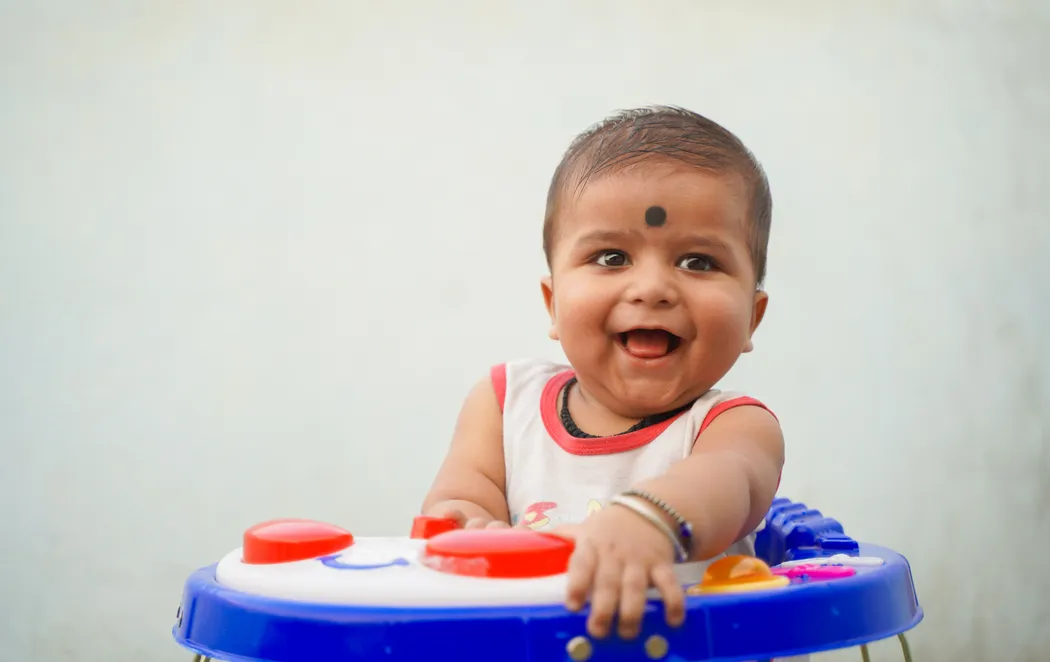
Furthermore, camphor, a common ingredient added to traditional kajal for a "cooling" effect, can be highly irritating to an infant's sensitive ocular tissues. If you are wondering, "Can I apply kajal on a newborn baby safely in any way?" the answer lies in where you apply it, rather than what you apply. If you want to honour your family's traditions and ward off the evil eye, it is much safer to apply a small dot of safe, organic kajal on the baby's skin (like the forehead), far away from the eyes.
Store-Bought vs. Homemade: The Truth About Newborn Kajal
Many parents mistakenly believe that only store-bought cosmetics are dangerous, assuming that homemade newborn kajal is completely safe. Let's break down the differences:
1. Store-Bought Commercial Kajal
Commercial surma and kajal imported from unregulated markets frequently test positive for high levels of heavy metals. Because cosmetics do not always go through the same rigorous FDA approvals as medications, dangerous ingredients can slip through. You should strictly avoid putting commercial kajal anywhere near your baby.
2. Homemade Kajal (The Almond/Ghee Method)
Traditionally, grandmothers make newborn kajal at home by burning a pure almond over a flame of clarified butter (ghee) or castor oil, collecting the soot on a silver spoon, and mixing it into a paste.
While this eliminates the risk of lead toxicity, it is still not safe for the inside of the eye. The soot is essentially carbon. Introducing carbon particles into a baby’s eye can cause severe irritation, redness, and tearing.


Best Kajal for Newborn Baby (If You Must Use It)
If traditional practices are deeply important to your family and you want to participate safely, you must be extremely selective about the products you use. The best kajal for a newborn baby is one that is never placed inside the eye, but used solely for external skin markings. When choosing a product for the skin, look for:
- Lead-Free Certification: Ensure the product explicitly states it is heavy-metal-free and tested by third-party laboratories.
- Organic Ingredients: The best kajal for newborn baby external use will be made from 100% organic, natural ingredients like organic ghee, almond oil, and natural botanical soot, without any synthetic dyes or camphor.
- Paediatrician Approved: Some modern organic baby brands have developed skin-safe "nazar" pastes (evil eye pastes) specifically formulated to be gentle on an infant's skin. Remember, even the highest-quality organic kajal should be reserved for the skin and kept strictly away from the lash line and waterline.
Newborn Baby Kajal Design for Safe Cultural Practices
You can beautifully uphold cultural traditions without compromising your baby’s health. Instead of applying makeup to the eyes, parents today are opting for a safe newborn baby kajal design applied to the skin.
Here are some popular and safe ways to apply a newborn baby kajal design:
The Forehead Dot
A small, delicate dot placed on the baby's forehead (often near the hairline or between the eyebrows) is the most common way to ward off the evil eye.
Behind the Ear
Placing a small smudge of organic kajal behind the earlobe is discreet, keeps the product out of the baby's reach, and satisfies traditional requirements.
The Sole
Applying a tiny dot on the bottom of the baby's foot is another incredibly safe newborn baby kajal design. It is completely out of reach of the baby's hands, ensuring they won't accidentally rub it into their eyes or mouth.
When applying these designs, always use a clean cotton swab rather than your finger, and wash the mark off during bath time with a gentle baby wash to prevent clogged pores.
Essential Tips for Infant Eye Care
Since applying kajal for new born baby inside the eyes is unsafe, how should you care for your baby's eyes to keep them bright and healthy?
1. Use Water Only
The best way to clean a newborn’s eyes is with cooled, boiled water. Dip a sterile cotton ball into the water, squeeze out the excess, and gently wipe the eye from the inner corner (near the nose) to the outer corner.
2. Use a Fresh Cotton Ball
Always use a new cotton ball for each eye to prevent transferring any potential bacteria from one eye to the other.
3. Monitor for Infections
It is normal for babies to have a little bit of clear or slightly whitish sleep crust in the corners of their eyes. However, if you notice excessive yellow or green discharge, redness in the whites of the eyes, or swollen eyelids, contact your paediatrician immediately.
4. Nutrition Matters
A baby's eye health and size are determined entirely by genetics and nutrition. Breast milk or infant formula provides all the necessary vitamins (like Vitamin A) to ensure your baby’s eyes develop perfectly. No cosmetic can physically alter the size or shape of a baby's eyes.
Conclusion
The tradition of applying kajal to newborn babies has been followed for generations in many cultures, often with the belief that it protects the baby from the evil eye and enhances the beauty of their eyes. However, modern medical research and pediatric guidelines clearly advise against applying kajal inside a newborn’s eyes. The potential risks, including lead exposure, eye infections, blocked tear ducts, and irritation, far outweigh any cultural or cosmetic benefits. For parents who wish to respect traditional practices, safer alternatives exist. Instead of applying kajal to the eyes, a small dot on the forehead, behind the ear, or on the sole can honour the tradition without compromising your baby’s health. Always ensure the product used is free from harmful chemicals and applied with clean tools. Ultimately, the best way to care for your newborn’s eyes is through simple hygiene, proper nutrition, and regular pediatric check-ups. A baby’s eye health, shape, and brightness are determined by genetics and overall well-being, not cosmetics. By prioritising safety while thoughtfully adapting traditions, parents can ensure their little one grows up healthy, comfortable, and protected.
FAQS
FAQS
Can I use hair oil on my newborn every day?
It is not necessary to oil a newborn's hair every day. Applying oil 1 to 2 times a week before a bath is usually enough to keep their scalp moisturised and healthy. Over-oiling without washing it out can lead to clogged pores.
When should I start oiling my newborn's hair?
You can safely begin using a gentle, pure oil on your baby's scalp a few weeks after birth, provided their skin is healthy, and you have performed a patch test. If your baby was premature or has a diagnosed skin condition, consult your paediatrician first.
How do I get rid of cradle cap?
To treat cradle cap, massage a few drops of pure coconut or sunflower oil into the baby's scalp. Let it sit for 15–20 minutes to soften the crusty patches. Then, gently comb or brush the flakes away with a soft baby brush, and wash the scalp with a mild baby shampoo.
Is coconut oil safe as a newborn hair oil?
Yes, pure virgin coconut oil is widely considered one of the safest and best oils for a newborn. It is natural, highly moisturising, and contains mild antibacterial properties that protect the scalp.
Do I need to wash the oil out of my baby's hair?
Yes, it is highly recommended to wash the oil out with a gentle baby shampoo. Leaving oil on the scalp for prolonged periods can trap dead skin cells and natural oils, which may actually worsen conditions like cradle cap.


