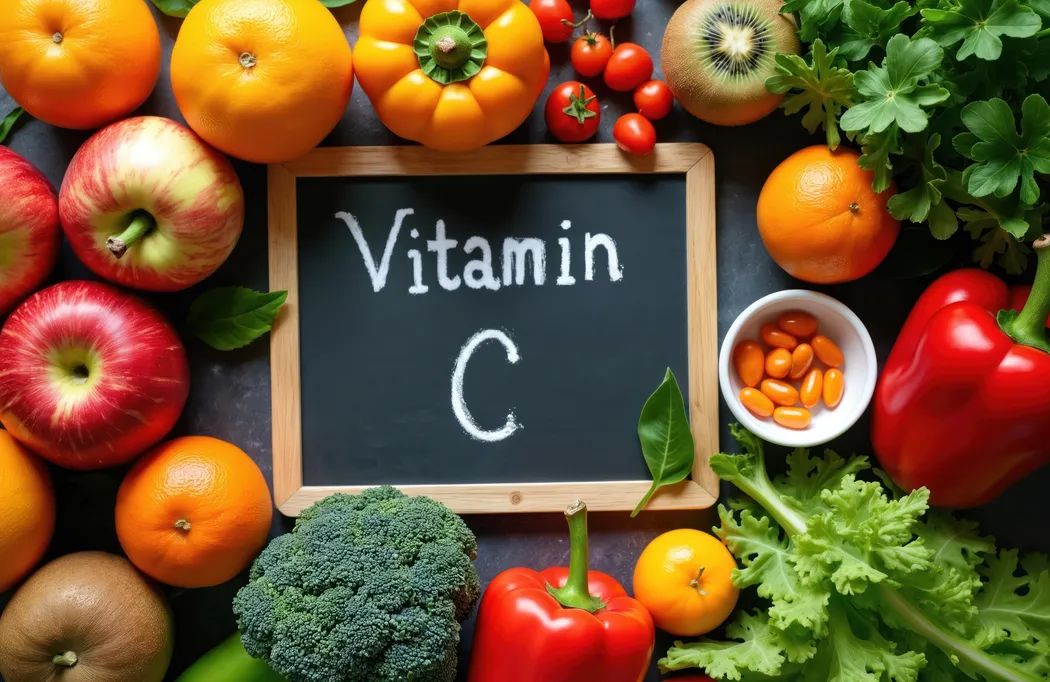
While oranges are commonly associated with high Vitamin C content, it's important to explore other lesser-known fruits that offer even greater benefits. In fact, India is home to a variety of fruits that are rich in vitamin C and can be easily incorporated into our daily diet. These fruits not only rival the orange in vitamin C content but also bring a burst of unique flavours, vibrant colours, and a whole array of health perks to your table. By incorporating these fruits into your diet, you can boost your immune system, support overall health, and enjoy delicious flavours. In this blog, we will go beyond oranges and explore the wonderful world of vitamin C fruits!
In this article
- What are the Benefits of Vitamin C?
- Vitamin C-rich Fruits that are Lesser Known
- Conclusion
Vitamin C–Rich Fruits Beyond Oranges
Discover lesser-known vitamin C–rich fruits beyond oranges. Boost immunity and overall health with amla, guava, papaya, kiwi, and more.
Apollo Pharmacy
What are the Benefits of Vitamin C?
What are the Benefits of Vitamin C?
Vitamin C, also known as ascorbic acid, is a water-soluble vitamin that is essential for the proper functioning of the human body. Some of its benefits are:
- Immune Function: Vitamin C strengthens our immune system by enhancing the production and function of white blood cells, which help fight off infections and illnesses.
- Collagen Production: Collagen is a protein that keeps our skin firm and helps heal wounds. Vitamin C is essential for the production of collagen, promoting healthy skin and preventing premature ageing. Moreover, it promotes healthy hair growth and strengthens hair follicles.
- Antioxidant Activity: As an antioxidant, vitamin C protects our cells from damage caused by free radicals. It neutralises harmful substances and reduces the risk of chronic diseases like heart disease and cancer.
- Common Illness Prevention: Regular intake of vitamin C can reduce the severity and duration of common illnesses like colds and flu. It also helps prevent respiratory infections.
Vitamin C-rich Fruits that are Lesser Known
Vitamin C-rich Fruits that are Lesser Known
While most of us are familiar with the popular sources of vitamin C like oranges and lemons, several other fruits are equally rich in this essential nutrient. Let's explore some of these vitamin C fruits!
1. Indian Gooseberry (Amla)
Indian Gooseberry, also known as Amla, is a lesser-known fruit that is packed with Vitamin C. Amla has been an integral part of Ayurveda for centuries due to its numerous health benefits.
It is also abundant in antioxidants, which help in combating free radicals and reducing oxidative stress.
Vitamin C Content
When compared to oranges, Amla contains about 20 times more Vitamin C. This makes it a perfect choice for boosting immunity and warding off infections.
Benefits of Amla
- Amla aids in digestion by promoting the production of digestive enzymes and regulating bowel movements, thus preventing constipation.
- Apart from being a rich source of Vitamin C, Amla also contains essential minerals like calcium, phosphorus and iron.
- Additionally, Amla is known to improve hair health by preventing premature greying and promoting hair growth.
2. Kiwifruit
Kiwifruit, often overshadowed by its popular cousin, the orange, is a powerhouse when it comes to vitamin C. It is native to China, where it was known as the "Chinese gooseberry" due to its resemblance to gooseberries.
Vitamin C Content
One medium-sized kiwifruit contains approximately 64 milligrams of vitamin C, which is more than the recommended daily intake for adults.
Benefits of Kiwifruit
- Kiwifruit is an excellent source of dietary fibre, which aids in digestion and helps maintain a healthy gut.
- It is rich in antioxidants that protect against cellular damage caused by free radicals.
- Additionally, kiwifruit is low in calories and packed with essential nutrients like potassium and vitamin E.
3. Papaya
Papaya is rich in vitamin A, vitamin E, and vitamin K, as well as minerals like potassium and magnesium. Moreover, it contains a significant amount of vitamin C.
Vitamin C Content
Papaya contains nearly twice as much vitamin C as oranges. Just one cup of papaya provides about 144% of the daily recommended intake of vitamin C, whereas a cup of orange segments provides around 85%. This makes papaya an excellent choice for meeting your daily vitamin C needs.
Benefits of Papaya
- Papaya is rich in fibre, which aids in digestion and promotes a healthy gut. The enzyme called papain found in papaya helps break down proteins and can alleviate digestive issues like bloating and constipation.
- Papaya also has properties that benefit your skin health. It contains antioxidants that fight free radicals and protect your skin from damage caused by sun exposure and ageing.
- Additionally, papaya has anti-inflammatory effects, which can help reduce inflammation in the body.
4. Guava
Guava, with its vibrant green colour and unique tropical flavour, is a delicious and healthy addition to your diet. It is known for its high vitamin C content, which is essential for boosting your immune system and protecting against common illnesses.
Vitamin C Content
While oranges are commonly associated with vitamin C, guava contains four times more of this essential nutrient. Just 100 grams of guava provides 228 milligrams of vitamin C, which is more than double the recommended daily intake for adults.
Benefits of Guava
- Guava promotes heart health by reducing bad cholesterol levels, preventing the oxidation of LDL cholesterol, and improving blood pressure control.
- For weight management, guava can be a valuable ally as it is low in calories and high in fibre, making you feel fuller for longer.
5. Strawberries
Strawberries are known for their bright red colour, although some varieties can be yellow or even white. They belong to the Fragaria genus and are a member of the rose family (Rosaceae).
Vitamin C Content
On average, a 100-gram serving of strawberries typically contains approximately 58.8 milligrams of vitamin C.
Benefits of Strawberry
- The potassium and dietary fibre in strawberries contribute to heart health. Potassium helps regulate blood pressure, while dietary fibre can help lower cholesterol levels and reduce the risk of heart disease.
- The compounds in strawberries, such as quercetin and anthocyanins, have anti-inflammatory properties.
- Strawberries have a high water content, which can help with overall hydration and contribute to healthy skin.
6. Pineapple
Pineapple, with its sweet and tangy taste, is a tropical fruit that is often overlooked when it comes to discussing Vitamin C fruits. Papaya is believed to have originated in southern Mexico and Central America. It is now grown in many tropical and subtropical regions around the world, including parts of Asia, Africa, and the Americas.
Vitamin C Content
While oranges are commonly associated with high levels of Vitamin C, pineapple is not far behind. One serving of pineapple contains approximately 79 milligrams of Vitamin C, which is more than the recommended daily intake for adults.
Benefits of Pineapple
Pineapple contains an enzyme called bromelain, which aids in digestion by breaking down proteins. This enzyme can help alleviate symptoms of indigestion and reduce bloating. Additionally, bromelain has been shown to have anti-inflammatory properties, making pineapple beneficial in reducing inflammation in the body.
Not only does pineapple support digestive health, but it also boosts the immune system. The high levels of Vitamin C found in pineapple help stimulate the production of white blood cells, enhancing the body's ability to fight off infections and diseases.
Conclusion
Conclusion
In conclusion, while oranges are a popular choice for vitamin C, there are many other lesser-known fruits available in India that can provide you with even more of this essential nutrient. By exploring and incorporating these Vitamin C fruits into your daily diet, you can ensure optimal health and support your immune system. So, the next time you reach for a vitamin C-rich snack, consider going beyond oranges and embracing the delicious diversity of fruits that nature has to offer.
FAQs
FAQs
Are there any risks associated with consuming too much Vitamin C?
Excessive intake of Vitamin C through supplements may cause digestive upset and diarrhoea in some individuals. However, it is unlikely to occur from consuming Vitamin C-rich foods alone.
How does Vitamin C benefit our health?
Vitamin C plays a crucial role in supporting our immune system, promoting the growth and repair of tissues, aiding in the absorption of iron, and acting as a powerful antioxidant.
How much Vitamin C should we consume daily?
The recommended dietary allowance (RDA) for Vitamin C varies depending on age and gender. For most adults, the RDA is around 75-90 mg per day. However, some individuals may require higher doses due to certain health conditions or lifestyle factors.
Can Vitamin C help prevent colds and flu?
While Vitamin C is commonly associated with immune support, scientific evidence regarding its effectiveness in preventing colds and flu is mixed. While it may not necessarily prevent these illnesses, maintaining optimal Vitamin C levels can help support overall immune function.
Are there any lifestyle factors that may affect vitamin C levels in the body?
Yes, certain lifestyle factors can deplete vitamin C levels in the body. Smoking, exposure to pollution, stress, and excessive alcohol consumption can all reduce the amount of vitamin C available for use by the body.


