0

Low Calorie Vegetarian Food for Weight Loss

Discover the best low calorie vegetarian foods for weight loss, including meal ideas, food lists, and tips to stay full while reducing calories.
 

article image

Dr. Ezhilrasan

Are you trying to shed a few pounds while following a plant-based diet? You are in the right place. Losing weight does not mean you have to starve, eat bland meals, or spend hours preparing complicated dishes. In fact, choosing the right low calorie vegetarian food for weight loss can be one of the most effective and enjoyable ways to achieve your health goals.

Plant-based diets are naturally rich in vitamins, minerals, and dietary fibre. This allows you to eat a greater volume of food while consuming fewer calories, helping you stay full and satisfied throughout the day. Whether you have always followed a vegetarian lifestyle or are simply looking to include more meat-free meals in your routine, this guide will help you identify the best options for sustainable weight management.
 

Why Choose Low Calorie Food for Weight Loss Vegetarian Style?
 

The fundamental principle of weight loss is simple: you need to consume fewer calories than your body burns. However, the way you create that calorie deficit makes a significant difference. Relying on small portions of highly processed foods often leaves you feeling hungry and unsatisfied.

This is where a plant-based approach becomes particularly effective. By focusing on low calorie vegetarian foods, you can benefit from a concept known as “volume eating”. This approach allows you to fill your plate with foods that are naturally high in water and fibre, making them more filling without adding excessive calories.

Fibre plays a key role here. It slows digestion, helps stabilise blood sugar levels, and keeps you feeling fuller for longer. As a result, you may find it easier to manage portion sizes and reduce unnecessary snacking.

Choosing the right low calorie foods for weight loss vegetarian style not only supports fat loss but also provides essential nutrients and antioxidants that contribute to overall health. Over time, this balanced approach may help you maintain both your weight and your well-being more comfortably.
 

The Ultimate Low Calorie Food List for Weight Loss Vegetarian
 

To build a successful diet, it helps to stock your kitchen with the right ingredients. A well-planned low calorie vegetarian food list allows you to create filling, nutrient-dense meals without exceeding your daily calorie needs. Here are some of the best staples to include:

1. Non-Starchy Vegetables

Vegetables should form a large portion of your meals. They are naturally low in calories yet rich in essential nutrients.

  • Leafy Greens: Spinach, kale, rocket, and Swiss chard are excellent choices. A full cup of raw spinach contains fewer than 10 calories, 
    making it ideal for salads and smoothies.
  • Cruciferous Vegetables: Broccoli, cauliflower, Brussels sprouts, and cabbage are particularly filling due to their fibre content. They may help support digestion and keep you satisfied for longer.
  • Water-Rich Vegetables: Zucchini, cucumber, celery, and peppers add volume to meals without significantly increasing calories. They also make convenient, refreshing snacks.

2. Low-Sugar Fruits

Fruits offer natural sweetness along with vitamins and fibre, making them a smart addition to a weight loss plan.

  • Berries: Strawberries, blueberries, and raspberries are among the lowest-calorie fruits and are rich in fibre.
  • Melons: Watermelon and cantaloupe are mostly water, making them hydrating and light options.
  • Citrus Fruits and Apples: Oranges, grapefruit, and apples provide soluble fibre such as pectin, which may help slow digestion and improve satiety.

3. Lean Plant Proteins

Protein plays an important role in preserving muscle mass and reducing hunger during weight loss.

  • Tofu and Tempeh: These soy-based options are versatile, relatively low in carbohydrates, and high in protein.
  • Legumes: Lentils, chickpeas, and black beans offer a combination of protein and complex carbohydrates, making them both filling and nutritious.
  • Edamame: These young soybeans are a convenient, protein-rich snack that can be enjoyed on their own or added to meals.

4. Whole Grains

Replacing refined carbohydrates with whole grains can help maintain steady energy levels throughout the day.

  • Oats: Oatmeal absorbs water and expands in volume, creating a filling and satisfying breakfast.
  • Quinoa: A complete plant-based protein that works well in salads, bowls, or as a rice alternative.
  • Brown Rice and Barley: Both are rich in fibre and provide a satisfying texture that supports fullness.

By combining these food groups, you can create balanced meals that are both low in calories and high in nutrition, making it easier to stay consistent with your weight loss goals.

Explore Nutritional Supplements Here
 

Building Low Calorie Meals for Weight Loss Vegetarian Style

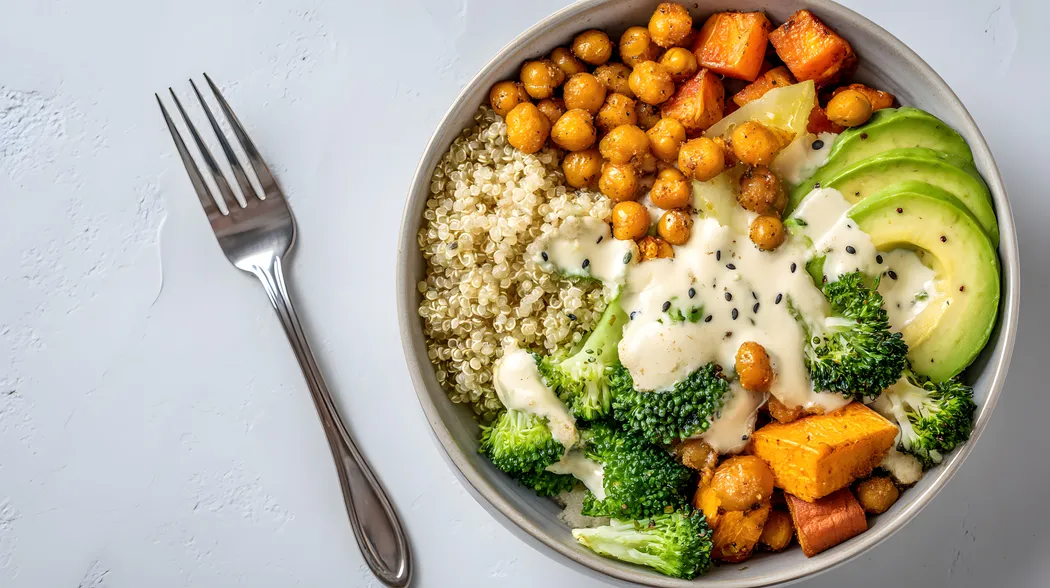
Knowing what to eat is only part of the process; how you combine your foods is what truly determines success. When planning low calorie meals for weight loss vegetarian style, aim for a balanced plate: half non-starchy vegetables, a quarter lean plant protein, and a quarter whole grains or starchy vegetables, finished with a small portion of healthy fats such as nuts or avocado.

Here is how you can structure your day with simple, nourishing options:

Breakfast Ideas: Healthy Vegetarian Meals for Weight Loss

Starting your day with a balanced meal may help stabilise blood sugar levels and reduce mid-morning cravings.

  • Protein-Packed Oatmeal: Prepare rolled oats with water or unsweetened almond milk. Add fresh berries, a pinch of cinnamon, and chia seeds for added fibre and satiety.
  • Tofu Scramble: Crumbled tofu sautéed with spinach, tomatoes, and peppers makes a satisfying, protein-rich alternative to scrambled eggs.
  • Green Smoothie: Blend spinach, half an apple, a scoop of plant-based protein powder, and water. This is a convenient option for busy mornings while still being nutrient-dense.

Lunch Options: Weight Loss Meals Vegetarian

A well-balanced lunch should keep you energised without leaving you feeling sluggish.

  • Kale and Chickpea Salad: Combine kale with lemon juice, cucumber, cherry tomatoes, and roasted chickpeas. A light tahini dressing adds flavour without excess calories.
  • Vegetable and Lentil Soup: Broth-based soups are filling yet light. Lentils provide protein, while vegetables add fibre and volume.
  • Lettuce Wraps: Use crisp lettuce leaves instead of tortillas and fill them with black beans, corn, salsa, and a small amount of avocado for a refreshing, low-calorie meal.

Dinner Ideas: Meals for Weight Loss Vegetarian

Evening meals should be satisfying but not overly heavy, helping to reduce late-night snacking.

  • Cauliflower Rice Stir-Fry: Replace regular rice with grated cauliflower and sauté with vegetables like broccoli, peas, and edamame for a lighter alternative.
  • Zucchini Noodles with Marinara: Spiralised zucchini topped with a simple tomato sauce and plant-based protein options such as lentil or 
    vegetable-based patties.
  • Stuffed Peppers: Fill peppers with quinoa, beans, and vegetables, then bake until tender. These provide a balanced combination of fibre, protein, and flavour in a controlled portion.

By combining these simple meal ideas with the right proportions, you can create satisfying dishes that support weight loss while still being enjoyable and easy to maintain.
 

Tips for Creating Healthy Meals for Weight Loss Vegetarian

To make your low calorie vegetarian diet both effective and sustainable, a few simple habits can make a meaningful difference:

1. Watch Your Cooking Oils

Even healthy oils such as olive oil are calorie-dense. A single tablespoon contains around 120 calories. To reduce excess intake, try dry sautéing with a splash of vegetable stock or use a light cooking spray instead.

2. Be Mindful of Nuts and Seeds

Nuts, seeds, and nut butters are highly nutritious but also energy-dense. Keep portions moderate, typically a small handful or about one to two tablespoons, to avoid unintentionally increasing your calorie intake.

3. Prioritise Hydration

Thirst is often mistaken for hunger. Drinking a glass of water before meals may help control appetite and support digestion throughout the day.

4. Batch Cook Your Protein

Preparing staples such as lentils, quinoa, or baked tofu in advance can save time and make it easier to assemble balanced meals during busy days. This helps you stay consistent with your plan.

5. Focus on Whole Foods

Highly processed vegetarian alternatives, such as packaged meat substitutes, can contain excess sodium and hidden calories. Choosing whole foods like beans, legumes, and tofu may provide better nutritional value and support long-term weight management.

By keeping these practical tips in mind, you can create meals that are not only lower in calories but also nourishing, satisfying, and easy to maintain as part of your daily routine.
 

Conclusion

Adopting a low calorie vegetarian approach to weight loss is not about restriction, but about making smarter, more nourishing choices. By focusing on whole, plant-based foods that are naturally rich in fibre and nutrients, you can create meals that are both satisfying and supportive of your goals.

From stocking your kitchen with the right ingredients to building balanced plates and practising mindful habits, every small step contributes to steady, sustainable progress. The key lies in consistency rather than perfection.

When your meals are simple, enjoyable, and aligned with your lifestyle, weight loss becomes easier to maintain. Over time, this approach not only helps you achieve a healthier weight but also supports long-term well-being and energy.

Disclaimer: The information provided in this article is for educational purposes only and is not intended to substitute for professional medical advice, diagnosis, or treatment. Always consult with a physician, registered dietitian, or other qualified health provider before starting any new diet or exercise program.
 

FAQs

Can you lose weight just by eating a vegetarian diet?

Not necessarily. Simply removing meat does not guarantee weight loss. If your diet includes large amounts of cheese, refined carbohydrates, or processed foods, calorie intake can still be high. However, focusing on whole, plant-based foods such as vegetables, fruits, and legumes may help you achieve a healthy calorie deficit.

What are the best low calorie vegetarian foods to keep me full?

Foods that are high in fibre and water tend to be the most filling. Options such as broccoli, apples, oats, lentils, and leafy greens may help you feel satisfied for longer while keeping calorie intake low.

Are carbohydrates bad for vegetarian weight loss?

Carbohydrates are not the problem; the type of carbohydrates matters. Refined options like white bread and sugary snacks may lead to quick hunger. In contrast, complex carbohydrates such as oats, quinoa, beans, and sweet potatoes provide steady energy and support satiety.

How much protein do I need on a vegetarian diet to lose weight?

Protein requirements vary, but a general guideline during weight loss is around 1.2 to 1.6 grams per kilogram of body weight. Including foods like tofu, tempeh, lentils, beans, edamame, and yoghurt (if included in your diet) may help meet your needs.

Is it safe to follow a low-calorie vegetarian diet long-term?

Yes, a well-balanced vegetarian diet can be safe and beneficial over the long term. It is important to include a variety of foods to meet your nutritional needs. Pay attention to nutrients such as Vitamin B12, iron, and omega-3 fatty acids. A gradual weight loss of around 0.5 to 1 kg per week is generally considered safe and sustainable.

Apollo 247 Floating Action Button