Indian food is loved globally for its incredible, rich flavors and comforting spice blends. However, traditional cooking often uses generous amounts of oil or ghee, which significantly increases the hidden calories in every meal. Learning effective low oil Indian cooking methods is a powerful move towards better heart health and easier weight management. The exciting truth is that you can successfully reduce oil Indian recipes without losing the delicious, authentic taste you cherish. This guide offers simple, practical tips that focus on utilizing moisture and spices instead of heavy fat to build flavor. Get ready to transform your kitchen into a healthier space without compromising on taste.
Flavor First, Oil Next: Smart Low-Oil Indian Cooking Tips
Master low oil Indian cooking with simple techniques to cut calories. Learn how to reduce oil Indian recipes without sacrificing authentic flavor.
Apollo Pharmacy
Understanding the Oil Math (Oil Math Explanation)
Oil is extremely calorie-dense, and understanding the numbers motivates you to cut back. Realizing how much you save makes reducing oil your smartest calorie-cutting trick.
- Calorie Density: Nearly all cooking oils, including mustard, groundnut, and refined oils, contain approximately 120 calories in just one tablespoon. That tiny amount holds a surprisingly high number of calories.
- Hidden Calories: Many typical Indian curries or sabzis require 3 to 4 tablespoons of oil for the initial cooking phase. This means a single dish can add a whopping 360 to 480 pure fat calories.
- Small Changes, Big Impact: Simply reducing your oil usage from 3 tablespoons to 1.5 tablespoons saves around 180 calories per serving. This minor change can easily save thousands of calories over the course of a week.
- Measuring is Key: Always use a measuring spoon to control the exact oil quantity instead of pouring directly from the bottle. This accurate habit forms the foundation of smart low oil Indian cooking.
- Non-Stick Surfaces: Using good quality non-stick pans naturally requires far less fat for sautéing and browning ingredients. Investing in proper cookware is an important long-term strategy.
Water, Not Oil: Smart Cooking Methods (Saute/Steam Options)
The primary role of oil is often to soften the onion and tomato base, but water or stock can achieve the same result effectively.
- Water Sautéing Technique: Start cooking your ingredients like onions, ginger, and garlic using a splash of water, broth, or tomato juice instead of oil. The liquid helps these aromatics soften beautifully without sticking to the pan.
- The Steam Trick: If your onions begin to stick while sautéing, add a small splash of water, about one teaspoon, and quickly cover the pan. The trapped steam gently cooks the ingredients, eliminating the need for more oil.
- Baking Instead of Frying: Try baking vegetables like okra (bhindi), cauliflower, or potatoes in the oven with a minimal oil spritz. Baking them can deliver a satisfyingly crispy texture similar to deep-frying.
- Embrace Steaming: Methods like steaming, already popular for dishes like idli or dhokla, add zero fat to the final preparation. Embrace more steamed options for effective low oil Indian cooking.
- Air Fryer Alternative: Utilize an air fryer to prepare traditional items like samosas or cutlets using only a tiny spray of cooking oil. This modern appliance helps you significantly reduce oil Indian recipes.
- Pressure Cooker Efficiency: Cooking pulses (dals) and vegetables in a pressure cooker with water is an excellent oil-free cooking method. The final dish only requires a small amount of oil or ghee for the finishing tadka.
Flavor Without Fat (Spice & Tadka Alternatives)
The core strength of Indian cuisine lies in its layered spices, which should be intensified, not drowned, by cooking fat.
- Dry Roasting Spices: Always dry roast whole spices, such as cumin, coriander, and chili, before grinding them into powder. Roasting dramatically releases the intense flavor compounds, reducing the reliance on oil.
- Yogurt for Marinades: Use plain low-fat yogurt or buttermilk as the base for marinades for chicken tikka or tandoori preparations instead of cream or oil. The yogurt tenderizes the ingredients while allowing the spice flavors to penetrate deeply.
- The Ghee Tempering Trick: For the final tempering (tadka), try heating your whole spices (mustard seeds, hing) in just one small teaspoon of ghee. Ghee provides a richer flavor with less quantity than regular oil.
- Pickle Masala Boost: Adding a spoonful of pickle spice mix (without the excess oil) gives a strong, tangy, and savory boost to any curry. This trick is great when you are trying to consciously reduce oil Indian recipes.
- Fresh Herb Power: Finish your curries and dals with a generous sprinkle of fresh coriander, mint, or finely chopped fenugreek leaves (methi). These vibrant, fresh herbs provide powerful aromas that make up for the lack of heavy fat.
- Lemon Juice Finish: A small squeeze of fresh lime or lemon juice added just before serving dramatically brightens the dish's entire flavor profile. This simple acidity is crucial for successful low oil Indian cooking.
Practical Planning and Preparation (Batch-Cook Tips)
Planning ahead and using smart preparation techniques are vital to maintain your commitment to low oil Indian cooking even during busy weeknights.
- Pre-Chopped Essentials: Keep pre-chopped onions, tomatoes, and ginger-garlic paste stored in the refrigerator. This encourages quick cooking using water-sautéing rather than rushing and resorting to fast, heavy frying.
- Prepare a Base in Bulk: Cook a large quantity of your onion-tomato spice base using only water for the sautéing stage. This low-fat base can be frozen or refrigerated for quick, healthy curry meals throughout the week.
- Cook Staples Ahead: Use your pressure cooker to prepare and freeze large batches of whole pulses and dals like rajma or chana. Having these staples ready allows for extremely fast, low-oil meal assembly.
- Roast Grains Ahead: Roasting ingredients like rawa for upma or besan for cheelas enhances their flavor without using any added oil. This preparation method saves cooking time and boosts flavor when you want to reduce oil Indian recipes.
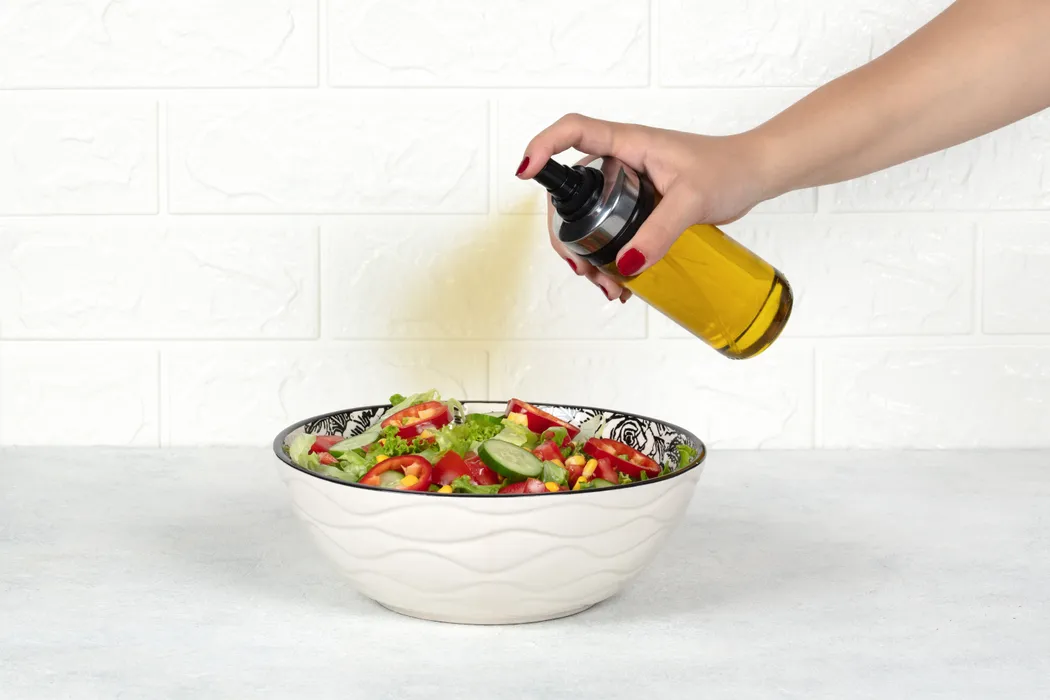
- Use Oil Sprayers: Purchase a reusable oil sprayer bottle to apply a controlled, fine mist of oil or ghee to your pan or food. A spray ensures you use the absolute minimum quantity of fat required for the cooking process.
- Keep Vegetable Stock Ready: Substitute plain water with homemade vegetable or chicken stock in your curries and dals. The enhanced, savory flavor provided by the stock reduces the taste reliance on added fat.
Conclusion
Adopting low oil Indian cooking techniques is a fundamental and highly impactful step towards improving your overall health. By strategically boosting flavor through spices and moisture, you can successfully and sustainably reduce oil Indian recipes. Your food will continue to be deeply flavorful, authentic, and perfectly satisfying.


