Monitoring blood oxygen saturation (SpO2) at home, especially for the elderly or those with chronic respiratory issues, provides vital information. A low reading on your pulse oximeter can be alarming, but it doesn't always signal an immediate crisis. Sometimes, the device simply needs correction, but other times, it indicates a serious problem. Knowing the difference between an inaccurate reading and a true drop in oxygen is essential for confident home care. This article will guide you through troubleshooting a low SpO2 pulse oximeter India reading and help you understand what dangerously low SpO2 India. Having a clear plan can significantly reduce stress and improve patient outcomes.
Low SpO₂ Readings: When to Worry and What Action to Take
Understand low spo2 pulse oximeter India readings and know what is dangerously low spo2 India. Learn essential troubleshooting and emergency steps.
Apollo Pharmacy
Understanding the Causes of Low SpO2 (What Causes Low SpO2?)
A reading of less than 95% can occur for technical reasons, or it can be a genuine reflection of compromised breathing or circulation. It is crucial to determine which factor is causing the low reading.
Device-Related Errors (False Low):
- Cold Extremities: Poor circulation due to cold fingers can prevent the sensor from accurately reading the pulse. The device cannot get a strong, reliable signal.
- Movement Artifacts: Trembling hands or slight movement while the oximeter is measuring will corrupt the sensor's light detection. This results in erratic or falsely low numbers.
- Nail Polish or Fake Nails: Dark colors, thick polish, or artificial nails can block the light path of the sensor. This often produces a spurious, unusually low reading.
- Weak Battery: A failing battery in your low SpO2 pulse oximeter India can compromise the overall sensor function and reading quality. The device may not provide enough light to penetrate the tissue.
True Physiological Issues:
- Respiratory Illnesses: Conditions like pneumonia, severe asthma flares, or COVID-19 directly damage or inflame the lungs. Damaged airways cannot efficiently transfer oxygen into the bloodstream.
- Chronic Lung Conditions: Patients with COPD or Pulmonary Fibrosis naturally have lower baseline SpO2 levels. A further drop below their personal baseline is always concerning.
- Circulation Problems: Heart failure or severe anaemia can mean that even properly oxygenated blood is not circulated effectively. This makes the oximeter struggle to pick up a clear signal.
- Sleep Apnea: During sleep, obstructed breathing causes intermittent drops in SpO2, which should be monitored closely. A dedicated sleep low SpO2 pulse oximeter India is best for these checks.
Steps to Recheck the Reading (Immediate Steps)
If you see a low reading on your oximeter, remain calm and follow these practical troubleshooting steps before assuming a medical emergency.
- Warm the Hand: Gently rub the patient’s finger or hand to improve blood flow before retesting. Poor perfusion is a very common cause of faulty results.
- Change the Finger: Move the device to a different finger, ideally the middle or ring finger, or even the opposite hand. Different fingers often have better blood flow and pulse strength.
- Ensure Stillness: Ask the patient to hold their hand perfectly still on a steady surface while the measurement is taken. Motion is a primary enemy of an accurate low SpO2 pulse oximeter India result.
- Check the Battery: Replace the batteries with fresh ones, even if the device appears to be working normally. Weak batteries can give inconsistent and unreliable data.
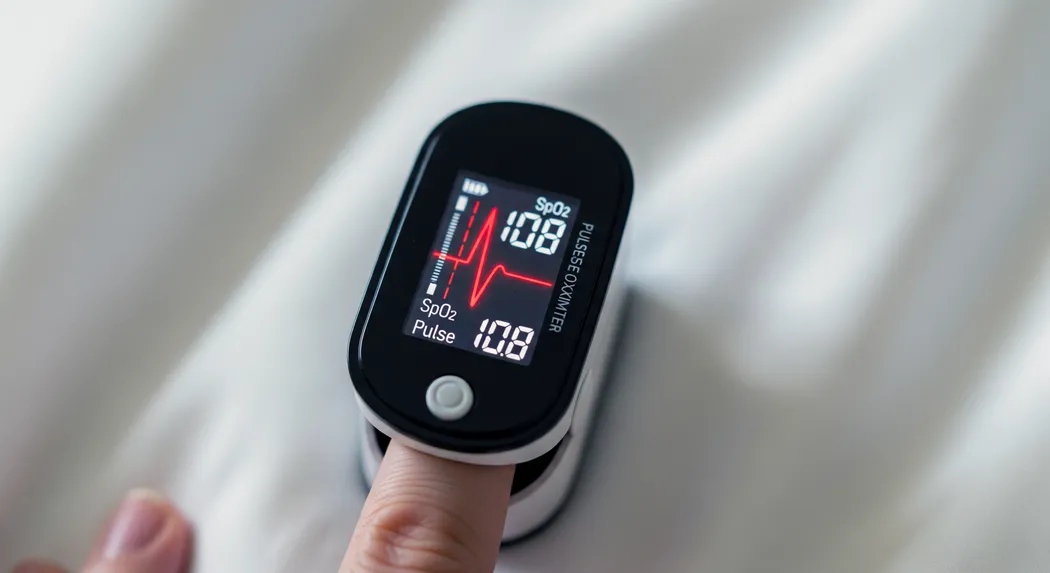
- Look at the Display Signal: If the pulse signal bar or waveform looks erratic, the reading is likely unreliable. Wait until the waveform is smooth and uniform before noting the SpO2 number.
- Observe the Patient: Look at the patient's breathing effort, their lips, and nail beds. If these areas are turning blue or gray (cyanosis), the low reading is real.
Identifying the Emergency Threshold
While normal SpO2 is typically 95-100%, knowing what is dangerously low spo2 India is critical for making fast, informed decisions. Always follow your doctor’s specific advice first.
- Mild Concern (92-94%): This range suggests that the body is working harder than usual to maintain oxygenation. Administer rescue medication (if prescribed) and monitor the reading continuously for 15 minutes.
- Severe Concern (Below 92%): A reading consistently below 92% is a clear indicator that the lungs are struggling significantly. This drop warrants immediate contact with a doctor or emergency services.
- Dangerously Low (Below 90%): A reading in this range is highly concerning and quickly approaches what is dangerously low spo2 India. This requires calling an ambulance and immediate professional medical intervention.
- Visual Signs of Distress: Seek emergency help if the patient shows confusion, difficulty rousing, or the skin around the mouth and fingertips looks blue. These visual clues confirm the severity regardless of the oximeter number.
- No Improvement After Treatment: If SpO2 does not rise back up within 15 minutes of taking prescribed rescue medication, you should seek medical help. The treatment is not working effectively enough.
- Rapid Decline: Even a drop from 98% to 94% over a few minutes, accompanied by increased breathlessness, signals an emergency. The speed of decline is a significant factor in severity assessment.
Selecting a Reliable Oximeter (Product Guide)
Having an accurate and reliable low SpO2 pulse oximeter India is the foundation of effective home monitoring. Investing in a quality device is a matter of safety.
- Medical-Grade Certification: Look for devices with a CE or other recognized medical certification to ensure accuracy and consistency. Reliability is the most important feature for a home health device.
- Good Perfusion Index (PI): Some higher-quality oximeters display the PI, which tells you how strong the pulse signal is at the measurement site. A higher PI means the SpO2 reading is more trustworthy.
- Memory Function: Choose a model that automatically saves previous readings with a time stamp. This feature helps in tracking the fever and oxygen patterns for the clinic.
- Large, Clear Display: The display should be bright and easy to read quickly, especially for elderly users with visual impairments. Clarity reduces misinterpretation of critical numbers.
- Pediatric Options: For monitoring children, a specifically designed pediatric oximeter is necessary for accurate, snug readings. Adult devices are too big for small fingers.
- Alarm Feature: Some advanced low SpO2 pulse oximeter India devices can be programmed to beep if the SpO2 falls below a certain level. This is especially useful for overnight monitoring.
Supportive Care and Improvement (Recovery Tips)
If the low SpO2 pulse oximeter India reading was genuinely low but is now improving, focusing on supportive care aids recovery. These measures promote better breathing and rest.
- Proper Positioning: Encourage the patient to sit upright rather than lying flat, which helps expand the lungs fully. Sitting upright makes breathing easier and more comfortable.
- Deep Breathing Exercises: If the patient is able, gently coach them through slow, deep breaths to maximize air exchange. Focused breathing can help improve oxygen intake slightly.
- Maintain Calm: Anxiety and panic can actually worsen breathing difficulties and increase oxygen demand. Speak calmly and reassure the patient that help is available.
- Stay Hydrated: Ensure the patient drinks enough fluids, as this helps keep airway secretions thin and easier to clear. Proper hydration supports overall recovery.
- Regular Monitoring: Continue checking the SpO2 every 15–30 minutes, even after improvement, to catch any relapse quickly. Close monitoring is essential until symptoms stabilize fully.
- Follow-up with Clinic: Even after a minor episode, contact your clinic to report the low reading and confirm your ongoing care plan. Documenting the drop is important for the medical record.
Conclusion
A reading from your pulse oximeter is a critical piece of health data, but it must be viewed in context with the patient’s overall condition. Knowing the steps for troubleshooting and understanding what is dangerously low SpO2 India empowers you to act decisively and compassionately. This preparedness is the best defense against complications arising from respiratory compromise.


