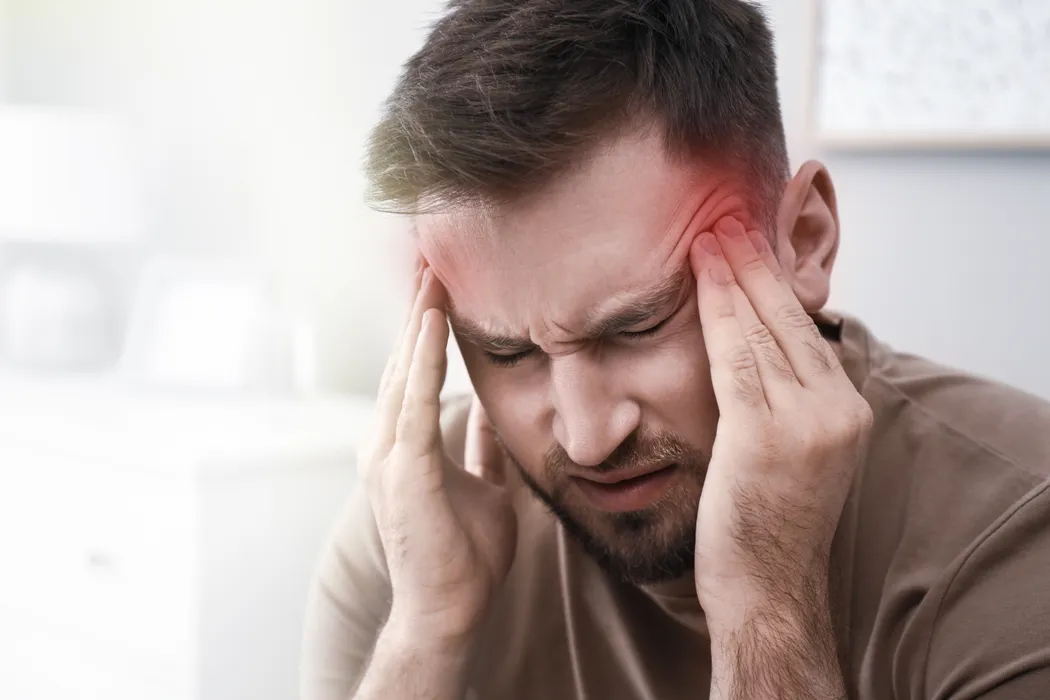
Migraines are a common neurological disorder affecting millions of people worldwide. It is estimated that around 1 in 8 peoplein India suffer from migraines, making it a significant health concern. Migraines are intense headaches characterised by throbbing pain, typically on one side of the head. Identifying migraine symptoms promptly allows the doctor to provide you with an appropriate treatment. Let's explore the various signs and symptoms associated with migraines.
What Are The Symptoms Of Migraine?
Learn about migraine symptoms, triggers, types, diagnosis, and treatment options. Understand how to manage migraines effectively and when to seek medical help.
Apollo Pharmacy
Migraine Types
Migraines can be categorised into two primary types:
- Migraine Without Aura (Common Migraine): This is the most common type, characterised by moderate to severe headaches on one side of the head, often accompanied by nausea, vomiting, and sensitivity to light and sound.
- Migraine With Aura (Classic Migraine): This type includes all the symptoms of a common migraine but is preceded by sensory disturbances, such as visual disturbances, tingling sensations or difficulty speaking.
Common Migraine triggers
Various factors that can trigger migraines include the following:
- Hormonal Changes: Fluctuations in estrogen levels, such as those during menstruation or menopause, can trigger migraines in some individuals.
- Certain Foods and Beverages: Foods like aged cheese, chocolate, alcohol and caffeine are known to trigger migraines in some people.
- Stress and Emotional Triggers: Stressful situations, anxiety, tension and even excitement can trigger migraines.
- Environmental Factors: Bright lights, loud noises, strong smells, changes in weather patterns and even certain medications can act as triggers for migraines.
Common Symptoms of Migraine
Migraine symptoms can be debilitating and disruptive to daily life. Here are the common symptoms experienced during each phase of a migraine attack:
1. Premonitory Phase
The premonitory phase, also known as the prodrome phase, occurs before the onset of a migraine attack and can serve as a warning sign. Common symptoms during this phase include:
- Mood Changes: Many individuals experience mood swings, irritability or sudden bouts of sadness before a migraine attack.
- Food Cravings or Aversions: Some people may have specific food cravings or find certain foods unappealing during this phase.
- Increased Urination and Thirst: Migraine sufferers often report frequent urination and an increased feeling of thirst.
2. Aura Phase
Not all migraines have an aura, but for those that do, this phase typically occurs before the headache phase. Common symptoms of the aura phase include:
- Visual Disturbances: These can include seeing flashing lights, zigzag patterns or blind spots.
- Sensory Symptoms: Some individuals may experience tingling or numbness in their face or extremities.
3. Headache Phase
The headache phase is the most recognisable and often the most debilitating part of a migraine attack. Common symptoms during this phase include:
- Intense Pulsating or Throbbing Pain: Individuals may experience pulsating or throbbing pain on one side of the head.
- Sensitivity to Light, Sound or Smell: Individuals may experience heightened sensitivity to bright lights, loud noises or certain smells. Being exposed to these stimuli can intensify the pain and discomfort.
4. Postdrome Phase
After the headache phase subsides, individuals may enter the postdrome phase, also referred to as the migraine hangover. Common symptoms include:
- Fatigue and Exhaustion: After a migraine attack, individuals may feel extremely tired and worn out.
- Difficulty Concentrating: It's common to experience difficulty focusing or thinking clearly during the postdrome phase.
Recognising Specific Symptoms of Migraine Subtypes
Understanding specific symptoms of migraine subtypes is crucial for accurate diagnosis and effective treatment. Let's explore two common subtypes and their characteristic symptoms.
1. Vestibular Migraine
Vestibular migraines involve dizziness, balance issues, and migrainous symptoms. Commonly associated symptoms include:
- Dizziness and balance problems
- Vertigo (a spinning sensation) and nausea.
2. Hemiplegic Migraine
Hemiplegic migraines are characterised by temporary paralysis or weakness on one side of the body, often resembling stroke-like symptoms. Commonly associated symptoms include:
- Temporary paralysis or weakness on one side of the body. This can affect the face, arm, leg or a combination of these.
- Hemiplegic migraines can cause speech difficulties, such as slurred speech or difficulty finding the right words. Confusion, memory problems and impaired cognitive function may also be present.
Differentiating Migraine from Other Headaches
To differentiate migraines from other headaches, we should consider location, pain quality, and associated symptoms. Here's how to distinguish migraines from common types of headaches:
1. Tension Headaches
Tension headaches are the most common type of headache and often result from stress, muscle tension or emotional factors.
- Nature of Pain: Tension headaches usually present as a band-like pressure around the head, whereas migraines often involve throbbing pain on one side.
- Associated Symptoms: Tension headaches may be accompanied by muscle tension in the neck or shoulders, while migraines often have symptoms like nausea, vomiting and sensitivity to light and sound.
2. Cluster Headaches
These are characterised by intense, excruciating pain that tends to occur in clusters over a specific period.
- Nature of Pain: Cluster headaches are known for their excruciating pain, usually centred around one eye. The pain can be stabbing or burning and occurs in clusters over a specific period.
- Associated Symptoms: Cluster headaches may cause redness or tearing of the eye, nasal congestion or drooping of the eyelid. Migraines typically do not have these specific symptoms.
3. Sinus Headaches
Sinus headaches are associated with inflammation or congestion in the sinuses.
- Nature of Pain: Sinus headaches are often triggered by sinusitis or allergies, while migraines may have different triggers like stress or certain foods.
- Different Symptoms: While sinus headaches may cause facial pressure, migraines tend to have a pulsating or throbbing pain sensation.
Diagnosis of Migraines
Obtaining an accurate diagnosis of migraines is crucial for effective management and treatment. Tests done to diagnose migraine include:
- Neurological Examination: The doctor will assess your reflexes, coordination and sensory perception to check for any abnormalities that may indicate migraines.
- Imaging Scans (MRI, CT Scan): These scans help rule out other underlying causes of your symptoms, such as brain tumours or aneurysms.
- Blood Tests: These tests are conducted to rule out other conditions that may present similar symptoms to migraines, such as infections or hormonal imbalances.
No specific test or scan can definitively diagnose migraines. Diagnosis relies on medical history, reported symptoms and ruling out other causes.
Treatment and Management of Migraines
Migraine symptoms can be disabling, but with the right treatment and management strategies, individuals can find relief. Here are some key approaches to consider:
1. Lifestyle Modifications and Self-care Strategies
- Identifying and Avoiding Triggers: Keeping a migraine diary can help identify triggers like specific foods, certain smells, or hormonal changes.
- Stress Management Techniques: Incorporating stress-reducing activities such as yoga, meditation or deep breathing exercises can help prevent migraine attacks.
- Regular Exercise and Sleep Patterns: Maintaining a consistent exercise routine and getting enough sleep are essential for overall well-being and can help prevent migraines.
2. Medications for Acute Migraine Attacks
- Over-the-counter Pain relievers: Nonsteroidal anti-inflammatory drugs (NSAIDs) like ibuprofen or aspirin can provide relief for mild to moderate migraines. You may also try pain-relieving roll ons.
- Triptans for Moderate to Severe Migraines: These prescription medications work by constricting blood vessels in the brain and reducing inflammation.
3. Preventive Medications for Chronic Migraines
- Beta-blockers, Antidepressants and Antiepileptic Drugs: These medications may be prescribed to individuals who experience frequent migraines to prevent their occurrence.
4. Non-pharmacological Approaches
- Cognitive-behavioural Therapy (CBT): This helps individuals identify and modify negative thought patterns and behaviours that may contribute to migraines.
- Biofeedback and Relaxation Techniques: Learning how to relax the body and control bodily functions, such as heart rate and muscle tension, through biofeedback can help reduce the frequency and intensity of migraines.
When to Seek Medical Attention for Migraines?
Seeking medical attention for migraines is crucial to ensure proper diagnosis and treatment. Here are some red flags that indicate the need for immediate medical care:
- Sudden and Severe Headache: If your headache comes on suddenly and is extremely intense, it could be a sign of a more severe condition and should be evaluated promptly.
- Neurological Symptoms: If you experience any neurological symptoms during a migraine attack, such as difficulty speaking or sudden changes in your vision, seek medical help immediately.
- Frequent or Prolonged Attacks: Increased duration or frequency of a migraine attack may indicate worsening of the condition. Consult a healthcare professional for effective management strategies.
- Medication Overuse Headaches: Overusing migraine medications can cause rebound headaches. If taking these medications frequently leads to worsening headaches, consult a doctor for guidance.
Takeaway
Migraine is a complex neurological condition that can cause a range of symptoms including throbbing pain, sensitivity to light, sound and smell, nausea and others. These symptoms can vary from person to person and from episode to episode. If you experience these symptoms, it's important to consult a healthcare professional for an accurate diagnosis and personalised treatment plan.
If you're suffering from severe headaches, try pain-relieving roll ons.
FAQs
FAQs
Are migraines always accompanied by headaches?
No, not all migraines are accompanied by headaches. Some people may experience migraines with aura but without a headache.
How long does a migraine attack typically last?
Migraine attacks can last anywhere from a few hours to several days.
Can migraines cause sensitivity to smells?
Yes, many individuals with migraines experience sensitivity to certain smells, which can trigger or worsen their symptoms.
Are migraines hereditary?
Genetics play a role in migraines. Family history increases the likelihood, but it's not a definite predictor.
Can migraines affect one side of the head more than the other?
Yes, migraines often affect one side of the head, but they can also be bilateral in some cases.


