0

In this article

  • What Is Mounjaro?
  • Product Summary
  • Uses and Benefits of Mounjaro
  • How Does Mounjaro Work?
  • How Does Mounjaro Work?
  • How to Use Mounjaro?
  • How to Inject Mounjaro?
  • Safety and Side Effects
  • Who Should NOT Use Mounjaro?
  • Drug Interactions
  • Storage and Handling
  • What Happens When You Stop Taking Mounjaro?
  • Alternative Medications
  • Quick Tips and Safety Advice
  • Safety Advice at a Glance
  • Conclusion

Mounjaro: Complete Tirzepatide Guide

Everything you need to know about Mounjaro (tirzepatide), the first dual GIP/GLP-1 receptor agonist for Type 2 diabetes. Learn about uses, dosage schedule, side effects, how it works, drug interactions, storage, and FAQs.
 

article image

Apollo Pharmacy

Living with type 2 diabetes often involves ongoing attention to blood sugar levels, medications, and lifestyle choices. As treatment options continue to evolve, newer therapies are offering additional ways to improve control and reduce long-term health risks.

Mounjaro (tirzepatide) is a prescription medication approved for the treatment of type 2 diabetes. It is the first therapy in its class to activate two gut hormone pathways, glucose-dependent insulinotropic polypeptide (GIP) and glucagon-like peptide-1 (GLP-1) receptors, providing a different approach to blood sugar management compared with earlier treatments that target a single pathway.

Clinical studies have shown that tirzepatide can significantly improve glycaemic control while also supporting weight reduction and broader metabolic benefits in appropriate patients. These effects have made Mounjaro an important option for people who need additional support beyond lifestyle measures and standard diabetes medications.
This guide explains how Mounjaro works, how it is used, its potential benefits and risks, and key safety considerations, helping patients have informed discussions with their healthcare provider.


What Is Mounjaro?

Mounjaro is an injectable prescription medication manufactured by Eli Lilly and Company. Its active ingredient, tirzepatide, is a 39-amino acid modified peptide that mimics two incretin hormones naturally produced in the gut. It is used alongside diet and exercise to improve blood sugar control in adults and children aged 10 years and older with Type 2 diabetes. 
 

Product Summary

AttributeDetails
Brand NameMounjaro
Generic NameTirzepatide
Other Brand (Same Active Ingredient)Zepbound (for weight management and OSA)
Drug ClassDual GIP and GLP-1 receptor agonist
Chemical ClassPeptides
ManufacturerEli Lilly and Company (Indianapolis, IN, USA)
FDA Approval DateMay 13, 2022 (US); September 15, 2022 (EU)
Route of AdministrationSubcutaneous injection (under the skin)
Dosing FrequencyOnce weekly (any time of day, with or without meals)
Available Strengths2.5 mg, 5 mg, 7.5 mg, 10 mg, 12.5 mg, 15 mg
Delivery DevicesSingle-dose autoinjector pen, single-dose vial, multi-dose KwikPen (4 weekly doses)
Habit FormingNo
Prescription RequiredPrescription Required
Therapeutic ClassAnti-diabetic

Mounjaro is available as a single-dose autoinjector pen (no mixing required, and the needle is not visible), a single-dose vial for use with a syringe, and the multi-dose Mounjaro KwikPen which contains four weekly doses of 0.6 mL each. The pen design makes self-injection straightforward, even for those unfamiliar with injectable medications.

Important Distinction

Mounjaro and Zepbound contain the same active ingredient but are approved for different uses.

  • Mounjaro is approved for type 2 diabetes
  • Zepbound is approved for chronic weight management and certain obesity-related conditions
     

Uses and Benefits of Mounjaro

Approved Uses

Mounjaro is approved for the treatment of type 2 diabetes, used alongside diet and lifestyle measures to improve blood sugar control. It may be prescribed alone or in combination with other diabetes medications, depending on individual clinical needs.
Mounjaro is not approved for type 1 diabetes or diabetic ketoacidosis. It is also not officially classified as a weight loss drug, although significant weight reduction is commonly observed in patients using it for diabetes management. 

Clinical Benefits

The clinical evidence for Mounjaro comes primarily from large diabetes and weight-management trial programmes. 

Blood Sugar Control (A1C Reduction)

Across clinical studies, tirzepatide consistently produced substantial reductions in HbA1c levels. A large proportion of patients achieved standard glycaemic targets, and head-to-head trials showed greater A1C reduction compared with several established injectable diabetes therapies. 

Weight Loss

Although Mounjaro is prescribed for diabetes, meaningful weight loss is commonly observed during treatment. Clinical trials showed greater average weight reduction with tirzepatide compared with other injectable diabetes medications, with improvements in body weight and waist circumference. 

Cardiovascular Outcomes

Cardiovascular outcome studies demonstrated that tirzepatide was not associated with increased cardiovascular risk. In specific high-risk populations, treatment was associated with reductions in all-cause mortality and improved outcomes in heart failure with preserved ejection fraction. 

Emerging Research: Liver Disease (MASH)

Early-phase clinical trials suggest tirzepatide may improve liver inflammation in people with metabolic-associated fatty liver disease. Ongoing studies are evaluating its long-term role in this condition. 

Additional Metabolic Benefits

In addition to glucose lowering, tirzepatide has been associated with improvements in blood pressure, lipid markers, and insulin sensitivity. In people with prediabetes, treatment has been shown to reduce progression to type 2 diabetes. 
 

How Does Mounjaro Work?

Mounjaro (tirzepatide) mimics two natural gut hormones released after eating. By activating both pathways together, it improves blood sugar control through complementary mechanisms that affect insulin secretion, glucose production, digestion, and appetite. 
 

How Does Mounjaro Work?

Mounjaro (tirzepatide) mimics two natural gut hormones released after eating. By activating both pathways together, it improves blood sugar control through complementary mechanisms that affect insulin secretion, glucose production, digestion, and appetite. 
 

HormoneNatural RoleWhat Mounjaro Does
GLP-1 (Glucagon-like Peptide-1)Stimulates insulin release, suppresses glucagon, slows gastricemptying, reduces appetite
GIP (Glucose-dependent Insulinotropic Polypeptide)Enhances insulin responseIncreases insulin secretion and supports improved fat and glucose metabolism
 

By activating both GIP and GLP-1 receptors, Mounjaro works through the following actions:

  • Increases insulin release: Stimulates insulin secretion when blood sugar is elevated, reducing hypoglycaemia risk when used alone.
  • Reduces glucagon production: Limits excess glucose release from the liver.
  • Slows gastric emptying: Delays digestion, helping reduce post-meal blood sugar spikes and increasing satiety. This effect may lessen over time.
  • Reduces appetite and food intake: Acts on appetite centres in the brain to decrease hunger and calorie intake.
  • Improves glucose clearance: Enhances the body’s ability to remove excess glucose from the bloodstream. 

The dual-agonist approach is what sets Mounjaro apart from single-target GLP-1 receptor agonists like semaglutide (Ozempic/Wegovy) or liraglutide (Victoza/Saxenda). The combined activation of GIP and GLP-1 receptors appears to produce synergistic benefits that exceed what either hormone pathway can achieve alone.

Key Insight

Mounjaro may begin lowering blood sugar from the first dose. However, the initial 2.5 mg dose is intended to improve tolerability rather than provide full glucose-lowering effect. Therapeutic benefit begins at higher maintenance doses. 
 

How to Use Mounjaro?

Mounjaro (tirzepatide) is taken as a once-weekly subcutaneous injection, on the same day each week. It can be administered at any time of day, with or without meals.

Dosing Schedule

Mounjaro uses a gradual dose-escalation schedule to improve tolerability and reduce gastrointestinal side effects. Duration

PhaseDoseDurationNotes
Starting Dose2.5 mg once weeklyFirst 4 weeksNot a therapeutic dose; helps body adjust
First Therapeutic Dose5 mg once weeklyAt least 4 weeksFirst dose intended for blood sugar control
Subsequent IncreasesIncrease by 2.5 mgEvery 4+ weeks as neededBased on response and tolerance
Maximum Dose (Adults)15 mg once weeklyOngoingHighest approved dose
Maximum Dose (Paediatric)10 mg once weeklyOngoingLower maximum for ages 10+


 How to Inject Mounjaro?

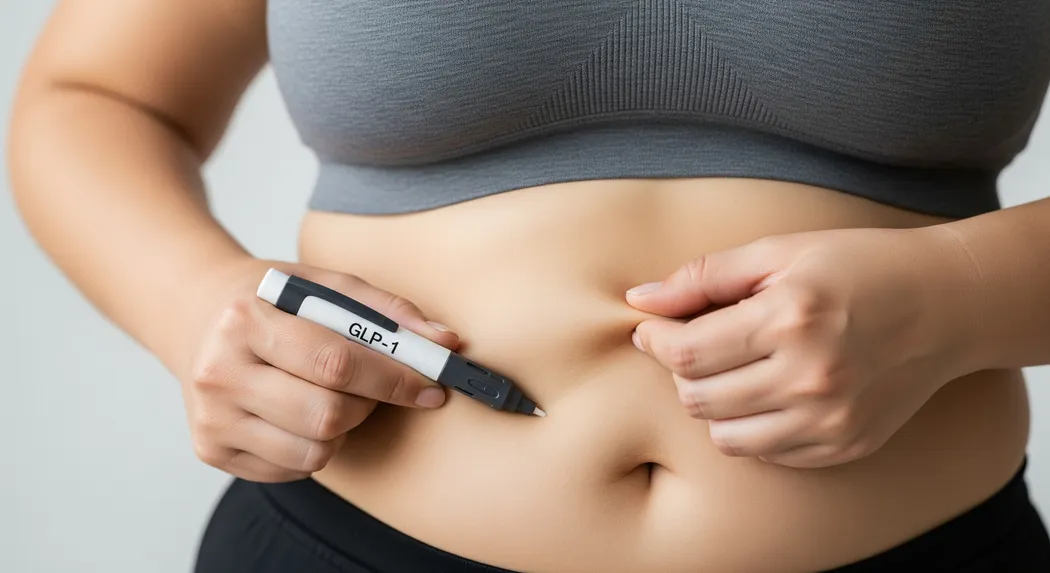
Mounjaro is injected subcutaneously (under the skin) once a week, at any time of the day, with or without meals. You can self-administer the injection, or a caregiver can give it to you.

Choosing and Rotating Injection Sites

Mounjaro can be injected in three areas:

  • Abdomen, at least 2 inches from the navel
  • Front of the thigh
  • Back of the upper arm if injected by another person

Rotate injection sites weekly to reduce irritation. If using insulin, injections may be given in the same general area but not at the same spot. Never mix insulin and Mounjaro in the same injection.

Step-by-Step Injection Guide (Single-Dose Pen)

The single-dose pen requires no mixing and has a concealed needle.

  • Allow the pen to reach room temperature
  • Inspect the solution; it should be clear and particle-free
  • Clean the injection site and wash hands

Remove the cap, place the pen firmly against the skin, unlock, and press the injection button

Hold in place until the injection is complete, then remove and dispose of the pen safely 

Using the Multi-Dose KwikPen

The KwikPen contains four weekly doses. Attach a new needle before each injection, prime as instructed, dial the dose, inject, and hold for at least 10 seconds. Remove the needle after use and discard the pen after four doses or 30 days, whichever comes first. 

Removing Air Bubbles from a Syringe

If you are using a single-dose vial with a syringe, small air bubbles may appear in the barrel. To remove them, hold the syringe with the needle pointing upward, gently tap the barrel to move the bubbles to the top, and slowly push the plunger to expel the air. While small bubbles are generally harmless, removing them ensures accurate dosing. 

Missed Dose

If you miss a dose, take it as soon as possible within 4 days (96 hours) of the missed dose. If more than 4 days have passed, skip the missed dose and take the next dose on your regular scheduled day. Do not inject two doses within 3 days (72 hours) of each other. 

Changing Your Injection Day

You can change the day of the week you take Mounjaro, as long as there are at least 3 days (72 hours) between your last dose and your new dose day.
 

 Safety and Side Effects

Boxed Warning — Thyroid C-Cell Tumours

In animal studies, tirzepatide caused thyroid C-cell tumours, including medullary thyroid carcinoma (MTC). It is not known whether this risk applies to humans.


Mounjaro should not be used in individuals with:

  • A personal or family history of medullary thyroid carcinoma
  • Multiple Endocrine Neoplasia syndrome type 2 (MEN 2)


Seek medical advice promptly if symptoms such as a neck lump, hoarseness, difficulty swallowing, or shortness of breath develop. 

Common Side Effects

The most common side effects are gastrointestinal and are more likely during dose escalation. They are usually mild to moderate and often improve over time.

  • Nausea
  • Diarrhoea
  • Decreased appetite
  • Vomiting
  • Constipation
  • Abdominal discomfort or indigestion
  • Injection site reactions such as redness or itching

Gradual dose increases, smaller meals, and adequate hydration may help reduce symptoms.

Serious Side Effects

While less common, the following serious side effects require immediate medical attention:

  • Pancreatitis: Persistent or severe abdominal pain, with or without vomiting, may indicate pancreatitis and requires immediate evaluation.
  • Low Blood Sugar (Hypoglycaemia): Risk is low when Mounjaro is used alone but increases when combined with insulin or sulfonylureas. Symptoms include dizziness, sweating, confusion, tremor, and palpitations.
  • Severe Allergic Reactions: Stop treatment and seek urgent care if swelling of the face, lips, tongue, or throat, breathing difficulty, or severe rash occurs.
  • Kidney Problems: Severe vomiting or diarrhoea may lead to dehydration and kidney injury, particularly in those with existing kidney disease. Maintaining fluid intake is important.
  • Gallbladder Problems: Rapid weight loss may increase the risk of gallstones or gallbladder inflammation. Seek care for upper abdominal pain, fever, or jaundice.
  • Changes in Vision: Rapid improvements in blood sugar may temporarily worsen diabetic retinopathy. Sudden vision changes should be reported promptly.
  • Aspiration Risk During Surgery: Because Mounjaro slows gastric emptying, inform healthcare providers before surgery or procedures involving sedation or anaesthesia.
     

Who Should NOT Use Mounjaro?

Mounjaro should not be used in:

  • Individuals with MTC or MEN 2
  • People with known hypersensitivity to tirzepatide
  • People with type 1 diabetes or diabetic ketoacidosis

Use caution in those with a history of pancreatitis, severe gastrointestinal disease, gallbladder disease, advanced kidney disease, or diabetic eye disease. 

Precautions

Kidney and Liver: No routine dose adjustment is required, but monitoring is recommended, especially if gastrointestinal side effects occur.

  • Driving and Operating Machinery: Mounjaro itself does not impair driving. However, hypoglycaemia risk increases when combined with other glucose-lowering medications.
  • Pregnancy and Breastfeeding: Mounjaro should not be used during pregnancy. Effective contraception is recommended, and treatment should be stopped well before planned conception. Breastfeeding decisions should be made in consultation with a healthcare provider. 
     

Drug Interactions

Because Mounjaro slows gastric emptying, it can affect the absorption and action of certain oral medications. Most interactions are manageable with monitoring and dose adjustments under medical supervision.

Medication / SubstanceInteractionRecommendation
Insulin / SulfonylureasIncreased risk of hypoglycemiaDose reduction of insulin or sulfonylurea may be required
Oral contraceptives (birth control pills)Reduced absorption due to delayed gastric emptyingUse non-oral contraception or a backup method for 4 weeks after  starting and after each dose increase
 
Oral medications (general)Absorption may be delayedMonitor effect, especially for medicines with a narrow therapeutic range
AlcoholMay increase hypoglycaemia risk and worsen GI side effectsLimit intake; discuss safe use with your doctor
Blood pressure medications (ACE inhibitors, diuretics)Dehydration may worsen kidney functionMaintain hydration; monitor kidney function
Warfarin (blood thinner)Possible change in absorptionINR monitoring may be advised

Other medications that may interact include certain antibiotics, steroid medicines, thyroid hormones, beta blockers, NSAIDs, nicotine products, and some antiviral or hormonal therapies. These interactions do not always require stopping treatment but may warrant closer monitoring.

Always inform your healthcare provider about all prescription medicines, over-the-counter drugs, supplements, and herbal products before starting Mounjaro and during treatment.
 

Storage and Handling

Store unopened Mounjaro in a refrigerator until use. Do not freeze, and discard the medicine if it has been frozen. Keep it in the original packaging to protect it from light.
Single-dose pens or vials may be kept at room temperature for a limited period, according to manufacturer guidance. After first use, multi-dose pens should be stored at room temperature and discarded after the recommended duration or once all doses have been used.

Storage tip: If a pen is accidentally left out of the refrigerator, consult your pharmacist to confirm whether it is still safe to use, and note the date it was removed from refrigeration.
Never store a pen with a needle attached. Dispose of used pens and needles in a sharps disposal container. 
 

What Happens When You Stop Taking Mounjaro?

After stopping Mounjaro, its effects on blood sugar regulation and appetite gradually wear off.

  • Blood sugar levels commonly rise toward pre-treatment levels once the medication is discontinued.
  • Weight lost during treatment may be partially or fully regained over time.
  • There is no known withdrawal syndrome associated with stopping tirzepatide.
  • Tirzepatide remains in the body for several weeks after the last dose.
  • Underlying conditions such as type 2 diabetes and obesity continue to require ongoing management.

Discontinuation should be planned with a healthcare provider, and alternative treatment strategies should be in place to maintain blood sugar control and metabolic health.

Do I Have to Take Mounjaro for Life?

Type 2 diabetes is a long-term condition, and many people require ongoing treatment to maintain blood sugar control. Stopping Mounjaro may lead to a return of elevated blood sugar and weight gain. Treatment duration is individual and should be decided with a healthcare provider. Do not stop Mounjaro without a clear alternative management plan in place.
 

Alternative Medications

Several other medications are used for Type 2 diabetes management. Here is how they compare to Mounjaro:

MedicationDrug ClassKey Differentiator
Semaglutide (Ozempic / Wegovy)GLP-1 receptor agonistSingle-pathway incretin therapy; widely used
Liraglutide (Victoza / Saxenda)GLP-1 receptor agonistDaily injection; longer clinical history
Dulaglutide (Trulicity)GLP-1 receptor agonistDaily injection; longer clinical history
Dulaglutide (Trulicity)GLP-1 receptor agonistWeekly injection with strong CV safety data
Insulin Degludec (Tresiba)Long-acting insulinDaily injection; direct insulin replacement; different mechanism
MetforminBiguanideFirst-line oral therapy for most patients
SGLT2 Inhibitors (e.g., Empagliflozin)SGLT2 InhibitorOral drugs with heart and kidney benefits


Mounjaro differs from these options by targeting two incretin pathways simultaneously, which may provide greater blood sugar and weight reduction in some patients.
 

Quick Tips and Safety Advice

Getting Started with Mounjaro

Begin slowly and follow the dose-escalation schedule to improve tolerability

  • Eat small, balanced meals and avoid greasy or high-fat foods, especially early on
    Stay well hydrated, particularly if nausea, vomiting, or diarrhoea occurs
  • Inject on the same day each week and set a reminder
  • Monitor blood sugar regularly if used with insulin or sulfonylureas
  • Rotate injection sites to prevent irritation 

Managing Common Side Effects

  • Nausea or vomiting: Eat smaller portions, avoid fatty or spicy foods, and sip clear fluids
  • Diarrhoea: Maintain hydration and monitor for signs of dehydration
  • Reduced appetite: Choose nutrient-dense foods and report excessive weight loss 

Important Safety Reminders

  • Never share injection pens
  • Use a new needle for every injection
  • Inform all healthcare providers before surgery or procedures

Use backup or non-oral contraception, as oral contraceptive absorption may be reduced
Keep medication out of reach of children and dispose of sharps safely 
 

Safety Advice at a Glance

CategorySafety RatingDetails
AlcoholConsult Your DoctorIt is not fully established whether it is safe to consume alcohol with Mounjaro. Alcohol may increase hypoglycemia risk and worsen GI side effects.
PregnancyNot RecommendedMounjaro should not be used during pregnancy. Stop at least 2 months before planning to conceive. Oral contraceptive effectiveness may be reduced.
Breastfeeding
Consult Your Doctor
Tirzepatide levels in breast milk were minimal or undetectable. Discuss risks and benefits with your doctor.
 
DrivingSafe If PrescribedNo direct effect on driving. However, risk of hypoglycemia when combined with insulin/sulfonylureas may impair concentration.
KidneySafe If PrescribedSafe to use; no dose adjustment needed. Monitor for dehydration-related kidney injury.
Liver
Safe If Prescribed
Safe to use; no dose adjustment needed.

Conclusion

Mounjaro (tirzepatide) represents a meaningful advancement in the treatment of type 2 diabetes. As the first dual GIP and GLP-1 receptor agonist, it offers a distinct mechanism that can deliver strong blood sugar control along with additional metabolic benefits, including weight reduction, in appropriate patients.

While the clinical results are encouraging, Mounjaro is not a standalone solution. Its effectiveness depends on correct dosing, adherence, lifestyle measures, and regular medical follow-up. Gastrointestinal side effects are common but often manageable, and certain risks require careful screening and monitoring.

Mounjaro is a prescription medication and should be started only after discussion with a qualified healthcare professional, who can determine whether it is suitable based on an individual’s medical history, treatment goals, and risk profile.
 

Apollo 247 Floating Action Button