0

In this article

  • What is Mounjaro?
  • How Does Mounjaro Work for Weight Loss?
  • What the Science Says?
  • Mounjaro vs. Other Weight Loss Injections
  • Who is Eligible for Mounjaro?
  • Side Effects and Safety Profile
  • How is Mounjaro Administered?
  • Lifestyle Changes Are Still Required
  • Cost and Insurance Coverage
  • Conclusion

Mounjaro for Weight Loss: Complete Guide

Discover how mounjaro for weight loss works. Learn about effectiveness, side effects, and how these weight loss injections mounjaro compare to others.

article image

Apollo Pharmacy

If you have been following health news lately, you have likely heard about a new wave of medications transforming how we approach obesity and weight management. Among the most talked-about options is Mounjaro. While originally designed to help people with Type 2 diabetes manage their blood sugar, it has gained massive popularity for its significant impact on body weight.

Navigating the world of medical weight loss can be confusing. With so many options available, it is important to understand what makes mounjaro for weight loss distinct from other treatments. Is it safe? How does it work? And most importantly, is it right for you?

This guide breaks down everything you need to know about Mounjaro, from how it affects your body to the results you might expect, all in simple, clear language.

What is Mounjaro?
 

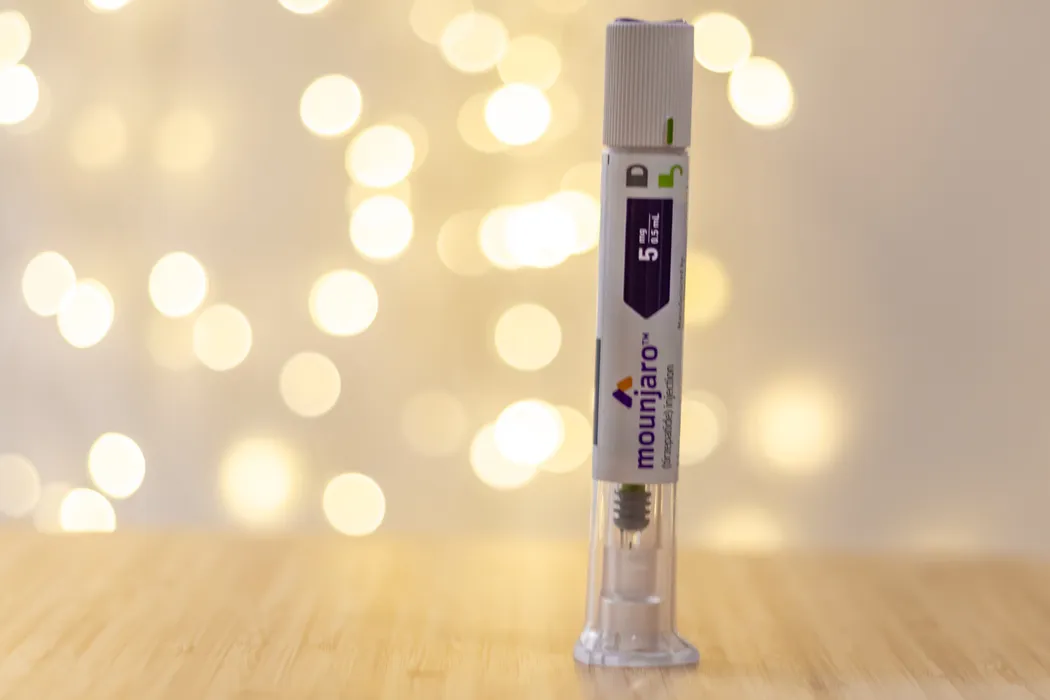
Mounjaro is the brand name for a medication called tirzepatide. It was approved by the U.S. Food and Drug Administration (FDA) in May 2022 to improve blood sugar control in adults with Type 2 diabetes.

However, doctors and researchers quickly noticed a significant "side effect" during clinical trials: patients were losing a substantial amount of weight. This led to many healthcare providers prescribing Mounjaro "off-label" for weight management before the FDA approved the exact same drug under the brand name Zepbound specifically for chronic weight management in late 2023.

Mounjaro is an injectable prescription medicine that is used once a week. It belongs to a class of drugs that mimic natural hormones in your body to help control blood sugar and appetite.

How Does Mounjaro Work for Weight Loss?

To understand mounjaro weight loss results, you have to look at how it interacts with your brain and digestive system. Unlike older diet pills that simply sped up your metabolism, Mounjaro works on a hormonal level.

It is unique because it is the first medication in its class to target two different hormone receptors:

1. GLP-1 (Glucagon-like peptide-1): This hormone is released in the gut after you eat. It tells your brain you are full and slows down how fast your stomach empties.

2. GIP (Glucose-dependent insulinotropic polypeptide): This hormone also aids in regulating blood sugar and may work in synergy with GLP-1 to enhance appetite suppression and improve how the body breaks down sugar and fat.

By activating both of these receptors, Mounjaro acts like a "volume knob" for your hunger. It turns down the noise of food cravings, helps you feel full much faster, and keeps you feeling full for longer periods. This makes it significantly easier to stick to a calorie-reduced diet without the constant battle against hunger pangs.

What the Science Says?

The excitement surrounding these weight loss injections mounjaro is backed by rigorous clinical data. The primary study that showcased the drug's potential was the SURMOUNT-1 clinical trial.

In this study, which included adults without diabetes who had obesity or were overweight with weight-related conditions:

  • Participants taking the highest dose (15 mg) lost an average of 20.9% of their body weight over 72 weeks.
  • That equates to an average loss of roughly 52 pounds.
  • More than 90% of participants on the highest dose lost at least 5% of their body weight.

These results are significantly higher than what is typically seen with diet and exercise alone, and generally higher than results seen in trials for other GLP-1 medications solely.

Mounjaro vs. Other Weight Loss Injections

You have probably heard of Ozempic or Wegovy (semaglutide). How does Mounjaro compare?

While both medications are highly effective, they have a key difference in their chemical structure:

  • Ozempic/Wegovy (Semaglutide): These drugs mimic one hormone (GLP-1).
  • Mounjaro (Tirzepatide): This drug mimics two hormones (GLP-1 and GIP).

Because Mounjaro targets two pathways instead of one, clinical trials suggest it may lead to greater weight loss on average. However, the "best" medication depends on the individual. Some people may tolerate one drug better than the other, or their insurance coverage may dictate which option is accessible.

Who is Eligible for Mounjaro?
 

Technically, Mounjaro is FDA-approved for Type 2 diabetes. However, because the active ingredient (tirzepatide) is now approved for weight loss under the name Zepbound, the eligibility criteria for tirzepatide generally follow these guidelines:

  • Adults with Obesity: A Body Mass Index (BMI) of 30 or higher.
  • Adults who are Overweight: A BMI of 27 or higher, provided they also have at least one weight-related health condition, such as hypertension (high blood pressure), high cholesterol, or obstructive sleep apnea.

It is important to note that this medication is not intended for "cosmetic" weight loss for people who want to lose just a few pounds. It is a serious medical treatment for chronic weight management.

Side Effects and Safety Profile

Like all medications, mounjaro for weight loss comes with potential side effects. Most of these are gastrointestinal, as the drug changes how your digestive system functions.

Common side effects include:

  • Nausea
  • Diarrhoea
  • Decreased appetite
  • Vomiting
  • Constipation
  • Indigestion or stomach pain

These side effects are usually strongest when you first start the medication or when your doctor increases your dose. For many people, these symptoms subside over time as the body adjusts.

Serious Warnings:
Mounjaro carries a "boxed warning" regarding thyroid C-cell tumors. In animal studies, tirzepatide caused thyroid tumors in rats. It is not yet known if it causes these tumors in humans, but you should not use Mounjaro if you have a personal or family history of medullary thyroid carcinoma (MTC) or Multiple Endocrine Neoplasia syndrome type 2 (MEN 2).

Other rare but serious risks can include pancreatitis, gallbladder problems, and kidney issues arising from severe dehydration (due to vomiting or diarrhea).

How is Mounjaro Administered?

Mounjaro is a user-friendly treatment designed for home use.

  • Format: It comes in a single-dose pen.
  • Frequency: You inject it once a week, on the same day each week, at any time of day, with or without food.
  • Injection Sites: Common sites include the stomach (abdomen), thigh, or upper arm.
  • Dosage: Doctors typically start patients on a low dose (2.5 mg) for four weeks to let the body adjust. The dose is then gradually increased in 2.5 mg increments every four weeks until the target maintenance dose is reached (up to a maximum of 15 mg).

Lifestyle Changes Are Still Required

It is a common misconception that weight loss injections mounjaro are a "magic wand" that allows you to eat whatever you want. This is not the case.

Mounjaro is a tool that makes lifestyle changes possible. It removes the barrier of constant hunger, allowing patients to make healthier food choices and control portion sizes. For the medication to work effectively and for the weight to stay off, it must be combined with:

  • A balanced, nutrient-rich diet.
  • Regular physical activity.
  • Adequate sleep and stress management.

Cost and Insurance Coverage
 

One of the biggest hurdles for patients seeking mounjaro weight loss treatment is cost. Without insurance, the out-of-pocket cost can exceed $1,000 per month.

  • If you have Type 2 Diabetes: Many insurance plans cover Mounjaro.
  • If you do not have Diabetes: Coverage is more difficult. Some insurance plans specifically exclude weight loss drugs. However, since the approval of Zepbound (the weight loss version of tirzepatide), some insurers are updating their formularies to include it for obesity treatment.

Manufacturers often offer savings cards for eligible patients with commercial insurance, which can significantly reduce the monthly co-pay.

Conclusion

Mounjaro represents a major leap forward in the treatment of metabolic health and obesity. By mimicking natural hormones to control hunger and blood sugar, it offers hope to millions who have struggled with weight management despite diet and exercise.

While the results are impressive, it is not a casual treatment. It requires a prescription, medical supervision, and a commitment to lifestyle changes. If you are considering mounjaro for weight loss, the first step is an open conversation with your healthcare provider to discuss your health history, the potential risks, and whether this treatment aligns with your wellness goals.

FAQs

Is Mounjaro FDA-approved specifically for weight loss?

Technically, the brand name Mounjaro is FDA-approved for Type 2 diabetes. However, the exact same active ingredient, tirzepatide, was approved by the FDA in November 2023 for chronic weight management under the brand name Zepbound. Doctors may prescribe Mounjaro "off-label" for weight loss, but Zepbound is the on-label option.

How fast will I lose weight on Mounjaro?

Weight loss varies by individual. In clinical trials, participants began seeing weight loss within the first four weeks. Significant results are usually observed after a few months as the dosage increases. Sustainable weight loss takes time; it is not an overnight fix.

What happens if I stop taking Mounjaro?

Obesity is often considered a chronic condition, similar to high blood pressure. Clinical studies suggest that if you stop taking the medication, the appetite-suppressing effects wear off, and significant weight regain is likely. Many doctors view this as a long-term maintenance medication.

Are there specific foods I should avoid while on Mounjaro?

While there are no strictly forbidden foods, high-fat, greasy, or very sugary foods can worsen side effects like nausea and stomach upset. It is generally recommended to focus on lean proteins, vegetables, and whole grains while avoiding fried foods to minimise digestive discomfort.

Can I use Mounjaro if I don't have diabetes?

Yes, but usually under the brand name Zepbound or via off-label prescription. It is indicated for people with a BMI of 30 or higher (obesity) or 27 or higher (overweight) with a related health condition. A doctor must evaluate your medical history to ensure it is safe for you.

Apollo 247 Floating Action Button