0

In this article

  • What Is Mounjaro?
  • The Standard Mounjaro Injection Dosage Schedule
  • How to Administer Your Injection?
  • What to Do If You Miss a Dose?
  • Important Safety Warnings
  • Conclusion

Mounjaro Injection Dosage Guide

Learn the correct Mounjaro injection dosage schedule, from starting doses to maintenance levels. Get safety tips and FAQs in this clear, expert-backed guide.
 

article image

Apollo Pharmacy

Managing Type 2 diabetes has evolved considerably in recent years, driven by advances in medical treatment. One medication that has gained significant attention is Mounjaro, also known by its generic name, tirzepatide. If your doctor has prescribed Mounjaro for you, or if you are researching it for a family member, it is natural to have questions about the correct dosage and how it is taken.

Understanding the right Mounjaro injection dosage is essential for both safety and results. This medication is not designed to be started at a full dose straight away. Instead, it follows a gradual, step-by-step schedule that allows your body time to adjust and helps reduce side effects.
In this guide, we explain the recommended dosage schedule, how and when to take the injection, and address common questions in clear, straightforward language.
 

What Is Mounjaro?

Before getting into dosage details, it is useful to understand what the medication actually is. Mounjaro is the brand name for tirzepatide, a prescription medicine used to manage blood sugar levels in adults with Type 2 diabetes.
Mounjaro is the first medication in its class to act on two natural hormones in the body at the same time:

  • GIP (glucose-dependent insulinotropic polypeptide)
  • GLP-1 (glucagon-like peptide-1)

These hormones are released after you eat and play an important role in blood sugar regulation. By activating both hormone receptors, Mounjaro helps the body release insulin when blood sugar is high, improves insulin sensitivity, and reduces the amount of sugar produced by the liver. It also slows the rate at which food leaves the stomach, which helps control confirm hunger and manage post-meal blood sugar spikes.

Although Mounjaro is approved for the treatment of Type 2 diabetes, many people also experience weight loss as a secondary effect. Because the medication slows digestion and affects appetite, the dose must be increased gradually. This step-by-step process, known as titration, allows the body to adjust and helps reduce side effects such as nausea and stomach discomfort.
 

The Standard Mounjaro Injection Dosage Schedule

Treatment with Mounjaro is designed to be gradual. You will not start at the highest dose. Instead, your healthcare provider will guide you through a step-by-step schedule that allows your body time to adjust and reduces the risk of side effects.
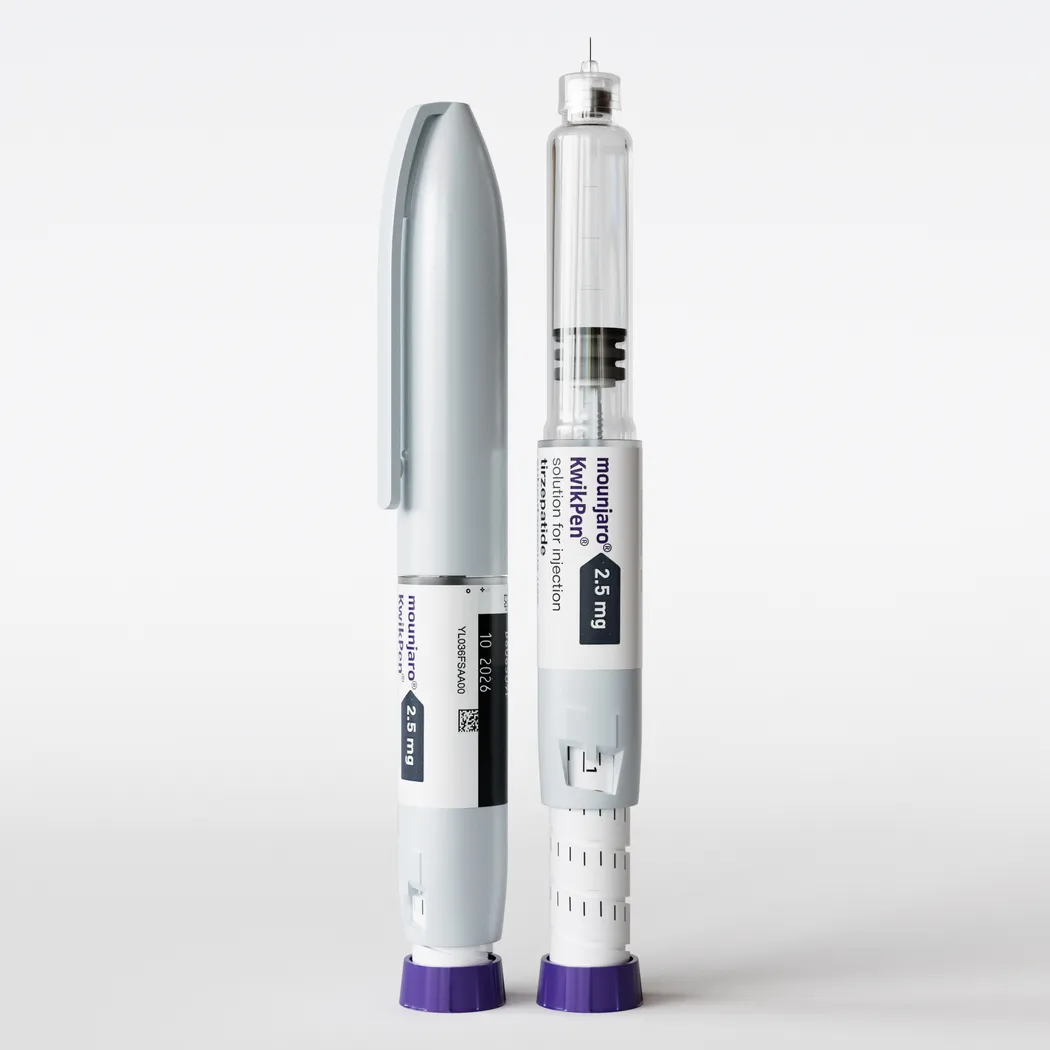
Mounjaro is available in six different strengths. Each pen contains a single pre-filled dose:

  • 2.5 mg
  • 5 mg
  • 7.5 mg
  • 10 mg
  • 12.5 mg
  • 15 mg

Below is how the standard Mounjaro injection dosage progression usually works for most patients.

Phase 1: The Initiation Dose (Month 1)

Dosage: 2.5 mg once weekly

For the first four weeks, you will be prescribed the lowest dose of 2.5 mg. This is known as the starting or initiation dose. Its main purpose is to help your body get used to the medication, particularly its effects on digestion and appetite.

During this phase, you may not notice major improvements in blood sugar levels, and weight changes may be minimal. This is expected. The goal at this stage is tolerance, not strong glucose control.

Phase 2: The First Step Up (Month 2)


Dosage: 5 mg once weekly

After completing four weeks on 2.5 mg, your doctor will usually increase the dose to 5 mg. This is considered the first therapeutic dose. For many people, this is where Mounjaro begins to actively lower blood sugar levels and improve overall glucose control.

You will remain on the 5 mg dose for at least four weeks. During this time, your doctor may review your blood sugar readings, side effects, and overall response to the medication.

Phase 3: Adjusting and Maintaining

Dosage: 7.5 mg, 10 mg, 12.5 mg, or 15 mg once weekly

If your blood sugar levels are well controlled on 5 mg and you are tolerating the medication comfortably, your doctor may decide to keep you at this dose long term. However, if additional glucose control is needed, the dose may be increased further.
Dose increases follow a clear pattern:

Increases are made in steps of 2.5 mg

You must stay on each dose for at least four weeks before moving up

Each increase is based on blood sugar response and side effects

This slow and structured approach helps minimise stomach-related side effects such as nausea, vomiting, and diarrhoea.

The Maximum Dosage

The highest FDA-approved dose of Mounjaro is 15 mg once weekly. Not everyone needs to reach this level. Many patients achieve good blood sugar control at lower doses.

The ideal dose is not the highest one available. It is the dose that keeps your blood sugar within target range while causing the fewest side effects. Your healthcare provider will work with you to find the balance that suits your body and treatment goals.
 

How to Administer Your Injection?

Starting an injectable medicine can feel a little daunting, especially if you have never used one before. The good news is that the Mounjaro pen is designed to be simple and user friendly. You do not need to mix anything, and the needle is hidden, so you will not see it during the injection.

Choosing Your Injection Site

Mounjaro is injected into the fatty layer just under the skin. This is known as a subcutaneous injection. There are three recommended areas where the injection can be given safely and comfortably.

  • Stomach (abdomen): Choose an area at least two inches away from your belly button. This is a common and convenient site for many people.
  • Thigh: Inject into the front of the upper thigh. This area is easy to reach if you are injecting yourself.
  • Upper arm: The injection should be given into the back of the upper arm. This site usually requires help from another person, as it can be difficult to reach correctly on your own.
  • Pro tip: Rotate your injection site each week. For example, if you used your right thigh one week, use your left thigh or abdomen the next time. Rotating sites helps prevent skin irritation, soreness, and hardening of the tissue over time.

Step by Step Instructions

Follow these steps carefully each time you use the pen.

  • Inspect the pen: Check the liquid through the pen window. It should be clear and colourless to slightly yellow. Do not use the pen if the liquid looks cloudy, contains particles, or if the pen has been frozen.
  • Remove the cap: Pull the grey base cap straight off. Do not twist it, as this can damage the pen.
  • Position the pen: Place the clear base of the pen flat against your skin at the chosen injection site. Make sure it is pressed firmly and evenly.
  • Unlock the pen: Turn the lock ring to the unlock position. This prepares the pen for injection.
  • Inject the dose: Press and hold the purple injection button. You will hear a click, which means the injection has started.
  • Hold until complete: Keep holding the pen firmly against your skin. After about ten seconds, you will hear a second click. This sound confirms that the injection is complete and the full dose has been delivered. You will also see the grey plunger inside the pen.

Once finished, remove the pen from your skin and dispose of it as instructed by your healthcare provider. If you are ever unsure about the injection process, ask your doctor, nurse, or pharmacist to demonstrate it again.
 

What to Do If You Miss a Dose?

Missing a dose can happen, especially with a once-weekly medication. If you miss your Mounjaro injection, it is important to follow the recommended 4-day rule, also known as the 96-hour rule.

If it has been less than 4 days (96 hours) since your scheduled dose: Take the missed dose as soon as you remember. After that, return to your usual weekly injection schedule.

If it has been more than 4 days (96 hours) since your scheduled dose: Skip the missed dose completely. Take your next injection on your regular scheduled day.

Important warning: Never take two doses within 3 days (72 hours) of each other. Doing so can increase the risk of severe side effects, including very low blood sugar and significant stomach problems such as nausea and vomiting.

Managing Dosage-Related Side Effects

Because Mounjaro slows digestion, stomach-related side effects are the most commonly reported. These effects are more likely to appear when you first start the medication or shortly after your dose is increased. For most people, they improve over time as the body adjusts.

Common Side Effects

The digestive symptoms most often linked to dosage changes include:

  • Nausea
  • Diarrhoea
  • Reduced appetite
  • Vomiting
  • Constipation
  • Indigestion or stomach pain
  • Tips for Relief

There are several practical steps you can take to ease these side effects and make treatment more comfortable.

  • Eat smaller meals: Because food stays in the stomach longer, large meals can cause discomfort, bloating, or nausea. Smaller portions are usually better tolerated.
  • Avoid fatty or greasy foods: Fried and high-fat foods tend to worsen nausea and indigestion while on Mounjaro. Choosing lighter, balanced meals can help.
  • Stay well hydrated: Drink plenty of water throughout the day, especially if you have diarrhoea or vomiting. This helps prevent dehydration and supports digestion.
  • Do not rush dose increases: If you feel unwell after moving up to a higher dose, speak with your doctor. They may recommend staying on the lower dose for an additional four weeks to allow your body more time to adjust.

Managing side effects carefully can make a big difference in how well you tolerate Mounjaro and stay consistent with your treatment plan.
 

Important Safety Warnings

While Mounjaro can be highly effective, it is also a strong medication and must be used with care. There are certain safety warnings you should understand before starting treatment and while continuing it.

Thyroid Tumours

In studies carried out on rats and mice, tirzepatide was associated with thyroid C-cell tumours. At present, it is not known whether Mounjaro causes these tumours in humans. As a precaution, Mounjaro should not be used if:

  • You have a personal or family history of Medullary Thyroid Carcinoma (MTC)
  • You have Multiple Endocrine Neoplasia syndrome type 2 (MEN 2)

Before prescribing Mounjaro, your doctor will usually review your medical and family history carefully to rule out these risks.

Pancreatitis

Pancreatitis, or inflammation of the pancreas, is rare but serious. You should stop using Mounjaro and seek urgent medical attention if you experience:

  • Severe and persistent pain in the upper stomach area
  • Pain that may spread to your back
  • Pain with or without vomiting
  • Do not ignore these symptoms, as pancreatitis requires prompt medical treatment.

Hypoglycaemia (Low Blood Sugar)

On its own, Mounjaro has a low risk of causing hypoglycaemia. However, the risk increases if it is taken together with insulin or medicines called sulfonylureas.

Signs of low blood sugar can include sweating, shakiness, dizziness, confusion, blurred vision, or feeling faint. If you are taking insulin or similar medicines, your doctor may reduce their dose when you start Mounjaro to lower this risk. Always monitor your blood sugar as advised and report any concerning symptoms to your healthcare provider.
 

Conclusion

Starting a new medication can feel overwhelming, but following the correct Mounjaro injection dosage guide is essential for both safety and effectiveness. The gradual increase in dose is intentional. It gives your body time to adjust and helps reduce side effects, leading to better long-term control of Type 2 diabetes.
Patience plays an important role in this process. Reaching the right dose is not about speed but about finding the level that manages your blood sugar well while keeping side effects to a minimum.
Keep an open and honest line of communication with your healthcare team throughout your treatment. If you notice side effects, have questions about your dosing schedule, or feel unsure at any point, they are the best source of personalised guidance and support.
 

FAQS

Can I change the day of the week I take Mounjaro?

Yes, you can change the day you take your Mounjaro injection. The key rule is that there must be at least 3 days (72 hours) between your last dose and the new one. You do not need to restart the dose titration process just to change the injection day.

Should I take Mounjaro with food?

You can take your Mounjaro injection with or without food. Food does not affect how the medication is absorbed. That said, if you tend to feel nauseous after injections, having a small, bland snack beforehand, such as dry crackers or toast, may help reduce discomfort.

How should I store my Mounjaro pens?

Mounjaro pens should be stored in the refrigerator at a temperature between 2°C and 8°C. If necessary, a pen can be kept at room temperature, up to 30°C, for a maximum of 21 days. Once a pen has been kept at room temperature, it should not be returned to the fridge. Never freeze the pens, and do not use them if they have been frozen.

How long does it take for Mounjaro to start working?

Mounjaro begins to affect blood sugar levels soon after the first injection. However, because treatment starts at a low, non-therapeutic dose of 2.5 mg, noticeable improvements may take time. Many people begin to see meaningful changes in HbA1c levels or body weight after 4 to 8 weeks, once they reach the 5 mg dose or higher.

Is Mounjaro the same as Ozempic?

No, they are not the same, although they are similar. Ozempic, which contains semaglutide, works by targeting the GLP-1 receptor only. Mounjaro, which contains tirzepatide, targets both the GLP-1 and GIP receptors. This dual action is what makes Mounjaro different and is the reason it often shows stronger effects on blood sugar control and weight loss in clinical studies.

Apollo 247 Floating Action Button