0

In this article

  • Understanding Mounjaro: How It Works
  • Top Prescription Options as a Mounjaro Injection Substitute
  • Oral Alternatives: Can You Take a Pill Instead?
  • Natural and Lifestyle “Substitutes”
  • The Risks of Compounded “Dupes”
  • How to Switch Medications Safely?
  • Conclusion

Finding the Right Mounjaro Injection Substitute

Searching for a Mounjaro injection substitute? Learn about effective medical, oral, and lifestyle alternatives for diabetes and weight management in this detailed guide.
 

article image

Apollo Pharmacy

If you are managing Type 2 diabetes or working towards weight loss, you have probably come across Mounjaro. It has gained attention for delivering strong results in blood sugar control and weight reduction. However, ongoing supply shortages, high costs, and insurance limitations mean it is not accessible to everyone.

As a result, many people are now looking for a practical and effective Mounjaro injection substitute that allows them to continue managing their health without major disruption. For some, the challenge is availability or affordability. For others, it may be discomfort with injections or concerns about long-term use.

The good news is that Mounjaro is not the only option. There are several medical alternatives, oral medications, and supportive lifestyle approaches that can help achieve similar goals, depending on your health needs.
In this guide, we look at the most commonly prescribed medical substitutes, tablet-based options, and lifestyle strategies that doctors may recommend as alternatives to Mounjaro.
 

Understanding Mounjaro: How It Works

Before choosing an alternative, it helps to understand what Mounjaro, whose active ingredient is tirzepatide, actually does in the body. Mounjaro is considered unique because it works as a dual agonist, meaning it mimics two naturally occurring hormones involved in blood sugar and appetite regulation.

  • GLP-1 (glucagon-like peptide-1): This hormone helps control appetite, slows digestion, and supports better blood sugar control after meals.
  • GIP (glucose-dependent insulinotropic polypeptide): This hormone enhances insulin release from the pancreas when blood sugar levels rise.


By acting on both of these hormone pathways, Mounjaro helps lower blood sugar levels more effectively while also reducing appetite and slowing digestion. This combination often leads to meaningful weight loss alongside improved glucose control.

Because Mounjaro is currently the only medication that targets both GLP-1 and GIP together, finding an exact replacement is not possible. That said, several well-established alternatives work on one of these pathways and can still offer strong benefits for diabetes management and weight loss when used appropriately.
 

Top Prescription Options as a Mounjaro Injection Substitute

If Mounjaro is not available or suitable for you, your doctor may suggest switching to another injectable medicine. Most medical substitutes belong to a group called GLP-1 receptor agonists. These drugs work on one hormone pathway rather than two, but they are well established and widely used for both diabetes control and weight management.

1. Ozempic and Wegovy (Semaglutide)

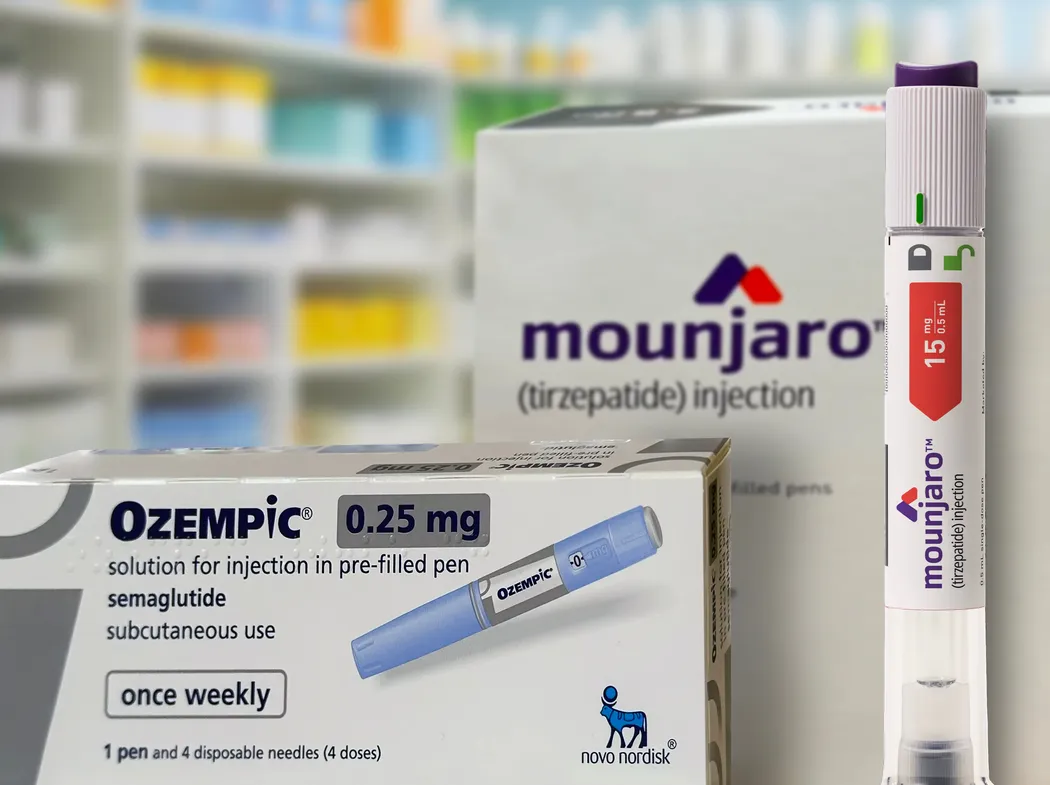
Ozempic and Wegovy contain the same active ingredient, semaglutide, and are considered the closest alternatives to Mounjaro.

  • Ozempic: Approved for Type 2 diabetes
  • Wegovy: Approved specifically for chronic weight management

Semaglutide is highly effective at lowering HbA1c levels and supporting weight loss. Because of this strong evidence, it is currently the most commonly prescribed Mounjaro injection substitute when tirzepatide is unavailable.

2. Trulicity (Dulaglutide)

Trulicity is another once-weekly injection used to treat Type 2 diabetes. It helps the pancreas release insulin when blood sugar levels rise.

Trulicity is reliable for blood sugar control and has been used safely for many years. However, weight loss outcomes are generally more modest compared to Mounjaro or semaglutide-based treatments.

3. Victoza and Saxenda (Liraglutide)

Victoza and Saxenda are based on liraglutide, an older GLP-1 medication.

  • Victoza: Used for Type 2 diabetes
  • Saxenda: Used for weight management

Unlike newer options, liraglutide requires a daily injection rather than a weekly one. While this makes it less convenient for some people, it remains a proven and effective alternative when weekly injections are not suitable or available.

4. Zepbound (Tirzepatide)

If your main issue is availability rather than tolerability, Zepbound may be worth discussing with your doctor.

Zepbound contains the exact same active ingredient as Mounjaro, tirzepatide. The key difference is its approval. Zepbound is approved for chronic weight management, while Mounjaro is approved for Type 2 diabetes. It is not a chemical substitute, but rather the same medication under a different brand name and indication.

Your doctor can help determine which of these options best fits your medical needs, availability, and long-term treatment goals.
 

Oral Alternatives: Can You Take a Pill Instead?

For many people, the idea of a weekly injection is the biggest barrier to starting or continuing treatment. If injections are a concern for you, it is worth knowing that there are oral options that may serve as a partial Mounjaro injection substitute, depending on your health needs.

Rybelsus (Oral Semaglutide)

Rybelsus is currently the only GLP-1 receptor agonist available in tablet form. It contains semaglutide, the same active ingredient found in Ozempic.


Pros:

  • No injections or needles
  • Taken once daily

Cons:

  • Must be taken first thing in the morning on an empty stomach
  • Only a small sip of water is allowed

You must wait at least 30 minutes before eating, drinking, or taking other medicines
Because of these strict instructions, Rybelsus requires consistency and routine. Even so, for patients looking for a Mounjaro injection substitute without injections, it is often the first option discussed with a healthcare provider.

Metformin

Metformin remains the most commonly prescribed first-line treatment for Type 2 diabetes. It works by reducing glucose production in the liver and improving insulin sensitivity.

While metformin does not lead to the same degree of weight loss seen with Mounjaro or GLP-1 injections, it has several advantages. It is well-studied, affordable, widely available, and generally well tolerated. For many patients, it is used alongside other medications rather than as a direct replacement, but it can still play an important role in blood sugar management.
 

Natural and Lifestyle “Substitutes”

While no natural remedy or supplement can truly replace a prescription medicine like Mounjaro, certain lifestyle changes and supportive aids can help improve blood sugar control and weight management. These approaches are best seen as complements to medical treatment, or as supportive steps when prescription options are limited.

The Role of Fibre and Protein

Diet plays a central role in managing both diabetes and weight. One of the ways Mounjaro works is by slowing digestion, which helps you feel full for longer. You can support this effect naturally, though to a lesser degree, through diet.

  • Increasing soluble fibre: Foods such as oats, flaxseeds, lentils, and beans absorb water and form a gel in the gut. This slows digestion, reduces blood sugar spikes after meals, and helps control appetite.
  • Prioritising protein: Protein-rich meals help reduce hunger hormones and increase feelings of fullness. Including adequate protein at each meal can make it easier to manage portions and maintain steady energy levels.

Berberine: “Nature’s Ozempic”?

Berberine has gained attention online and is sometimes referred to as “Nature’s Ozempic.” It is a plant-derived compound found in herbs such as goldenseal and barberry.

  • What the research shows: Some small studies suggest berberine may help lower blood sugar levels, improve insulin sensitivity, and support cholesterol control.
  • What to keep in mind: Its effects are modest compared to prescription medications like Mounjaro. Berberine is not a direct substitute and should not be used as a replacement for prescribed treatment. It can also interact with other medicines, so it is important to speak with your doctor before using it.

Lifestyle changes and natural supplements can support overall health, but they work best as part of a broader, medically guided plan rather than as stand-alone substitutes for prescription therapy.
 

The Risks of Compounded “Dupes”

When shortages occur, some patients are tempted to turn to compounding pharmacies that advertise so-called generic versions of Mounjaro or Ozempic. This is an area where caution is especially important.

The FDA has issued clear warnings about compounded versions of these medicines. In some cases, compounders use salt forms of the active ingredients, such as semaglutide sodium or semaglutide acetate. These are not the same as the FDA-approved drugs and have not been proven to be safe, effective, or equivalent.

There is also less regulatory oversight with compounded products compared to branded, FDA-approved medications. This increases the risk of incorrect dosing, contamination, or reduced effectiveness.

For your safety, it is strongly recommended to use only medications obtained from licensed pharmacies and approved by regulatory authorities. If you are facing supply or cost issues, speak with your healthcare provider about safer, approved alternatives rather than turning to unverified substitutes.


How to Switch Medications Safely?

If you are unable to access your Mounjaro prescription, it is important not to stop treatment abruptly unless your doctor specifically advises you to do so. Stopping suddenly can cause blood sugar levels to rise quickly and may also lead to a noticeable increase in appetite, making diabetes and weight control harder to manage.


To switch medications safely, consider the following steps:

  • Contact your doctor promptly: Let them know about the supply or cost issue as soon as possible. Your doctor can suggest a temporary or long-term alternative, such as Ozempic, Trulicity, or another suitable GLP-1 medication, based on your medical history.
  • Review your insurance coverage: Checking your insurance formulary can help identify which alternatives are covered and at what tier. This can save time and reduce out-of-pocket expenses when switching treatments.
  • Expect a lower starting dose: When transitioning to a new GLP-1 medicine, doctors usually start at a lower dose. This gradual approach helps minimise side effects like nausea and allows your body to adjust smoothly.
  • Monitor your symptoms closely: During the transition, keep an eye on your blood sugar readings, appetite, and any new side effects. Share this information with your healthcare provider so they can fine-tune your treatment if needed.
     

Conclusion


While Mounjaro is a groundbreaking medication, it is not the only option available for managing Type 2 diabetes or supporting weight loss. If access, cost, or tolerability is an issue, there are several viable paths forward. You may switch to a similar injectable option like Ozempic, consider an oral medication such as Rybelsus, or place greater emphasis on structured lifestyle changes that support blood sugar control.
What matters most is avoiding gaps in treatment and making changes safely. Open and ongoing communication with your healthcare provider is essential. They can help you weigh the pros and cons of each alternative, adjust doses carefully, and choose a Mounjaro injection substitute that aligns with your medical needs, preferences, and long-term health goals.
 

Apollo 247 Floating Action Button