0

In this article

  • What Is Mounjaro Injection?
  • Mounjaro Composition: What Is Inside?
  • Primary Mounjaro Injection Uses
  • Key Mounjaro Injection Benefits
  • Potential Side Effects and Risks
  • How to Take Mounjaro?
  • Conclusion: Is Mounjaro Right for You?

Mounjaro Injection: Uses, Benefits & Side Effects

Discover Mounjaro injection uses, benefits, and side effects. Learn what the Mounjaro injection is, its composition (tirzepatide), and how it helps manage Type 2 diabetes.
 

article image

Apollo Pharmacy

Managing Type 2 diabetes often requires constant attention. From checking blood sugar levels to making careful food choices and keeping up with medications, it can feel demanding and ongoing. In recent years, advances in diabetes treatment have introduced newer options that aim to make this process more effective and manageable. One such treatment gaining attention is the Mounjaro injection.

You may have come across the name Mounjaro in health articles, clinic discussions, or online conversations. This naturally raises questions. What exactly is the Mounjaro injection? Is it the same as insulin? Is it mainly for weight loss? And most importantly, is it safe and suitable for you?
In this guide, we explain what the Mounjaro injection is, how it works, its medical uses, potential side effects, and the key benefits it may offer for people living with Type 2 diabetes.
 

What Is Mounjaro Injection?

Mounjaro is a prescription medicine used to improve blood sugar control in adults with Type 2 diabetes. It is given as an injection and is prescribed alongside healthy eating and regular physical activity.

A common misunderstanding is that Mounjaro is a form of insulin. It is not. Instead, it belongs to a newer class of medicines that help the body use its own insulin more effectively, especially after meals when blood sugar levels rise.

The Mechanism: How Does It Work?

To understand the benefits of the Mounjaro injection, it helps to look at how it works in the body. Mounjaro is the first medicine in a class known as a dual GIP and GLP-1 receptor agonist.

Although this sounds complex, the idea is fairly simple. After you eat, your body releases natural hormones that help control blood sugar. Two of the most important are:

  • GIP, or glucose-dependent insulinotropic polypeptide
  • GLP-1, or glucagon-like peptide-1

These hormones signal the pancreas to release insulin and reduce the amount of sugar produced by the liver.

Mounjaro mimics both of these hormones at the same time. By acting on two different hormone pathways, it helps lower blood sugar levels more effectively and slows down digestion. This slower digestion helps you feel full for longer, which can also support weight management.
 

Mounjaro Composition: What Is Inside?

When starting any medication, it is natural to want to know exactly what it contains. Understanding the composition of Mounjaro can help you feel more informed and confident about its use.

The active ingredient in the Mounjaro injection is tirzepatide. This is the compound responsible for the medication’s effects on blood sugar control and appetite regulation.
In addition to the active ingredient, Mounjaro also contains a small number of inactive ingredients, which help stabilise the medicine and ensure it can be safely injected. These include:

  • Sodium chloride
  • Sodium phosphate dibasic heptahydrate
  • Water for injection

Very small amounts of hydrochloric acid or sodium hydroxide may also be used to adjust the pH of the solution.

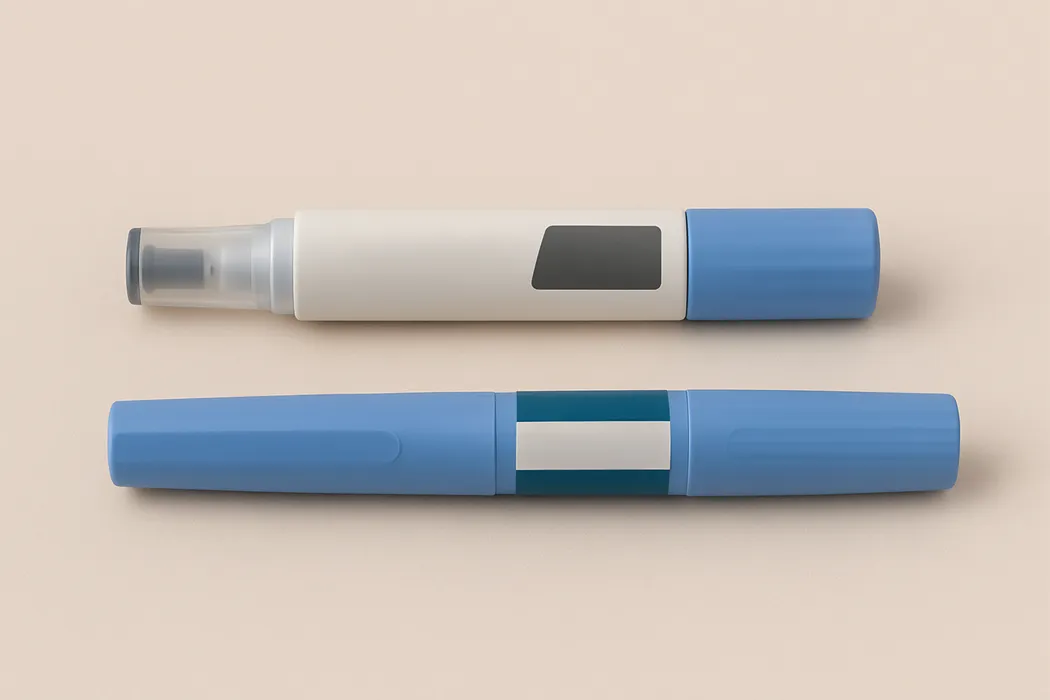
Mounjaro is supplied in a single-dose, pre-filled injection pen. This means you do not need to mix solutions or handle separate needles, making it easier and safer to use. The liquid inside the pen is clear and colourless to slightly yellow.

Because tirzepatide is a protein-based medicine, it cannot be taken as a tablet. Stomach acid would break it down before it could work effectively. For this reason, the medication must be given as an injection under the skin.
 

Primary Mounjaro Injection Uses

Although Mounjaro is often discussed widely online, its approved medical uses are clearly defined. Understanding these uses helps set realistic expectations about what the medication is meant to do.

1. Treatment of Type 2 Diabetes

The primary and FDA-approved use of the Mounjaro injection is the treatment of Type 2 diabetes in adults. It is prescribed when blood sugar levels are not adequately controlled through diet and exercise alone.

Mounjaro helps lower HbA1c levels, which reflect your average blood sugar over the past two to three months. Maintaining HbA1c within the recommended range is important for reducing the risk of long-term diabetes-related complications, such as nerve damage, kidney disease, and vision problems.

2. Weight Management (Off-Label Use and Zepbound)

Although Mounjaro is approved for diabetes treatment, many patients experience noticeable weight loss while using it. This effect is linked to reduced appetite, slower digestion, and improved metabolic control. As a result, some doctors prescribe Mounjaro off label to support weight loss in appropriate patients.

It is important to note that the same active ingredient, tirzepatide, has been approved under a different brand name, Zepbound, specifically for long-term weight management in adults with obesity or overweight individuals who have weight-related health conditions.

However, when prescribed under the brand name Mounjaro, the official and intended use remains the management of Type 2 diabetes. Any off-label use should always be carefully discussed and monitored by a healthcare professional.
 

Key Mounjaro Injection Benefits

Doctors and patients are increasingly considering this medication because the benefits of the Mounjaro injection extend beyond simple blood sugar readings. It addresses several underlying factors involved in Type 2 diabetes, offering broader health advantages.

1. Superior Blood Sugar Control

Clinical trials have shown that Mounjaro is highly effective at lowering HbA1c levels. In multiple studies, tirzepatide demonstrated stronger blood sugar reductions compared with several commonly used diabetes medicines, including semaglutide and some long-acting insulin therapies. Better HbA1c control helps lower the risk of long-term complications such as nerve damage, kidney disease, and vision problems.

2. Significant Weight Loss

Although Mounjaro is prescribed for diabetes, weight loss is a notable and often welcome effect. The medication slows gastric emptying, meaning food stays in the stomach for longer, and it also sends signals to the brain that reduce hunger.

As a result, many patients naturally eat smaller portions without feeling deprived. In clinical trials, people taking higher doses of Mounjaro lost, on average, around 15 to 20 per cent of their body weight over time. For people with Type 2 diabetes, this weight loss can improve insulin sensitivity, making blood sugar easier to control and creating a positive feedback cycle for overall metabolic health.

3. Cardiovascular Health

Over time, poorly controlled blood sugar can damage blood vessels and increase strain on the heart. By improving glucose control and supporting weight reduction, Mounjaro may help lower cardiovascular risk factors such as high blood pressure and unhealthy cholesterol levels.

While long-term studies looking specifically at heart attack and stroke outcomes are still ongoing, early data suggest that better metabolic control may translate into improved heart health for many patients.

4. Convenience

Treatment adherence is often better when medication fits easily into daily life. Mounjaro is taken as a once-weekly injection, rather than a daily pill or multiple injections. It can be administered at any time of day, with or without food, making it simpler to maintain consistently, even with a busy routine.
 

Potential Side Effects and Risks


No medication is completely free of risk. While the benefits of the Mounjaro injection can be substantial, especially for blood sugar control and weight management, it is important to understand the possible side effects. Most side effects are mild to moderate and are more likely to appear when you first start the medication or when the dose is increased. For many people, these effects ease as the body adjusts.

Common Side Effects

The most commonly reported side effects affect the digestive system. This happens because Mounjaro slows digestion and alters appetite signals.

  • Nausea: This is the most frequently reported side effect, particularly in the early weeks.
  • Diarrhoea: Loose or more frequent stools may occur as digestion changes.
  • Reduced appetite: Feeling full quickly is common and often contributes to weight loss.
  • Vomiting: This may happen if nausea is severe or meals are too large or heavy.
  • Constipation: Slower movement of food through the gut can lead to difficulty passing stools.
  • Indigestion or stomach pain: This may include bloating, discomfort, or mild cramping.

Tip: These side effects usually improve over time. Eating smaller, more frequent meals, chewing food slowly, and avoiding high-fat or greasy foods can help reduce nausea and stomach discomfort. Staying well hydrated can also help prevent constipation.

Serious Side Effects

Serious side effects are uncommon, but they can occur. You should stop using Mounjaro and contact your healthcare provider immediately if you experience any of the following.

  • Pancreatitis: Severe, persistent pain in the upper abdomen that does not go away. The pain may spread to the back and may occur with or without vomiting.
  • Low blood sugar (hypoglycaemia): This is more likely if Mounjaro is taken alongside insulin or medicines called sulfonylureas. Symptoms may include sweating, shakiness, dizziness, confusion, blurred vision, or fainting.
  • Kidney problems: Severe or ongoing vomiting and diarrhoea can lead to dehydration, which may strain the kidneys or worsen existing kidney disease.
  • Gallbladder problems: Rapid weight loss can increase the risk of gallstones. Symptoms may include pain in the upper right abdomen, nausea, fever, or yellowing of the skin or eyes.

The FDA Boxed Warning

Mounjaro carries a boxed warning, which is the strongest safety warning issued by the U.S. Food and Drug Administration. In animal studies involving rats, tirzepatide was linked to thyroid C-cell tumours. It is not yet known whether this risk applies to humans.
You should not use Mounjaro if:

  • You have a personal or family history of Medullary Thyroid Carcinoma (MTC).
  • You have a condition called Multiple Endocrine Neoplasia syndrome type 2 (MEN 2).

Your doctor will review your medical and family history carefully before prescribing Mounjaro to ensure it is a safe option for you.
 

How to Take Mounjaro?

Using Mounjaro is generally straightforward, but it is important to follow your doctor’s instructions carefully to ensure the medication works effectively and safely.

1. Dosage

Treatment usually begins with a low dose of 2.5 mg once a week. This starting dose is used for the first four weeks to help your body adjust and to reduce the risk of side effects.

After this period, your doctor may increase the dose in steps of 2.5 mg every four weeks, depending on how well your blood sugar is controlled and how you tolerate the medication. The dose may be gradually increased up to a maximum of 15 mg once weekly if needed. Dose adjustments should always be made by your healthcare provider.

2. Injection Sites

Mounjaro is injected just under the skin, known as a subcutaneous injection. You can inject it into:

  • The stomach area (abdomen)
  • The thigh
  • The upper arm

Your doctor or nurse will show you the correct technique before you start.

3. Rotation of Injection Sites

It is important to rotate the injection site each week. Using the same spot repeatedly can cause skin irritation, thickening, or discomfort. Rotating sites helps keep the skin healthy and makes injections more comfortable over time.

4. Storage

Mounjaro pens should normally be stored in the refrigerator at a temperature between 2°C and 8°C. If necessary, they can be kept at room temperature for up to 21 days.

Do not freeze the pens, and do not use them if they have been frozen. Always check the solution before use. It should be clear and colourless to slightly yellow. If it looks cloudy or contains particles, do not use it.

Following these steps carefully helps ensure that Mounjaro is both effective and safe as part of your diabetes management plan.
 

Conclusion: Is Mounjaro Right for You?

Choosing the right diabetes medication is a personal decision that should always be made in partnership with your healthcare provider. The Mounjaro injection represents a notable advance in treatment, offering a dual-action approach that helps control blood sugar while also supporting weight management.

That said, it is not a cure or a quick fix. Mounjaro works best when it is part of a broader, balanced routine that includes healthy eating, regular physical activity, good sleep, and ongoing medical follow-up. Medication alone cannot replace these foundations.
If you have Type 2 diabetes and are finding it difficult to keep your HbA1c within target levels, or if your current medicines are causing side effects such as weight gain, it may be worth discussing Mounjaro with your doctor. They can explain what the Mounjaro injection is, how it works, and whether it fits your individual health needs.

Safety should always come first. Be sure to share your complete medical history, particularly any past or family history of thyroid conditions or pancreatic disease, before starting this treatment.
 

FAQS

How quickly does Mounjaro start working?

Mounjaro begins working soon after the first injection. However, noticeable changes in day-to-day blood sugar readings may take a few weeks. Weight changes are often seen after about 4 to 8 weeks, once the dose has been gradually increased. Doctors usually assess the full effect on HbA1c after around three months of consistent use.

Can I take Mounjaro if I do not have diabetes?

Mounjaro is approved for the treatment of Type 2 diabetes. However, the same active ingredient, tirzepatide, is available under a different brand name, Zepbound, which is approved for long-term weight management in people with obesity or those who are overweight with related health conditions. Your doctor can advise which option is appropriate for your situation.

What foods should I avoid while taking Mounjaro?

There are no strict dietary restrictions, but certain foods can worsen side effects. Fried, greasy, or very sugary foods may increase nausea, bloating, or stomach discomfort. Many people tolerate the medication better when they eat smaller meals focused on lean protein, vegetables, and whole foods, while staying well hydrated.

Mounjaro vs Ozempic: what is the difference?

Both Mounjaro and Ozempic are once-weekly injections used to treat Type 2 diabetes. The key difference is how they work. Ozempic, which contains semaglutide, targets one hormone pathway called GLP-1. Mounjaro, which contains tirzepatide, targets two pathways, GIP and GLP-1. Because of this dual action, studies suggest Mounjaro may offer greater blood sugar reduction and weight loss for some patients.

Does Mounjaro replace Metformin?

Not necessarily. Many people take Mounjaro alongside Metformin, as the two medicines work in different ways. Mounjaro can be used on its own or combined with other diabetes treatments, depending on your blood sugar levels and overall health. Your doctor will determine the most appropriate treatment plan for you.

Apollo 247 Floating Action Button