0

In this article

  • What Exactly Is Mounjaro?
  • Is Mounjaro Safe for Weight Loss?
  • The Common Side Effects
  • Serious Risks and Safety Warnings
  • Who Should Avoid Mounjaro?
  • Interactions with Other Medications
  • The Long-Term Perspective
  • Conclusion: Is Mounjaro Safe for You?

Is Mounjaro Safe? Everything You Need to Know

Is Mounjaro safe for diabetes or weight loss? Learn about common side effects, serious risks, FDA guidance, and expert insights to make an informed decision.

article image

Apollo Pharmacy

If you have been scrolling through social media or keeping up with health news lately, you have almost certainly come across discussions about Mounjaro. It has quickly become a headline-grabbing medication, widely talked about for its ability to regulate blood sugar and support significant weight reduction.

However, popularity often brings scrutiny. Whenever a medication gains rapid attention, the most important question is not just “Does it work?” but “Is it safe?”

If you are considering Mounjaro for yourself or a loved one, it is natural to feel both hopeful and cautious. You may want the benefits, but not at the expense of your long-term health. In this guide, we address the central concern: is Mounjaro safe? We explore the facts, FDA approvals, known side effects, and what medical experts currently say about its use for both Type 2 diabetes and weight management.

What Exactly Is Mounjaro?

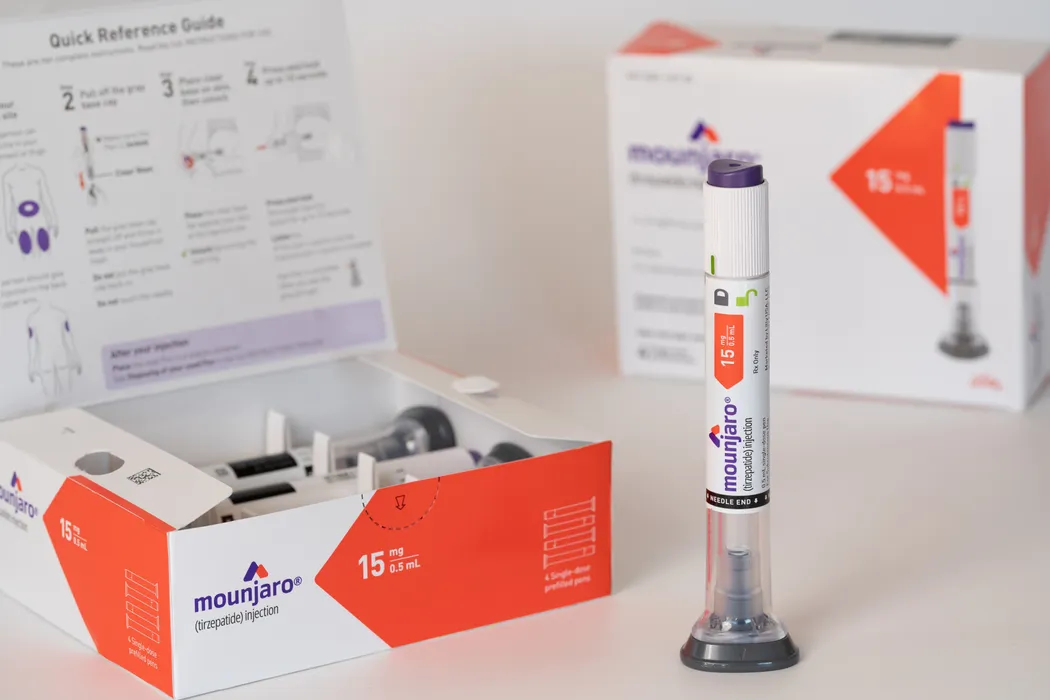
Before we dive into safety, it helps to explain what this drug actually is. Mounjaro is the brand name for a prescription injectable medication called tirzepatide. It is given once a week and is designed to be used alongside diet and exercise to improve blood sugar (glucose) control in adults with type 2 diabetes.

Mounjaro was originally approved by the U.S. Food and Drug Administration (FDA) in 2022 for this purpose. It works by mimicking two natural hormones that influence how your body regulates blood sugar and appetite, making it effective at reducing glucose levels and promoting satiety.

In India, Mounjaro has also been approved by the country’s drug regulator, the Central Drugs Standard Control Organisation (CDSCO), for use in adults with type 2 diabetes and, in many cases, chronic weight management under medical supervision. It has already been launched in vials and, more recently, in a pre-filled pen format, with graduated dosage strengths to suit different treatment plans. Mounjaro must be prescribed by a licensed physician and is not available over the counter.

How Does It Work?

Mounjaro is unique because it targets two key hormone receptors:

  • GLP-1 (glucagon-like peptide-1)
  • GIP (glucose-dependent insulinotropic polypeptide)

These hormones are released by the gut after eating. They help control blood sugar by telling the pancreas to release insulin when glucose levels are high, reducing excessive sugar production by the liver, slowing gastric emptying, and signalling to the brain that you are full.

By acting on both receptors, Mounjaro tends to be more potent than older medications that target only GLP-1 (such as Ozempic or Wegovy). This dual action contributes to its strong effect on blood sugar control and appetite suppression.

Is Mounjaro Safe for Weight Loss?

This is one of the most common questions patients ask today. While Mounjaro is officially approved for the treatment of type 2 diabetes, many doctors prescribe it off-label for weight management due to its strong appetite-suppressing and metabolic effects. In addition, the same active ingredient, tirzepatide, has been approved under a different brand name, Zepbound, specifically for chronic weight loss.

So, is Mounjaro safe for weight loss?

Based on current clinical evidence and expert consensus, the answer is generally yes, with important caveats. The safety profile of tirzepatide remains largely the same whether it is prescribed for diabetes or weight management. However, because it is a potent metabolic drug, careful patient selection and monitoring are essential.

What Do the Studies Show?

Large clinical trials, including the SURMOUNT-1 study, found that participants taking tirzepatide achieved substantial weight loss, up to 15 to 20 per cent of total body weight in some cases. These studies closely tracked side effects and long-term safety markers. Most adverse effects were gastrointestinal and occurred early in treatment, especially during dose escalation.

Medical bodies broadly agree that tirzepatide can be safe and effective for weight loss when prescribed appropriately. However, it is not a cosmetic or short-term solution. The medication works by altering gut hormones and slowing digestion, which means it must be used thoughtfully and under supervision.

Safety for weight loss depends heavily on:

  • Your medical history: Conditions such as a history of pancreatitis, certain thyroid cancers, or severe gastrointestinal disorders may make it unsuitable.
  • Medical supervision: It should only be used under the guidance of a qualified healthcare provider who can monitor side effects and adjust dosage.
  • Lifestyle factors: Mounjaro is intended to support diet and exercise, not replace them. Long-term success depends on sustainable nutrition and physical activity.

In India as well, endocrinologists and obesity specialists are increasingly using tirzepatide-based therapies under strict medical supervision, particularly given the country’s high burden of diabetes and metabolic disease. As with any powerful medication, safety lies not just in the drug itself, but in how, why, and for whom it is used.

The Common Side Effects

When assessing is Mounjaro safe, it is essential to look beyond clinical approval and understand how the medication affects everyday life. Most people experience some side effects, particularly during the first few weeks of treatment or after a dose increase. These effects are usually mild to moderate and often improve as the body adapts.

Because Mounjaro slows gastric emptying and alters appetite signals in the brain, the majority of side effects are related to the digestive system.

Gastrointestinal Issues

The most frequently reported side effects include:

  • Nausea: This is the most common side effect and tends to occur soon after starting treatment or increasing the dose. It often improves over time as the digestive system adjusts.
  • Diarrhoea: Some individuals experience loose or frequent stools, particularly in the early stages of therapy.
  • Decreased appetite: Reduced hunger is expected and often helpful for weight loss, but in some cases it may lead to eating too little, which can contribute to fatigue or weakness.
  • Vomiting: This is more likely if large meals are eaten or if food is consumed quickly despite feeling full.
  • Constipation: Slower digestion can lead to harder stools or less frequent bowel movements.
  • Indigestion or acid reflux: A burning sensation in the chest, bloating, or upper abdominal discomfort may occur, especially after heavy or fatty meals.

Tips for Managing Side Effects

Healthcare providers often suggest practical steps to minimise discomfort:

  • Eating smaller portions and spreading meals evenly across the day
  • Avoiding fried, oily, or very rich foods that are harder to digest
  • Drinking sufficient water to support bowel regularity and prevent dehydration
  • Eating slowly and stopping as soon as you feel comfortably full

In most cases, these side effects lessen within a few weeks. If symptoms are severe, persistent, or worsen over time, it is important to consult your doctor, as a slower dose increase or temporary dose reduction may be needed.

Serious Risks and Safety Warnings

While mild digestive symptoms are common, Mounjaro is a strong medication and does carry important safety warnings. Understanding these risks is essential when deciding whether the treatment is right for you. Tirzepatide, the active ingredient in Mounjaro, comes with an FDA Boxed Warning, which is the most serious type of safety alert.

1. Thyroid Tumours

In animal studies involving rats and mice, tirzepatide caused thyroid C-cell tumours, including a rare cancer known as Medullary Thyroid Carcinoma (MTC). It is not yet known whether the same risk applies to humans, but the finding is taken seriously by regulators and doctors worldwide.

Safety rule: You should not use Mounjaro if you or any close family member has a history of Medullary Thyroid Carcinoma, or if you have a genetic condition called Multiple Endocrine Neoplasia syndrome type 2 (MEN 2). If you notice symptoms such as a lump in the neck, hoarseness, difficulty swallowing, or persistent neck pain, you should seek medical advice promptly.

2. Pancreatitis

Inflammation of the pancreas, known as pancreatitis, has been reported in some people using Mounjaro. This is a serious and painful condition that may require hospital treatment. Warning signs include severe and persistent pain in the upper abdomen that may spread to the back, sometimes accompanied by vomiting. If these symptoms occur, the medication should be stopped and medical help sought immediately.

3. Gallbladder Problems

Significant or rapid weight loss, regardless of the method used, can increase the risk of gallstones and gallbladder inflammation. Some people taking Mounjaro have developed gallbladder-related problems, which may present as pain in the upper right side of the abdomen, nausea, fever, or yellowing of the skin or eyes.

4. Kidney Injury

Nausea, vomiting, and diarrhoea can sometimes be severe enough to cause dehydration. In turn, dehydration may lead to new kidney problems or worsen existing kidney disease. This risk is higher in older adults and those with pre-existing kidney conditions. Drinking adequate fluids and reporting ongoing stomach symptoms to your doctor is important for kidney safety.

5. Severe Gastroparesis (Stomach Paralysis)

Mounjaro works by slowing digestion, but in rare cases this effect may become excessive. There have been reports of severe gastroparesis, where the stomach empties far too slowly. Symptoms can include ongoing vomiting, severe bloating, and difficulty keeping food or fluids down. If these symptoms persist, medical review is essential, as continued use may not be safe.

Overall, these serious risks are uncommon, but they highlight why Mounjaro should only be used under proper medical supervision. Regular follow-up, honest reporting of symptoms, and careful dose adjustments all play a key role in ensuring safe use.
Who Should Avoid Mounjaro?

When considering the question is Mounjaro safe, the answer depends very much on the individual. Although it is effective for many people, Mounjaro is not suitable for everyone, and there are certain situations where it should be avoided entirely.

You should not take Mounjaro if:

  • You are pregnant or breastfeeding: There is currently not enough human data to confirm that Mounjaro is safe during pregnancy or while breastfeeding. Animal studies have shown potential risks to the developing fetus, so doctors generally advise stopping the medication well before trying to conceive.
  • You have a history of pancreatitis: If you have previously had inflammation of the pancreas, taking Mounjaro may increase the risk of another episode. This can be serious and may require hospital treatment.
  • You have Type 1 diabetes: Mounjaro is approved only for Type 2 diabetes. It does not replace insulin and is not suitable for people with Type 1 diabetes.
  • You have severe stomach or digestive conditions: People with significant gastrointestinal disorders, such as existing gastroparesis or chronic severe digestive problems, may find that Mounjaro worsens their symptoms.
  • You have a personal or family history of Medullary Thyroid Carcinoma: Because of the boxed warning linked to thyroid C-cell tumours, Mounjaro should not be used if you or a close family member has had this rare form of thyroid cancer, or if you have Multiple Endocrine Neoplasia syndrome type 2.

If any of these apply to you, it is important to discuss alternative treatment options with your healthcare provider. Never start or stop Mounjaro without medical advice, as individual risk factors play a major role in determining safety.

Interactions with Other Medications

Safety is not only about the medicine itself, but also about how Mounjaro interacts with other treatments you may be taking. Some combinations require extra care and medical guidance.

Birth Control Pills

Because Mounjaro slows down how quickly food and medicines move through the stomach, it can affect how well oral medications are absorbed. This is particularly important for birth control pills.

There is evidence that Mounjaro may reduce the effectiveness of oral hormonal contraceptives, especially when you first start the medication or when the dose is increased.

Recommendation: Doctors usually advise switching to a non-oral form of contraception, such as an intrauterine device or injection, or using an additional barrier method like condoms. This precaution is typically recommended for at least 4 weeks after starting Mounjaro and for 4 weeks after each dose increase.

Insulin and Other Diabetes Medicines

If you take Mounjaro alongside insulin or medicines called sulfonylureas, such as glipizide or gliclazide, the risk of hypoglycaemia increases. Hypoglycaemia occurs when blood sugar levels drop too low and can cause symptoms such as dizziness, sweating, shakiness, or confusion.

To reduce this risk, your doctor may adjust your insulin or sulfonylurea dose when Mounjaro is introduced. Regular blood sugar monitoring is especially important during this period to ensure levels remain stable and safe.

Always inform your healthcare provider about all the medicines you are taking, including over-the-counter drugs and supplements, before starting Mounjaro.

The Long-Term Perspective

Mounjaro is still considered a relatively new medication, having received FDA approval in 2022. This means we do not yet have decades of real-world data on its long-term use in humans. That said, Mounjaro belongs to a broader group of medicines known as GLP-1–based therapies, which have been prescribed and closely studied for more than 15 years. Overall, this class of drugs is widely regarded as safe and effective for long-term management when used appropriately.

Doctors now recognise both Type 2 diabetes and obesity as chronic, long-term conditions rather than short-term problems. For this reason, treatments like Mounjaro are often viewed as ongoing therapies rather than temporary fixes. When the medication is stopped, many patients experience a return of appetite, gradual weight regain, and a rise in blood sugar levels, particularly if lifestyle changes are not firmly in place.

From a safety perspective, long-term use usually involves regular monitoring. Healthcare providers may periodically check blood sugar levels, kidney function, and other markers to ensure the medication continues to be suitable. As more data emerges over time, guidance on prolonged use will continue to evolve, helping doctors fine-tune treatment plans for individual patients.

Conclusion: Is Mounjaro Safe for You?
 

So, is Mounjaro safe? For most people who meet the eligibility criteria and use the medication under proper medical supervision, the answer is generally yes. It has proven to be an effective option for managing Type 2 diabetes and, in many cases, supporting meaningful weight loss.

That said, safe does not mean risk free. Mild side effects such as nausea and digestive discomfort are common, particularly in the early stages. More serious risks, while uncommon, do exist and should not be ignored. This is why careful screening, regular follow-up, and honest communication with your doctor are essential.

Ultimately, Mounjaro is best viewed as a medical tool, not a quick fix. If it is used for the right reasons, in the right patient, and with ongoing medical guidance, it can offer significant benefits. The key is making an informed decision that balances potential gains with your personal health history and long-term goals.

FAQs

Does Mounjaro cause cancer?

Mounjaro carries an FDA warning related to thyroid C-cell tumours based on studies in rodents. At present, it is not known whether Mounjaro causes these tumours in humans. As a precaution, people with a personal or family history of Medullary Thyroid Carcinoma (MTC) or Multiple Endocrine Neoplasia syndrome type 2 (MEN 2) should not take Mounjaro.

Is Mounjaro safer than Ozempic?

Both medications are generally considered safe and have similar side effect profiles, with digestive symptoms being the most common. Mounjaro acts on two receptors, GIP and GLP-1, while Ozempic targets only GLP-1. Some studies suggest Mounjaro may lead to greater weight loss, but overall safety levels are comparable. Which option is safer depends on individual tolerance, medical history, and how the body responds.

What happens if I stop taking Mounjaro?

Mounjaro is a treatment, not a permanent cure. If you stop taking it, appetite often returns to previous levels and blood sugar control may worsen. Clinical studies show that many people regain a significant portion of the weight they lost after discontinuing the medication, particularly if lifestyle changes are not maintained.

Can I take Mounjaro if I do not have diabetes?

Mounjaro is approved for the treatment of Type 2 diabetes. However, doctors may prescribe it off-label for weight loss. In addition, the same active ingredient, tirzepatide, is approved under the brand name Zepbound specifically for chronic weight management. It should only be used if prescribed and monitored by a qualified healthcare professional.

How long does it take for Mounjaro to leave your system?

Mounjaro has a half-life of around 5 days, meaning it takes about 5 days for half of the drug to leave your body. In most people, it takes roughly 4 to 5 weeks for the medication to be fully cleared from the system after the final dose.

Apollo 247 Floating Action Button