0

In this article

  • What Is Mounjaro and How Does It Work?
  • Common Short-Term Mounjaro Side Effects
  • Serious Side Effects to Watch For
  • Mounjaro Injection Long-Term Side Effects
  • How to Manage Side Effects?
  • Conclusion

Mounjaro Side Effects: Short Term & Long Term Guide

 Learn about Mounjaro side effects, including short-term reactions and long-term risks. Understand safety concerns, warning signs, and ways to manage side effects.

article image

Apollo Pharmacy

If you have been diagnosed with Type 2 diabetes, or you have been keeping up with newer treatments for weight management, you have probably come across Mounjaro. Known by its generic name, tirzepatide, this once-weekly injection has drawn attention for its strong effects on blood sugar control and its role in weight reduction.

As with any powerful medication, it is natural to have concerns before starting. Many people ask what side effects they might notice in the first few days or weeks, and whether there are risks linked to long-term use. These questions are valid and important.

Understanding possible Mounjaro side effects helps you know what is normal, what may improve with time, and when to seek medical advice. In this guide, we explain both short-term and long-term side effects in clear, simple terms. From early digestive discomfort to potential long-term considerations, this overview is designed to help you feel informed, prepared, and confident as you discuss treatment options with your healthcare provider.
 

What Is Mounjaro and How Does It Work?


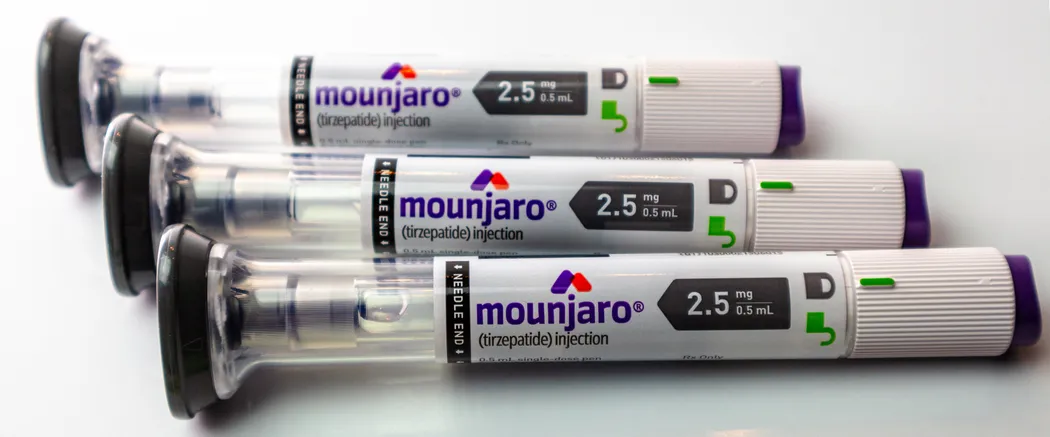
Before discussing side effects, it helps to understand what Mounjaro actually does in the body. Mounjaro is an injectable prescription medicine used along with diet and exercise to improve blood sugar (glucose) control in adults with Type 2 diabetes.

What makes Mounjaro different from many other diabetes medicines is the way it works on two natural hormones:

  • GIP (glucose-dependent insulinotropic polypeptide)
  • GLP-1 (glucagon-like peptide-1)

These hormones are normally released after you eat. They signal the pancreas to release insulin when blood sugar rises and help regulate appetite.

By mimicking both hormones, Mounjaro slows down how quickly food leaves the stomach, a process known as gastric emptying. It also sends signals to the brain that promote a feeling of fullness. This dual action helps lower blood sugar levels and often leads to reduced appetite and weight loss.

However, this same slowing of digestion is also the main reason many people experience early side effects, especially those related to the stomach and gut.
 

Common Short-Term Mounjaro Side Effects

When you first start taking Mounjaro, or when your doctor increases your dose, your body needs time to adjust. This adjustment phase is when short-term side effects are most likely to appear. The majority of these effects involve the digestive system. Clinical studies and real-world patient experiences show that these symptoms are usually mild to moderate and often ease as treatment continues.


Below are the most commonly reported short-term Mounjaro side effects.

1. Nausea and Vomiting

Nausea is the most frequently reported side effect. Because Mounjaro slows stomach emptying, food stays in the stomach for longer. This can create a sensation of being overly full or slightly sick, particularly after large or rich meals. Vomiting may occur in some people, especially during the early weeks or after a dose increase.

Tip: Eating smaller portions more often, rather than three large meals, and avoiding greasy or heavy foods may help reduce nausea.

2. Diarrhoea and Constipation

Changes in bowel habits are very common. Some people experience diarrhoea, while others notice constipation due to slower digestion. It is also possible to alternate between the two as your body adapts.

Tip: Drinking enough fluids throughout the day is essential. If constipation becomes troublesome, gentle fibre intake or a stool softener may help, but only after discussing it with your doctor.

3. Abdominal Pain and Bloating

Stomach discomfort, such as cramping, bloating, or excess ga,s can occur. This is often linked to delayed digestion and gas build-up in the gut. These symptoms are usually temporary and tend to settle as the digestive system adjusts.

4. Decreased Appetite

A reduced appetite is a common effect of Mounjaro and is often part of its benefit for weight loss. However, in some people, appetite suppression can feel too strong, leading to skipped meals or very low calorie intake, which may affect energy levels.
Tip: Focus on nutrient-dense foods and try to eat even if portions are small, to avoid weakness or fatigue.

5. Fatigue

Feeling tired or low in energy is reported by some users, particularly in the first few weeks. This may be related to changes in blood sugar levels, reduced calorie intake, or the body adjusting to the medication.

For most people, these short-term side effects improve over time. If symptoms are severe, persistent, or interfere with daily life, it is important to speak to your healthcare provider, as dose adjustments or supportive measures may be needed.
 

Serious Side Effects to Watch For

While most people tolerate Mounjaro well, there are some serious side effects to be aware of. These reactions are uncommon, but recognising them early is important so that medical care can be sought without delay.

  • Pancreatitis: Inflammation of the pancreas has been reported in some patients. Symptoms include severe, persistent pain in the upper stomach that does not go away and may spread to the back. This pain can occur with or without vomiting. If you experience these symptoms, stop taking the medication and contact your doctor immediately.
  • Hypoglycaemia (Low Blood Sugar): Mounjaro usually does not cause low blood sugar on its own. However, the risk increases when it is taken alongside insulin or sulfonylureas. Warning signs include sweating, shakiness, dizziness, confusion, blurred vision, or feeling faint.
  • Kidney Problems: Severe or ongoing nausea, vomiting, and diarrhoea can lead to dehydration. Dehydration may cause new or worsening kidney problems, especially in people who already have kidney disease.
  • Serious Allergic Reactions: Although rare, allergic reactions can occur. Symptoms such as swelling of the face, lips, tongue, or throat, difficulty breathing, or a widespread rash require urgent medical attention.
  • Gallbladder Problems: Rapid weight loss associated with Mounjaro can increase the risk of gallstones or gallbladder inflammation. Symptoms may include pain in the upper abdomen, fever, nausea, or yellowing of the skin or eyes (jaundice).

If any of these symptoms appear, seek medical advice promptly to reduce the risk of complications.
 

Mounjaro Injection Long-Term Side Effects


Mounjaro was approved for the treatment of Type 2 diabetes relatively recently, in 2022. Because of this, doctors and researchers are still collecting long-term data on people who use the medication for several years. That said, based on existing clinical trials and what is already known about similar GLP-1–based medicines, certain long-term risks and considerations have been identified.

1. Thyroid C-Cell Tumours (Boxed Warning)

The most serious long-term concern is highlighted in the FDA’s boxed warning. In animal studies involving rats, tirzepatide was associated with the development of thyroid C-cell tumours, including Medullary Thyroid Carcinoma (MTC).

  • What this means for humans: It is still not known whether Mounjaro causes these tumours in people. However, as a precaution, Mounjaro should not be used if you:
  • Have a personal or family history of Medullary Thyroid Carcinoma (MTC)
  • Have Multiple Endocrine Neoplasia syndrome type 2 (MEN 2)

Your doctor will usually screen for these risk factors before prescribing the medication.

2. Potential for Gastroparesis

Mounjaro works by slowing down how quickly the stomach empties food. Over long periods, there is concern that this effect could contribute to severe or persistent gastroparesis, sometimes described as “stomach paralysis.”

While this remains rare, there have been anecdotal reports and ongoing investigations into whether long-term suppression of gastric emptying could lead to chronic digestive symptoms, even after stopping the medication. Symptoms may include ongoing nausea, bloating, early fullness, or vomiting.

3. Muscle Mass Reduction

Rapid and sustained weight loss, regardless of how it is achieved, can result in the loss of both fat and muscle. With long-term use of appetite-suppressing medications like Mounjaro, inadequate protein intake or lack of strength training may increase the risk of sarcopenia, or age-related muscle loss.

Loss of muscle mass can reduce physical strength, lower metabolic rate, and affect mobility over time. Maintaining sufficient protein intake and including resistance or strength-based exercise is important during long-term treatment.

4. Malnutrition and Nutrient Deficiencies

Long-term appetite suppression may increase the risk of nutritional deficiencies if meals are skipped or food choices lack variety. Eating less overall means that meals need to be more nutrient-dense to meet vitamin and mineral needs.

Without careful planning, deficiencies in nutrients such as protein, iron, vitamin B12, or other essential micronutrients may develop over time. Regular dietary review and, in some cases, supplementation may be needed to support long-term health.

As long-term research continues, regular follow-up with your healthcare provider remains essential. Ongoing monitoring helps ensure that the benefits of Mounjaro continue to outweigh any potential risks over time.
 

How to Manage Side Effects?

If you are prescribed Mounjaro, you do not have to simply “push through” uncomfortable symptoms. Many Mounjaro side effects can be reduced with small, practical lifestyle adjustments that support digestion and overall tolerance.

  • Hydrate, hydrate, hydrate: Drinking enough water throughout the day helps ease nausea, prevents constipation, and supports kidney health. Aim for regular sips of clear fluids, especially if you are eating less or experiencing diarrhoea.
  • Adjust your diet: High-fat, fried, and spicy foods are harder to digest and often worsen nausea and bloating. Choosing lighter meals with lean protein, vegetables, and simple carbohydrates can be easier on your stomach.
  • Eat slowly: Mounjaro slows digestion and increases feelings of fullness. Eating too quickly can lead to discomfort, nausea, or vomiting. Take your time with meals and stop eating as soon as you feel satisfied.
  • Rotate injection sites: Mounjaro is injected weekly under the skin of the abdomen, thigh, or upper arm. Rotating the injection site each week helps prevent skin irritation, tenderness, and the formation of lumps under the skin.


If side effects persist, worsen, or interfere with daily life despite these measures, speak to your healthcare provider. A slower dose increase or temporary dose adjustment may help improve tolerance.
 

Conclusion

Mounjaro represents a major advance for people managing Type 2 diabetes and, for some, long-term weight concerns. While the benefits can be meaningful and even life-changing, being informed about possible Mounjaro side effects is an important part of using the medication safely and confidently.

For many people, short-term effects such as nausea, reduced appetite, or digestive discomfort are mild, manageable, and tend to improve as the body adjusts. At the same time, awareness of potential Mounjaro injection long-term side effects, including thyroid-related risks, muscle loss, or nutritional gaps, helps you stay proactive about your overall health.

The key to a safe and successful experience is ongoing communication. Keep your healthcare provider informed about how you are feeling, attend regular follow-ups, and raise concerns early rather than waiting. Managing diabetes and weight is a long-term process, and having the right knowledge and support makes that journey steadier and more sustainable.
 

FAQS

Does Mounjaro cause hair loss?

Hair loss is not a direct chemical side effect of Mounjaro, but it can occur in some people. This is usually due to rapid weight loss, which can trigger a temporary condition called telogen effluvium. In this state, more hair than usual enters the shedding phase. The good news is that this type of hair loss is typically reversible and improves once weight stabilises and nutritional intake is adequate.

Will the side effects go away eventually?

For most people, yes. Digestive side effects such as nausea, diarrhoea, or bloating are most noticeable when starting the medication or after a dose increase, for example when moving from 2.5 mg to 5 mg. As the body adjusts, these symptoms usually lessen over a few weeks. A slower dose increase can also help improve tolerance.

Can Mounjaro affect my mental health?

Mood changes are not listed as a common side effect, but some people report feeling emotionally “flat” or less interested in things they previously enjoyed. This may be linked to changes in appetite and reward pathways in the brain. If you notice low mood, lack of motivation, or depressive thoughts, it is important to speak to your doctor promptly.

Is it safe to take Mounjaro for years?

At present, Mounjaro is considered safe for long-term use when prescribed and monitored appropriately for Type 2 diabetes. Diabetes is a chronic condition, and long-term treatment is often necessary. Your doctor will usually monitor blood sugar, kidney function, and overall health regularly to ensure ongoing safety.

What happens if I stop taking Mounjaro?

Mounjaro helps manage blood sugar and appetite, but it is not a permanent cure. If you stop taking it, appetite suppression fades and blood sugar levels may rise again. Many people regain some of the lost weight unless strong diet and lifestyle habits are maintained. Any decision to stop should be made in discussion with your healthcare provider.

Apollo 247 Floating Action Button