0

In this article

  • What Are These Medications?
  • FDA Approval: The Key Distinction
  • Effectiveness: Which One Works Better?
  • Side Effects and Safety Profile
  • Cost and Insurance Coverage
  • Which Medication Is Right for You?
  • The Importance of Lifestyle Changes

Mounjaro vs Wegovy: Complete Comparison

Confused about the new weight loss shots? We break down the Wegovy vs Mounjaro debate, comparing results, side effects, and costs to help you decide.
 

article image

Apollo Pharmacy

If you have been following health news or scrolling through social media lately, you have almost certainly heard the buzz surrounding a new class of medications changing the landscape of weight loss. For years, diet and exercise were the only reliable tools available. Now, medical science has provided powerful options that tackle obesity at a hormonal level.

Two names, in particular, are dominating the conversation: Mounjaro and Wegovy.

While they share similarities, they are not identical. Understanding the differences between *wegovy vs mounjaro is essential if you are considering discussing these options with your healthcare provider. Whether you are managing Type 2 diabetes or looking to lower your BMI for long-term health, this guide breaks down the science, the results, and the realities of these medications in simple, friendly terms.
 

What Are These Medications?

Before we jump into the comparison, it is helpful to understand what these drugs actually are and how they work in your body. Neither of them are stimulants or "fat burner" in the traditional sense. They are synthetic versions of hormones your body already produces.

Wegovy (Semaglutide)

Wegovy is a brand name for a drug called semaglutide. It belongs to a class of medications known as GLP-1 receptor agonists.

GLP-1 stands for "glucagon-like peptide-1." This is a hormone released in your gut after you eat. It tells your brain, "I’m full," and it slows down how fast your stomach empties. By mimicking this hormone, Wegovy helps you feel satisfied with smaller portions and keeps you feeling full longer.

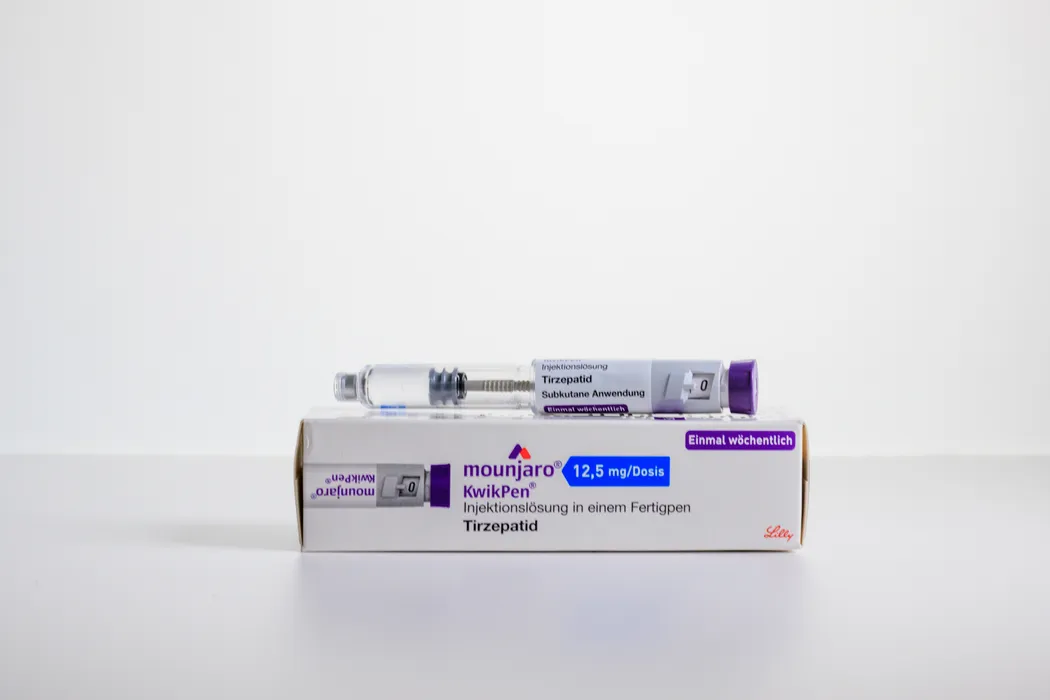
Mounjaro (Tirzepatide)

Mounjaro is the brand name for a drug called tirzepatide. It is slightly different because it is the first medication in a new class called "dual agonists."

Like Wegovy, Mounjaro mimics GLP-1. However, it also mimics a second hormone called GIP (glucose-dependent insulinotropic polypeptide). GIP works alongside GLP-1 to regulate blood sugar and appetite. By targeting two different hormone receptors instead of just one, Mounjaro creates a synergistic effect that many experts believe makes it more potent.
 

FDA Approval: The Key Distinction

When looking at the Wegovy vs Mounjaro landscape, the most important regulatory difference lies in what they are FDA-approved to treat.

  • Wegovy: The U.S. Food and Drug Administration (FDA) has explicitly approved Wegovy for chronic weight management in adults with obesity (BMI ≥30) or overweight (BMI ≥27) who have at least one weight-related condition (like high blood pressure).
  • Mounjaro: As of this writing, the brand name Mounjaro is FDA-approved specifically for the treatment of Type 2 diabetes. However, because it leads to significant weight loss, many doctors prescribe it "off-label" for weight management. 

(Note: The manufacturer of Mounjaro, Eli Lilly, has released the same drug tirzepatide under a different brand name, Zepbound, which is FDA-approved specifically for weight loss.
 

Effectiveness: Which One Works Better?

This is the question everyone wants answered: Which medication produces more weight loss?

Both medications have been studied extensively in large clinical trials, and both have shown results far superior to older weight loss pills.


Wegovy Results

In the STEP clinical trials, adults without diabetes taking Wegovy lost an average of 15% of their body weight over 68 weeks. To put that in perspective, a person weighing 200 pounds might lose around 30 pounds.

Mounjaro Results

In the SURMOUNT-1 clinical trial, participants taking the highest dose of tirzepatide (Mounjaro) lost an average of 21% to 22.5% of their body weight over 72 weeks. For that same 200-pound person, this could mean a loss of roughly 42 to 45 pounds.

  • The Verdict: While both are highly effective, clinical data suggest that Mounjaro (tirzepatide) generally leads to a higher percentage of total body weight loss compared to Wegovy, likely due to its dual-hormone mechanism.Dosage and Administration

The good news for patients is that both medications are relatively easy to use once you get the hang of them.

  • How to take them: Both are injectable medications. They come in pre-filled pens that you inject under the skin (subcutaneously) into your stomach, thigh, or upper arm.
    Frequency: Both are taken just once a week.
  • Titration (Ramping Up): You do not start at the full dose. For both medications, your doctor will start you on a low dose to let your body adjust and reduce side effects. Every 4 weeks, the dose is typically increased until you reach the maintenance dose.
     

Side Effects and Safety Profile

Because these medications work on the gut, the most common side effects are gastrointestinal. When comparing WeGovy vs mounjaro, the side effect profiles are very similar.

Common side effects include:

  • Nausea (very common when starting or increasing dose)
  • Diarrhoea or constipation
  • Vomiting
  • Stomach pain
  • Fatigue
  • Headache

Most of these side effects are mild to moderate and tend to improve as your body gets used to the medication.

Serious Warnings:

Both medications carry a "boxed warning" regarding thyroid C-cell tumours. This risk was observed in rodent studies, but it is not yet known if it applies to humans. Consequently, you should not take these drugs if you have a personal or family history of Medullary Thyroid Carcinoma (MTC) or Multiple Endocrine Neoplasia syndrome type 2 (MEN 2).
 

Cost and Insurance Coverage

Financial accessibility is often the biggest hurdle for patients.

  • Cost: Both drugs are expensive. Without insurance, the list price for a month’s supply ranges from roughly $1,000 to $1,350, depending on the pharmacy and current pricing.
  • Insurance for Wegovy: Since it is approved for weight loss, some commercial insurance plans cover it, though many still do not. Medicare currently does not cover weight loss drugs, though recent legislation allows coverage if prescribed to prevent heart attacks in those with cardiovascular disease.
  • Insurance for Mounjaro: Most insurance plans cover Mounjaro only if you have a diagnosis of Type 2 diabetes. If you do not have diabetes, getting coverage for Mounjaro can be very difficult, and you may have to pay out of pocket or look into the Zepbound branding.

Which Medication Is Right for You?


Choosing between the two is a decision strictly between you and your healthcare provider. Here is a quick summary to help you organise your thoughts:

You might lean toward Wegovy if:

  • You want a medication strictly FDA-approved for weight loss.
  • Your insurance covers anti-obesity medications.
  • You prefer a drug with a slightly longer history of use for weight management.

You might lean toward Mounjaro if:

  • You have Type 2 diabetes (this is the primary indication).
  • You are looking for the maximum possible weight reduction.

You have tried GLP-1s alone (like Wegovy or Ozempic) and didn't see the results you wanted.
 

The Importance of Lifestyle Changes

It is vital to remember that neither Mounjaro nor Wegovy is a "magic wand." They are tools.

In every clinical trial where participants saw success, the medication was combined with a reduced-calorie diet and increased physical activity. These drugs quiet the "food noise" in your brain, making it easier to make healthy choices, but they do not replace the need for those choices.

Focusing on high-protein intake and resistance training (weight lifting) is particularly important while taking these drugs to ensure that the weight you lose is fat, not muscle mass.
 

FAQS

Can I switch from Wegovy to Mounjaro or vice versa?

Yes, it is possible to switch, but it must be done under a doctor's supervision. Because the dosages are different, you cannot simply swap one pen for another. Your doctor will likely start you at a lower dose of the new medication to prevent severe stomach upset.

How long do I have to stay on these medications?

Obesity is considered a chronic disease, much like high blood pressure. Current data suggests that if you stop the medication, the appetite-suppressing effects wear off, and a significant portion of the lost weight is regained. Most doctors view these as long-term maintenance medications.

Do Mounjaro and Wegovy burn fat directly?

No. They do not dissolve fat. They work by regulating appetite and blood sugar. They make you feel full faster and stay full longer, which leads to a calorie deficit. This calorie deficit is what causes the weight loss.

Can people without diabetes take Mounjaro?

Mounjaro is FDA-approved for Type 2 diabetes. However, doctors can legally prescribe it "off-label" for weight loss if they believe it is medically appropriate. Alternatively, patients can ask for Zepbound, which is the same drug (tirzepatide) but FDA-approved for weight loss.

Which one works faster, Wegovy or Mounjaro?

While individual results vary greatly, clinical data suggest that weight loss may occur slightly faster with Mounjaro due to its dual-hormone action. However, both medications require a few months of titrating doses before maximum weight loss speed is achieved.

Apollo 247 Floating Action Button