Healthy nails start with small daily choices — and one of the most important is picking the right nail polish remover. While polish removers may look similar, their ingredients and effects on your nails can vary dramatically. Choosing wisely helps you avoid dryness, brittleness, and long-term damage to your nails and cuticles.
In this guide, we explore which nail polish remover ingredients are safe for regular use, helping you understand the difference between acetone-based, acetone-free, and oil-based formulas. You’ll also find practical usage tips, brand suggestions, and safety advice, especially for those who change nail colours frequently. With the right product, you can maintain glossy, healthy nails without compromise.
Safe Ingredients in Nail Polish Removers for Regular Use
Friendly, simple guide to safe nail polish remover ingredients, recommended acetone-free nail polish remover choices, usage frequency, and kid-safe tips. Find gentle options on apollopharmacy.in.
Apollo Pharmacy
Understanding Different Types of Nail Polish Removers
Not all nail polish removers are created equal. Each formula offers unique benefits and potential drawbacks depending on how often you use it and your nail type. The different types include:
- Acetone-based removers are the most powerful and fast-acting. They break down even the thickest polish layers within seconds. However, they can strip natural oils from nails and surrounding skin, leading to dryness, peeling, and sensitivity when used frequently.
- Acetone-free removers rely on gentler solvents like ethyl acetate or isopropyl alcohol. These remove polish slightly slower but preserve the nail’s natural moisture, making them ideal for weekly or frequent use.
- Oil-based removers include hydrating ingredients such as glycerin, coconut oil, or vitamin E. They nourish cuticles while gently dissolving polish, providing a spa-like experience that’s better for regular maintenance.
- Soaked pads or wipes are pre-moistened with remover and offer mess-free convenience. They’re perfect for touch-ups or travel, though they may contain higher solvent concentrations to compensate for the smaller quantity.
Understanding the type of remover helps you match the right formula to your nail routine — whether you’re a regular polish user or someone who paints nails only for special occasions.


Ingredient Guide — What’s Inside Matters
Reading product labels is essential for protecting your nails and skin. The right remover should clean effectively without causing excessive dryness or irritation. The right ingredients include:
- Acetone is an effective solvent but also highly dehydrating. Prolonged exposure can weaken nail plates and cause white patches or cracks.
- Ethyl acetate and isopropyl alcohol are common alternatives used in acetone-free removers. They dissolve polish more gently but may still cause minor dryness with overuse.
- Look for hydrating ingredients like glycerin, vitamin E, panthenol, or jojoba oil, which help counteract the drying effect of solvents.
- Avoid harsh additives such as formaldehyde, toluene, and dibutyl phthalate (DBP) — these are often found in older or cheaper formulas and can irritate nails and skin.
- Strong synthetic fragrances can trigger allergic reactions or respiratory discomfort, so unscented or lightly scented options are safer for regular use.
Why Acetone-Free Wins for Frequent Users?
It is a win for frequent users. For individuals who repaint nails weekly or bi-weekly, acetone-free removers are safer and gentler. They help maintain nail flexibility and cuticle softness, reducing the risk of brittleness or splitting. Pairing them with cuticle oil or hand cream after use ensures complete hydration and care.
How Often Should You Use Nail Polish Remover?
Overuse of nail polish remover, even acetone-free types, can lead to dehydration and thinning. To maintain balance:
- If you change polish weekly, stick to acetone-free removers enriched with oils or vitamins.
- For occasional use (once or twice a month), acetone-based formulas are acceptable, especially when removing glitter or gel polish.
- When your nails feel dry, brittle, or develop ridges, pause for a few days before your next polish change and apply a nourishing oil daily.
- Always wash your hands and moisturise after using any remover to restore lost moisture.
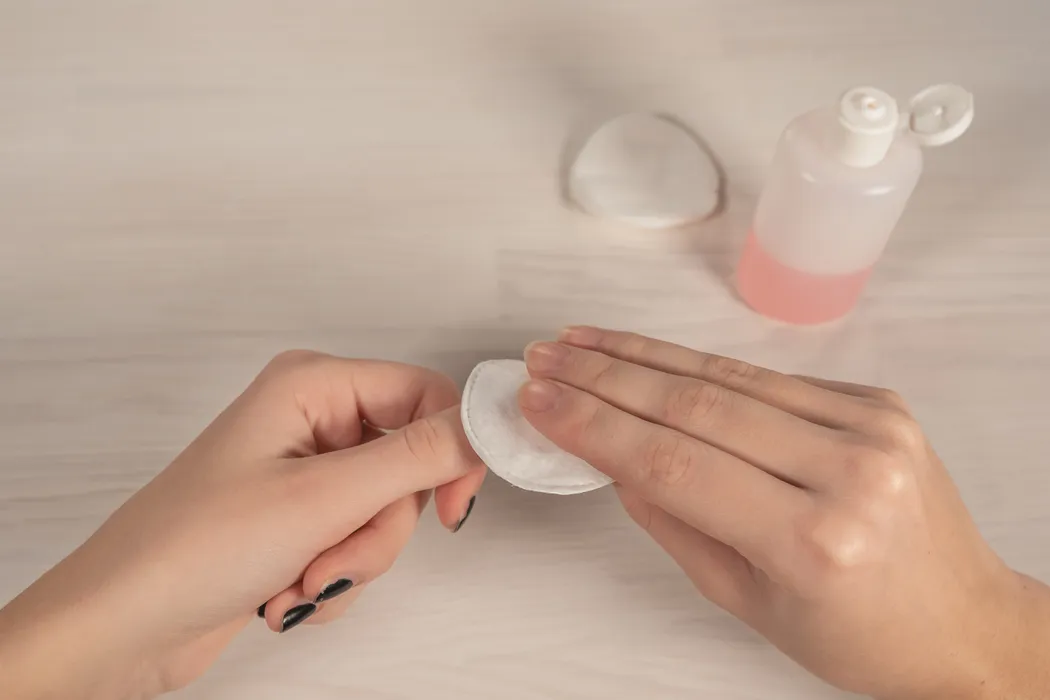
- Avoid soaking nails directly in remover; use cotton pads or wipes instead to limit exposure.
Regular users should focus on moderation and hydration — balance efficiency with gentleness to keep nails smooth and strong.
Best Brands and Where to Buy
High-quality removers are formulated to clean effectively while preserving nail strength. They often include skin-conditioning ingredients and avoid harsh solvents. Some best brands have the following features:
- They are acetone-free and vitamin-enriched removers, ideal for regular use and available at apollopharmacy.in.
- Good nail polish removers are known for their natural extracts and mild formula, suitable for sensitive nails.
- Provide affordable acetone-free options that leave a subtle sheen on nails after cleaning.
- Removers enriched with almond oil provide extra hydration for dry cuticles.
- Remover Wipes, which are compact and convenient for on-the-go polish changes, are available through apollopharmacy.in.
Always check that the label mentions “acetone-free” and includes ingredients like vitamin E, glycerin, or panthenol. These indicate the product is designed with both beauty and safety in mind.
Nail Remover Safety Tips for Kids and Families
While nail polish remover can seem harmless, it must be used with care — especially around children and pets. Follow the tips below:
- Always store removers securely, out of reach of children.
- Choose acetone-free formulas for kids’ use to reduce fume exposure and irritation risk.
- Use a small amount on a cotton pad, not directly from the bottle.
- Supervise any polish removal session to ensure children don’t inhale fumes or spill the product.
- Keep windows open for ventilation and never use near flames, as many removers are flammable.
Teaching safe habits early helps make beauty routines enjoyable and risk-free for everyone.
Smart Post-Removal Nail Care
Removing polish strips away not only colour but also natural oils. Following up with the right care can make all the difference. Follow the tips below:
- Apply cuticle oil or hand cream immediately after using remover.
- Massage in natural oils like almond oil, coconut oil, or olive oil to improve flexibility.
- Give nails a rest between manicures to recover from polish and solvent exposure.
- Maintain a balanced diet rich in biotin and vitamin E for stronger nail growth.
- Avoid layering new polish on brittle or damaged nails; instead, treat them with a fortifying serum first.
These habits help your nails stay glossy and resilient — even with regular polish changes.
Conclusion
The secret to strong, beautiful nails lies not only in polish colour but also in the remover you use regularly. Acetone-based formulas work fast but can be drying, while acetone-free and oil-based removers offer a gentler touch suitable for weekly use. Reading ingredient labels, avoiding harsh chemicals, and moisturising afterwards will protect your nails from long-term damage.
When in doubt, opt for acetone-free nail polish removers enriched with nourishing ingredients like glycerin or vitamin E. They deliver clean results while maintaining nail strength and shine. Explore trusted brands at apollopharmacy.in for reliable, skin-friendly options. With consistent care, your nails can remain healthy, hydrated, and perfectly polished every day.


