Hearing your baby cough can be one of the most stressful experiences for any parent. It is completely natural to feel anxious when your little one is struggling to clear their tiny airways, breathing with a wheeze, or waking up multiple times during the night due to a persistent cough. Fortunately, modern medicine provides safe, fast, and effective ways to help them breathe comfortably. When gentle home remedies are not enough to ease your child’s discomfort, your paediatrician might recommend specific medications to open up their lungs. Among the most common treatments discussed by paediatricians are nebuliser breathing treatments and bronchodilator liquids. In this comprehensive, easy-to-understand guide, we will break down everything parents need to know about nebuliser medicines, Levolin, and terbutaline, helping you feel confident, prepared, and informed about managing your baby’s respiratory health.
Nebuliser Medicines for Baby Cough
Learn about nebuliser medicines for baby cough, including Levolin and terbutaline syrup. Understand how these bronchodilators work, safety tips, side effects, and when to see a doctor.
Dr. Mayank
Why Do Babies Cough?
Before looking into medications, it helps to understand why your baby is coughing in the first place. A cough is actually a healthy, protective reflex. It is the body's natural way of clearing the airways of excess mucus, irritants, or fluids. Most mild baby coughs are caused by common viral infections, like a standard cold, and will resolve on their own with time, rest, and plenty of fluids. There are a few different types of coughs you might hear:
Types of Baby Cough
- Dry Cough: Often caused by a tickle in the throat or the lingering effects of a cold.
- Wet Cough: Sounds "rattly" and is caused by mucus draining down the back of the throat.
- Croupy Cough: Sounds like a harsh seal bark, usually caused by inflammation in the upper airway.
- Wheezing Cough: A tight cough accompanied by a whistling sound when your baby breathes out.
When Do Babies Need Airway Medicine?
The FDA and major health organisations strongly advise against giving standard over-the-counter (OTC) cough suppressants to young children and babies. However, if your baby’s cough is accompanied by a whistling or wheezing sound, or if they are breathing rapidly, the lower airways in their lungs might be inflamed and constricted.
Conditions like bronchiolitis, pediatric asthma, or severe viral respiratory infections can cause the muscles around the air passages to tighten. When this happens, a paediatrician may prescribe a specific type of medicine called a "bronchodilator." This medicine relaxes the lung muscles and widens the airways, allowing oxygen to flow freely.


Terbutaline Syrup for Baby Cough?
When it comes to treating respiratory distress in infants and toddlers, doctors carefully select medications based on the severity of the child's symptoms. You might hear the term terbutaline syrup for a baby's cough during a doctor's visit. But what exactly does this medicine do? Terbutaline belongs to a class of medications known as short-acting beta-2 adrenergic agonists.
In simpler terms, it is a fast-acting bronchodilator. When a baby consumes this medication, it quickly targets the smooth muscles surrounding the tiny airways in their lungs, prompting those muscles to relax. As the muscles relax, the airways open up. This process significantly reduces wheezing, chest tightness, and the persistent, laboured coughing associated with constricted lungs.
While terbutaline syrup for a baby's cough can be highly effective, it is vital to remember that it is a prescription-only medication. It must only be used under the direct, careful supervision of a licensed paediatrician. The dosage must be precisely calculated by a professional based on your baby's exact weight, age, and medical history. Never give terbutaline to your baby without a doctor's explicit instruction.
Levolin: Syrup and Nebuliser Medicines
Another very common medication used to treat breathing difficulties and wheezing in babies is Levolin. The active ingredient in Levolin is levosalbutamol (also known in some regions as levalbuterol). Just like terbutaline, levosalbutamol is a potent bronchodilator that relaxes the airway muscles to relieve severe coughing, wheezing, and shortness of breath. Levolin can be administered to babies in two primary ways: through a nebuliser machine or as an oral syrup.
Nebuliser Treatment
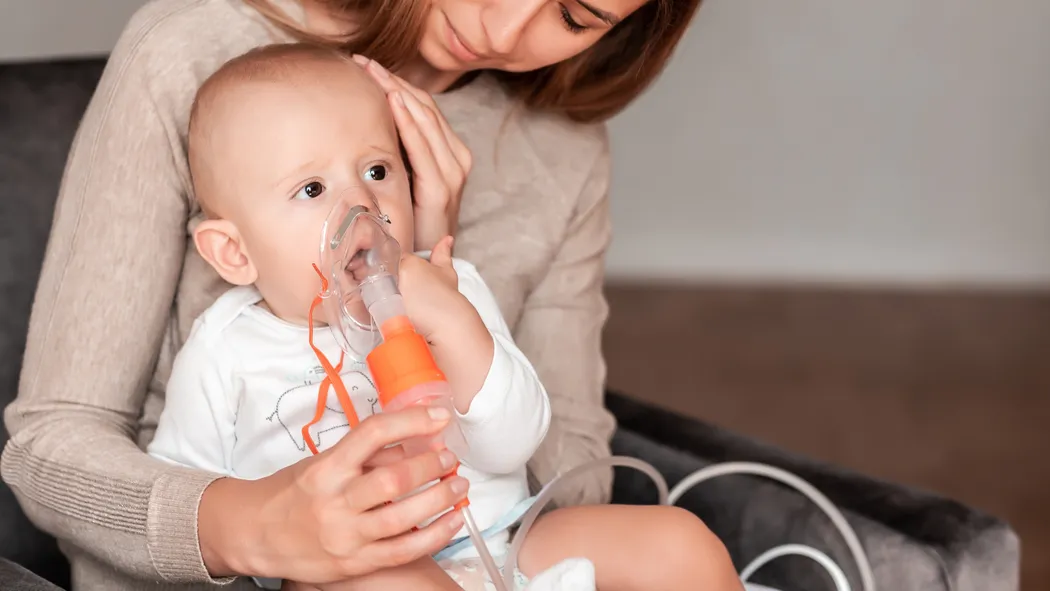
A nebuliser is a small, motorised medical device that turns liquid medicine (like Levolin respules) into a fine, breathable mist. Your baby breathes this mist in through a soft, small mask that fits gently over their nose and mouth. Nebulisers are frequently preferred for young babies because the medicine travels directly into the lungs, where it is needed most. This targeted approach provides rapid relief with a smaller overall dose of medication.
Oral Syrups
In some situations, doctors may prescribe an oral version of a bronchodilator. If your doctor prescribes Levolin syrup for a baby's cough, it is usually because the child needs continuous airway support but does not currently require the immediate, localised intervention of a nebuliser, or because a nebuliser machine is unavailable at home. While oral syrups take slightly longer to start working than nebulised mists, because they must first pass through the baby's digestive system, they are highly effective in keeping the airways open over several hours.
Terbutaline vs. Levolin: Which is Better?
Parents often wonder if there is a major medical difference between these two treatments. Both terbutaline and levosalbutamol belong to the same family of drugs and achieve the identical goal: helping your baby breathe easier by opening up tight airways. The choice between terbutaline syrup for a baby's cough and a Levolin nebuliser treatment depends entirely on your paediatrician's clinical assessment. They will choose the best option by considering:
Factors Considererd
- The exact cause of the cough (e.g., a viral wheeze vs. early signs of asthma).
- Your baby’s exact age and weight.
- The severity of the breathing difficulty.
- How well your baby tolerates wearing a nebuliser mask.
How to Give Nebuliser Medicines and Syrups to Your Baby?
Administering medication to a small baby requires patience, care, and precision. Whether your doctor has recommended a brief nebuliser session or a specific dose of terbutaline syrup for your baby's cough, your baby's safety must always come first.
Safety Tips for Administering Medicine
- Always Use a Proper Measuring Device: When giving oral liquid medicines like levolin syrup for a baby's cough, never use a regular kitchen spoon. Kitchen spoons vary wildly in size. Always use the calibrated oral syringe or precise dosing cup provided by your pharmacy to ensure absolute accuracy.
- Keep Your Baby Calm and Distracted: If you are using a nebuliser, the machine's humming noise and the mist can frighten some babies. Try to administer the treatment while they are sitting upright in your lap. You can sing to them, read a colourful board book, or let them watch a special cartoon to keep them calm so they inhale the medicine properly.
- Never Mix Medicines: Do not mix different nebuliser solutions or cough syrups together unless explicitly instructed to do so by your paediatrician.
- Clean Nebuliser Equipment Thoroughly: If you are using a nebuliser at home, wash the plastic mask and the medicine cup with warm, soapy water after every single use. Let the pieces air dry completely on a clean towel. This vital step prevents bacterial growth that could cause further lung infections.
- Check Expiration Dates: Always check the expiration date on syrups and nebuliser respules before use. Discard any expired medications safely.
Potential Side Effects
Because bronchodilators stimulate the nervous system to relax the lung airways, they can occasionally cause temporary, mild side effects. Common side effects of both Levolin and terbutaline syrup for baby cough may include:
Common Side Effects
- A slightly faster heart rate (palpitations).
- Mild tremors or jitteriness (your baby might seem unusually active, fussy, or restless). An upset stomach or mild nausea.
- Temporary changes in their normal sleep patterns.
These side effects are usually mild and will naturally fade as the medicine wears off in your baby's system. However, if your baby seems extremely irritable, develops a skin rash, starts vomiting repeatedly, or if their breathing actually worsens after taking the medicine, seek emergency medical attention immediately.
Home Care Tips
Alongside prescribed medications like terbutaline syrup for the baby's cough, there are supportive home care steps you can take to make your baby more comfortable:
Helpful Home Remedies
- Saline Drops and Suction: Use over-the-counter saline nose drops to loosen nasal mucus, then gently remove it with a bulb syringe or nasal aspirator. Babies breathe primarily through their noses, so clear nasal passages make a huge difference.
- Hydration: Offer plenty of breastmilk or formula. If your baby is over 6 months old, you can offer small sips of water. Hydration helps thin out thick mucus, making it easier for your baby to cough it up.
- Cool Mist Humidifier: Place a cool-mist humidifier in your baby's room while they sleep. The extra moisture in the air soothes dry, scratchy throats and helps keep nasal passages clear.
When to See a Doctor?
While knowing about prescription medications like terbutaline syrup for a baby's cough is very helpful, it is crucial to recognise when a cough turns into a medical emergency. Take your baby to the doctor, urgent care, or the emergency room right away if you notice any of the following warning signs:
Emergency Warning Signs
- Breathing significantly faster than normal.
- Nostrils flaring open wide with each breath.
- Skin sucking in tightly around their ribs, collarbone, or stomach (known as retractions).
- A blue, purple, or pale tint to their lips, tongue, or face (a sign of low oxygen).
- A cough accompanied by a fever in any baby under 3 months old.
- They are too breathless or exhausted to feed, drink, or cry.
Conclusion
Dealing with a baby’s cough and breathing difficulty can be frightening for parents, but understanding the available treatments can make the situation much more manageable. Medications such as Levolin and terbutaline syrup are commonly prescribed bronchodilators that help relax the airway muscles and make breathing easier for babies experiencing wheezing or severe coughing. When used under proper medical supervision, these treatments can provide quick and effective relief. However, it is extremely important to remember that these medicines should only be given when prescribed by a paediatrician, as the dosage must be carefully adjusted according to your baby’s age, weight, and medical condition. Along with medication, supportive care at home, such as keeping your baby well hydrated, using saline drops, and maintaining a humid environment, can greatly aid recovery.
FAQS
FAQS
Can I give terbutaline syrup for the baby's cough without a prescription?
No, you should never do this. Terbutaline is a potent prescription medication. Giving it to a baby without a doctor’s guidance can lead to incorrect dosing and serious side effects, such as a dangerously rapid heart rate and severe jitteriness. Always consult a licensed paediatrician before giving your baby any cough or breathing medicine.
Is a nebuliser better than cough syrup for babies?
Nebulisers are often preferred by doctors for babies with wheezing or tight airways because the machine delivers the medicine as a fine mist directly into the lungs. This provides faster relief with fewer whole-body side effects compared to oral syrups. However, your doctor will carefully choose the best method based on your child's specific symptoms and needs.
What is the difference between Levolin and terbutaline?
Both are bronchodilators designed to open up the airways and make breathing much easier. Levolin contains levosalbutamol, while terbutaline is the active ingredient in terbutaline syrups. They work very similarly in the body, and a paediatrician will choose one over the other based on your child's medical history.
How long does it take for baby nebuliser medicine to work?
Nebuliser treatments typically begin working very quickly, often within 5 to 10 minutes of starting the breathing treatment. You should notice your baby’s breathing becoming less laboured, quieter, and more relaxed shortly after the session is finished.
Can I use a humidifier instead of a nebulizer?
No. While a cool-mist humidifier is fantastic for adding moisture to the air and soothing a dry throat, it only uses water. It cannot deliver the life-saving medication needed to open deeply constricted airways. If your doctor has prescribed a nebuliser medicine for a wheeze, a humidifier cannot be used as a replacement.


