0

In this article

  • Understanding New Born Baby Acne on Face
  • What Causes New Born Baby Face Pimples?
  • Are Those Small Pimples on New Born Baby Face Actually Acne?
  • How to Treat New Born Baby Face Pimples?
  • What to Avoid When Treating Small Pimples on New Born Baby?
  • When to See a Doctor for New Born Baby Face Pimples?
  • Conclusion

Newborn Baby Acne: Causes & Treatment for Baby Pimples

Learn about newborn baby acne, its causes, symptoms, and safe treatment options for baby face pimples. Discover simple care tips and when to see a doctor.
 

article image

Apollo Pharmacy

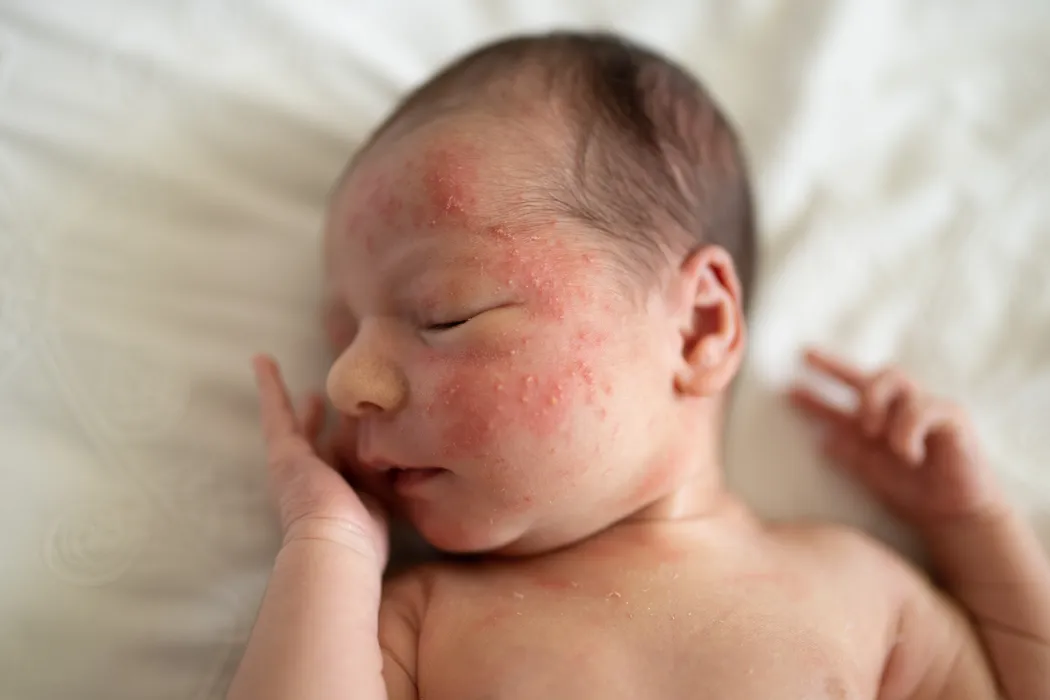
Welcoming a new infant into the world is a beautiful experience, but it also comes with a lot of surprises. One of the most common surprises that catches new parents off guard is the sudden appearance of new born baby face pimples. You expect your little one to have flawlessly soft, smooth skin, so it can be alarming to wake up and see tiny red bumps scattered across their cheeks, nose, and forehead.

Take a deep breath! It is incredibly common to see pimples on new born baby face. This condition is typically harmless, temporary, and entirely normal. In this comprehensive guide, we will explore everything you need to know about baby breakouts. We will cover why they happen, how to distinguish them from other skin conditions, and the safest ways to care for your baby's delicate skin at home.
 

Understanding New Born Baby Acne on Face

Baby acne, medically referred to as neonatal acne or neonatal cephalic pustulosis, is a widespread skin condition. In fact, new born acne affects roughly 20% to 30% of all healthy infants. These breakouts typically show up when the baby is between two to four weeks old, though occasionally a baby is born with them.

If you spot new born baby pimples on face, you will usually find them on the cheeks, nose, forehead, and sometimes the chin. Occasionally, these spots can extend down to the baby's scalp, neck, and upper chest.

Unlike the stubborn acne teenagers get, new born baby face acne is usually very brief. It tends to clear up on its own within a few weeks to a couple of months without leaving any scars or lasting marks.
 

What Causes New Born Baby Face Pimples?

Many parents blame themselves when their baby breaks out, wondering if they used the wrong soap or if they aren’t keeping the baby's face clean enough. Rest assured, new born baby acne has nothing to do with poor hygiene.

While researchers are still studying the exact triggers, the medical community points to a few primary causes:

  • Maternal Hormones: During the final stages of pregnancy, a mother passes her hormones to her baby through the placenta. These lingering hormones can overstimulate the baby's tiny oil (sebaceous) glands, leading to pimples on new born baby.
  • Skin Yeast (Malassezia): Many dermatologists note that new born pimples on face are actually an inflammatory reaction to a very common, harmless type of yeast called Malassezia. This yeast lives naturally on everyone's skin, but a baby’s developing immune system may temporarily react to it.
  • Underdeveloped Pores: A baby’s skin is brand new and highly sensitive. Their pores are still developing, making them more susceptible to becoming clogged by dead skin cells or trapped oils.

Are Those Small Pimples on New Born Baby Face Actually Acne?

Because a baby's skin is so sensitive, they are prone to several different types of rashes. Before assuming you are dealing with acne in new born baby, it is helpful to know what other common infant skin conditions look like.

Here are a few conditions that mimic acne on new born baby:

1. Milia

Milia are tiny, hard white bumps that appear right at birth. Unlike true acne on new born baby face, milia do not have any redness or inflammation surrounding them. They are simply tiny pockets of trapped dead skin cells. They are completely harmless and will naturally flake away within the first month.

2. Erythema Toxicum

Despite its scary-sounding name, this is a very common and harmless newborn rash. It looks like small, red splotches with tiny yellowish or white centers—almost resembling little insect bites. Unlike new born baby pimples, which stay localized to the face and neck, erythema toxicum can pop up anywhere on the body and usually moves around from day to day before fading entirely.

3. Eczema (Atopic Dermatitis)

Eczema usually presents as dry, red, flaky, and itchy patches of skin, rather than individual pimples. It typically shows up a bit later, around one to six months of age. If your baby seems bothered or itchy by the rash, it is more likely eczema than acne.

4. Heat Rash

If you notice red pimples on new born baby during the hot summer months, or if the baby has been bundled in many thick layers, it might be heat rash. Heat rash looks like tiny, clear, or red fluid-filled bumps caused by blocked sweat glands.
 

How to Treat New Born Baby Face Pimples?

The golden rule of treating new born baby face pimples is "less is more." Because a baby’s skin barrier is exceptionally thin and sensitive, aggressive treatments will do much more harm than good. In almost all cases, pimples in new born baby require no medical treatment at all.

However, there are safe, gentle ways to care for your baby's skin to help it heal naturally:

Gentle Daily Skin Care Tips

  • Wash with Warm Water: Keep the baby’s face clean by gently wiping it once or twice a day with plain, warm water and a soft washcloth.
  • Use a Mild Baby Cleanser: If you feel the need to use soap, opt for a mild, fragrance-free, tear-free baby wash. Use it sparingly - no more than once a day - when managing small pimples on face of new born baby.
  • Pat Dry Gently: Never rub a baby’s skin with a towel. Friction can irritate the skin and make the breakouts much redder. Always pat the skin gently until completely dry.
  • Clean Up Spills Immediately: Spit-up milk and drool can pool around the baby's mouth and chin, causing irritation that makes the acne look worse. Gently wipe away milk and saliva as soon as you notice it.
     

What to Avoid When Treating Small Pimples on New Born Baby?

When desperate to get rid of a pimple on new born baby face, parents might be tempted to try popular home remedies or adult skincare products. Please avoid the following:

  • Do Not Pop or Squeeze: Never pinch, pick, or pop a pimple on your baby’s skin. This is painful for the baby, introduces bacteria into the open wound, and can lead to a severe infection or permanent scarring. Leave the small pimples on new born baby completely alone.
  • Avoid Harsh Chemicals: Never use over-the-counter acne treatments formulated for older children or adults. Ingredients like salicylic acid, benzoyl peroxide, or retinoids will burn and severely damage a newborn's delicate skin.
  • Skip the Lotions and Oils: Avoid putting thick baby lotions, petroleum jelly, or baby oils over the acne. These heavy products will clog the baby's tiny pores and make the breakouts last much longer.
  • Do Not Over-Wash: Washing the baby's face multiple times a day will strip their skin of its natural, protective oils, leading to severe dryness and irritation.

When to See a Doctor for New Born Baby Face Pimples?

While new born baby face pimples are standard, there are times when a rash requires a professional medical evaluation. You should contact your paediatrician if:

  • The pimples appear severely inflamed, swollen, or warm to the touch.
  • The bumps begin oozing yellow pus, crusting over, or bleeding (signs of a bacterial infection).
  • Your baby develops a fever along with the rash.
  • Your baby seems unusually fussy, lethargic, or is refusing to feed.
  • The acne does not go away after three to four months. (Acne that develops after the age of 6 weeks is called "infantile acne" and sometimes requires a prescription cream to prevent scarring).

Your paediatrician is your best resource. If you ever feel uneasy about your baby's health or skin, never hesitate to book an appointment.

Conclusion

Newborn baby acne can look concerning, but it is a completely normal and temporary condition that most babies outgrow on their own. Understanding the causes and recognising the difference between acne and other common skin conditions can help you stay reassured and avoid unnecessary treatments.

In most cases, gentle care, minimal products, and a “less is more” approach are all that is needed to support your baby’s delicate skin. Avoid harsh products or home remedies, and allow the skin to heal naturally. If the pimples worsen, show signs of infection, or do not improve over time, consulting your paediatrician is the safest step. With proper care and a little patience, your baby’s skin will soon return to its naturally soft and healthy state.

FAQs

How long do new born baby face pimples usually last?

In most cases, baby acne clears up on its own within a few weeks. Sometimes, it can linger for a month or two. As long as the baby is healthy and the pimples aren't showing signs of infection, patience is the best remedy.

Can breast milk cure new born baby face pimples?

Many parents swear by dabbing a few drops of breast milk on their baby's acne, as breast milk contains natural antibodies and antimicrobial properties. While it is generally safe to try, most pediatricians recommend simply keeping the face clean with plain warm water.

Does my diet affect my breastfed baby's skin?

Baby acne is linked to maternal hormones passed during pregnancy, not specifically what you eat while breastfeeding. Unless your baby is showing other signs of a food allergy (like bloody stools, severe eczema, or vomiting), there is usually no need to restrict your diet because of standard baby acne.

Can baby acne leave scars?

Standard neonatal acne rarely, if ever, leaves scars. The only way it typically causes a scar is if the pimples are picked at, popped, or become infected. Always leave the bumps alone to heal naturally.

Is there a difference between baby acne and infantile acne?

Yes. Neonatal acne (baby acne) appears within the first month of life and goes away quickly without intervention. Infantile acne develops later, usually between 3 to 6 months of age. Infantile acne is more likely to feature blackheads, whiteheads, and deeper cysts, and it may require treatment by a pediatric dermatologist to prevent scarring.

Apollo 247 Floating Action Button