Welcoming a new baby into the world is a beautiful, exciting, and sometimes overwhelming journey. As a new parent, one of the most critical decisions you will make is how to feed your little one. While health organisations like the World Health Organisation (WHO) and the Mayo Clinic recommend exclusive breastfeeding for the first six months of life, this is not always possible or the right choice for every family. Fortunately, today’s infant formulas are highly advanced, strictly regulated, and designed to provide all the essential nutrients your baby needs to grow healthy and strong. If you are standing in the baby aisle searching for best newborn baby milk powder,, you are not alone. The sheer variety of brands, stages, and ingredients can make any parent’s head spin. In this comprehensive guide, we will break down everything you need to know about infant formula. From understanding the different types of milk powder to learning how to prepare it safely, this article will help you make a confident, informed decision for your baby.
Newborn Baby Best Milk Powder: A Guide to Formula Options
Discover the best milk powder for newborn babies. Learn about infant formula types, key nutrients, safe preparation tips, and how to choose the right formula for your baby’s growth.
Dr. Mayank


Best Milk Powder for the Newborn Baby: Why it Matters?
In the first year of life, your baby will grow at an astonishing rate. Their brain size will double, their digestive system will mature, and their immune system will build its defences. Infant formula is crafted to mimic the nutritional profile of breast milk as closely as possible to support these massive developmental milestones. Choosing the newborn baby's best milk powder ensures your infant receives the correct balance of proteins, fats, carbohydrates, and essential vitamins. However, the "best" formula is not a one-size-fits-all answer; the right choice depends on your baby’s unique digestive system, potential allergies, and age.
Which Types of Formula Milk Powder are Best?
Parents frequently ask their paediatricians which milk powder is best for a newborn baby. The answer largely depends on the base ingredient of the formula. Here are the most common types available on the market:
1. Cow’s Milk-Based Formula
This is the most popular and widely recommended type of formula. However, babies cannot digest regular cow’s milk. To make it safe for infants, the milk is altered the proteins are broken down to make them easier to digest, and extra nutrients, like iron, are added. For the vast majority of healthy, full-term babies, a cow’s milk-based powder is the ideal starting point.
2. Soy-Based Formula
If a family follows a strict vegan diet, or if a baby has a temporary intolerance to the lactose found in cow's milk, a paediatrician might recommend a soy-based formula. These formulas use a plant-based soy protein isolate. It is important to note that you should always consult your baby's doctor before switching to soy, as some babies who are allergic to cow’s milk protein may also be allergic to soy.
3. Hypoallergenic (Extensively Hydrolysed) Formula
Some babies are born with a Cow’s Milk Protein Allergy (CMPA). For these infants, standard formulas can cause severe gas, fussiness, rashes, or bloody stools. Hypoallergenic formulas contain proteins that are "extensively hydrolysed," meaning they are broken down into incredibly tiny pieces so the baby's immune system does not react to them.
4. Specialised Formulas
There are also specialised formulas designed for premature babies who need extra calories, formulas thickened with rice starch for babies with severe acid reflux, and amino acid-based formulas for infants with extreme, multiple food allergies
Adjusting to Your Baby’s Age: From 2 to 10 Months
Infant formulas are often categorised into stages based on a baby's age. This is because a baby’s nutritional requirements shift as they grow larger and begin eating solid foods. When choosing a 2-month baby formula milk, you generally want to look for a "Stage 1" or newborn-specific formula. These powders are highly specialised to be gentle on tiny, immature tummies. They often have a specific ratio of whey to casein (the two main proteins in milk) that mimics early breast milk, making it easier for a newborn to digest quickly.
As your baby grows, their diet will change. Around six months, you will likely introduce purees and solid foods. Because of this dietary shift, you might consider transitioning to a 10-month baby formula milk, often labelled as "Stage 2" or follow-on formula. These powders typically contain higher levels of calcium and iron to support bone growth and supplement the nutrients they are beginning to get from solid foods. Always talk to your paediatrician before moving to a new stage of formula to ensure your baby is ready.
Key Ingredients in Milk Powder
When shopping for the best powdered milk for a newborn baby, reading the nutrition label can be incredibly helpful. While all formulas must meet strict guidelines set by health authorities, many brands add beneficial "extras." Here is what to look for:
1.Iron
The Centres for Disease Control and Prevention (CDC) strongly recommends iron-fortified formula. Iron is crucial for creating red blood cells and preventing infant anaemia, which can impact cognitive development.
2.DHA and ARA
These are long-chain fatty acids naturally found in breast milk. They play a vital role in the healthy development of your baby’s brain and eyes.
3.Prebiotics and Probiotics
A healthy gut is the foundation of a healthy immune system. Prebiotics and probiotics help foster good bacteria in your baby’s digestive tract, helping to soften stools and reduce issues like colic and gas.
4.Lutein and Choline
Often paired with DHA, lutein supports eye health, while choline aids in memory and brain development.
How to Prepare the Best Newborn Baby Milk Powder?
Even if you purchase the absolute best newborn baby milk powder on the market, it must be prepared correctly to be safe and nutritious. A baby's immune system is fragile, making strict hygiene during feeding time a top priority. To ensure the newborn baby receives the best milk powder that provides optimal nutrition without risking illness, follow these safety steps:
1. Wash Your Hands
Always wash your hands thoroughly with soap and water before handling baby bottles or formula powder.
2. Sterilise Equipment
For newborns, especially those under three months, born prematurely, or with weakened immune systems, the CDC recommends sterilising bottles, nipples, and rings before each use. You can do this by boiling them for 5 minutes or using an electric steriliser.
3. Prepare the Water
Use safe drinking water. According to WHO guidelines, to protect against rare but serious bacterial infections like Cronobacter, water should be boiled and then allowed to cool slightly (to no less than 70°C or 158°F) before mixing with the powder.
4. Measure Accurately
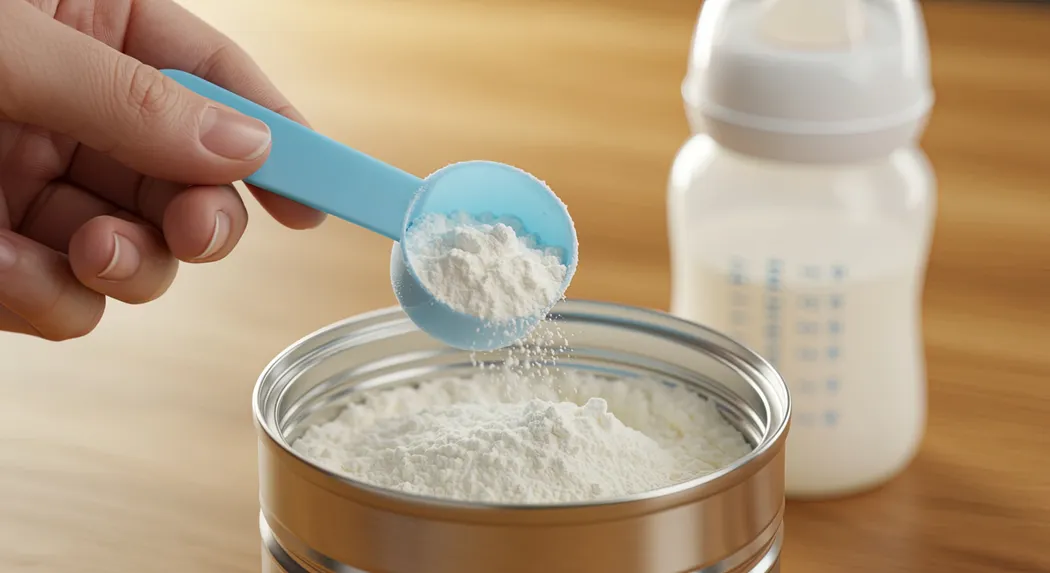
Always use the scoop provided in the formula tin. Never add extra water to stretch the formula, as this dilutes vital nutrients and can cause severe health issues like water intoxication. Conversely, never add extra powder, as this can severely dehydrate your baby and strain their kidneys.
5. Mix and Cool
Cap the bottle and shake it gently to dissolve the powder. Cool the bottle quickly by holding it under running cold water or placing it in an ice bath. Always test the temperature of the milk on the inside of your wrist before feeding it to your baby; it should feel lukewarm, not hot.
Signs Your Baby is Thriving on Their Formula
Once you have chosen the newborn baby's best milk powder, you will want to monitor how your baby responds to it. A baby who is thriving on their formula will generally:
- Gain weight steadily at their paediatrician check-ups.
- Produce at least 6 heavy, wet diapers a day (once they are a few days old).
- Seems relaxed and satisfied after a feeding.
- Have regular bowel movements.
If your baby experiences excessive crying, forceful vomiting, blood in their stool, or a skin rash, contact your healthcare provider. These could be signs of an allergy or intolerance, and your doctor can help you find a gentler alternative.
Conclusion
Choosing the new born baby best milk powder can feel overwhelming at first, especially with the wide range of options available today. However, understanding the different types of infant formulas, the key nutrients they contain, and how to prepare them safely can make the decision much easier. The right formula will support your baby’s rapid growth, provide essential nutrients for brain and immune development, and keep your little one satisfied and healthy. Every baby is unique, and what works perfectly for one infant may not work the same for another. Paying attention to how your baby responds to a particular formula through steady weight gain, comfortable digestion, and overall contentment can help you determine if you have found the right choice. When in doubt, always consult your pediatrician, as they can guide you toward the most suitable formula based on your baby’s health and nutritional needs. Ultimately, whether you choose breastfeeding, formula feeding, or a combination of both, the most important goal is ensuring your baby receives safe, balanced nutrition during their crucial first year of life.
FAQS
FAQS
Can I switch formula brands if my baby seems fussy?
Yes, but it is best to do so cautiously. It is normal to want to find the newborn baby's best milk powder to soothe a fussy baby, but frequently switching brands can actually upset their digestion more. If you suspect your baby's current formula is causing issues like excessive gas or spit-up, consult your paediatrician before making a switch. Give any new formula at least a week to see if your baby adjusts to it.
Do I need to use special bottled water to make baby formula?
Not necessarily. In most developed areas, tap water is safe to use for baby formula. However, the CDC still recommends boiling water for young infants to kill any potential bacteria in the powder itself. If you are unsure about the safety of your local tap water or its fluoride levels, consult your local health department or use distilled or purified bottled water.
Is generic store-brand baby formula as good as name-brand formula?
Yes. All infant formulas legally sold in stores are heavily regulated by government health authorities (such as the FDA in the United States). Generic or store-brand formulas must meet the same strict nutritional and safety standards as expensive name brands. They are a safe, cost-effective option for your baby.
How long is a prepared bottle of formula good for?
Once you have mixed a bottle of formula, it should be consumed within 2 hours if left at room temperature. However, if your baby has started drinking from the bottle, it must be discarded after 1 hour, as bacteria from their mouth can multiply in the milk. An unserved, mixed bottle can be stored in the refrigerator for up to 24 hours.
When can I stop giving my baby formula and switch to regular cow’s milk?
Major health organisations, including the WHO and the American Academy of Paediatrics, strongly advise against giving regular cow's milk as a main drink before a baby turns 12 months old. Cow's milk does not contain enough iron or vitamin C for infants, and its high protein and mineral content can overstress a young baby's kidneys. Stick to formula or breast milk for the entire first year.


