0

Newborn Baby Dry Lips: Causes & Safe Remedies

Learn the common causes of dry lips in newborn babies and discover safe, gentle remedies to keep your baby’s lips soft, hydrated, and healthy.

article image

Dr. Nallapu Siri

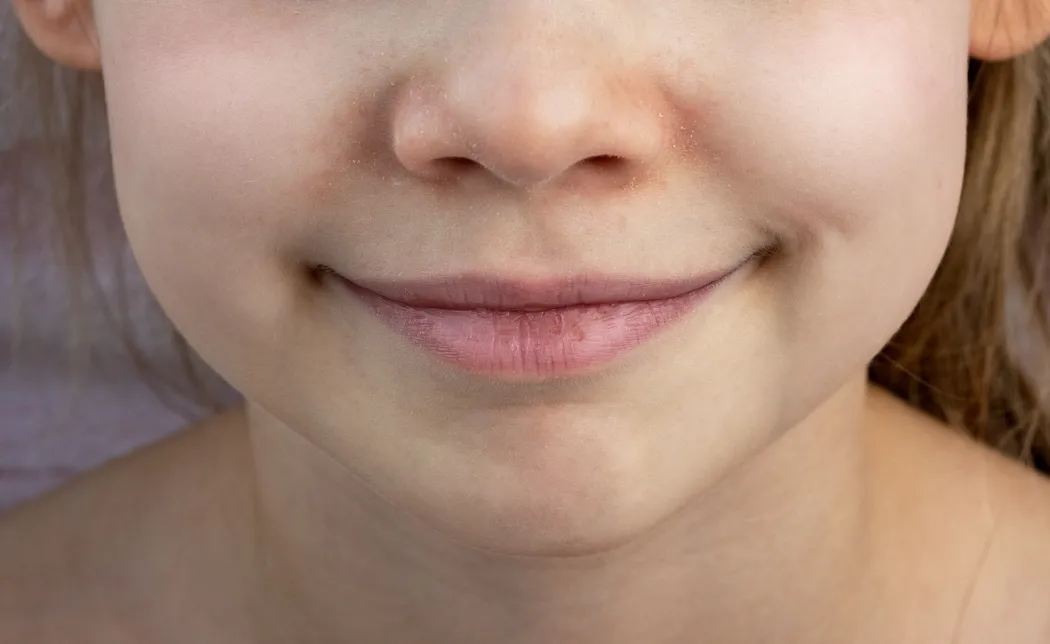
Bringing a new baby home is one of the most joyful experiences in life, but it also comes with a lot of questions and occasional worries. As you spend hours gazing into your little one’s face, you might notice that their delicate skin is peeling, especially around their mouth. Seeing new born baby lips looking dry, cracked, or flaky is incredibly common, but it is also a frequent source of anxiety for new parents.

Because a baby’s skin is much thinner and more sensitive than an adult's, it requires special care. You cannot simply apply your favorite lip balm to your infant’s mouth. Their skin is still adjusting to the outside world, and everything from the weather to their feeding habits can affect it.

In this comprehensive guide, we will explore the exact reasons behind this common issue, share pediatrician-approved safe remedies, and explain exactly what you should avoid. By the end of this article, you will know exactly how to care for your new born baby lips safely and confidently.

Why Do New Born Baby Lips Get Dry?

Understanding why your baby is experiencing dryness is the first step in treating it. Unlike adults, infants do not usually get dry lips just from being out in the wind. Several unique physiological and environmental factors contribute to this condition.

The Transition from the Womb (Skin Peeling)

For nine months, your baby was perfectly moisturised in a protective pool of amniotic fluid. They were also covered in a thick, waxy white substance called vernix caseosa, which protected their skin from the fluid. Once they are born, the vernix is washed or wiped away, and their skin is exposed to the dry air of the outside world for the very first time.

As a normal part of this transition, the top layer of an infant's skin will naturally dry up and peel off. This process is medically known as desquamation. You will likely notice peeling on their hands, feet, and, of course, their lips.

Friction from Frequent Feeding

Whether you are breastfeeding or bottle-feeding, your baby spends a massive amount of time sucking. This intense, repetitive friction against a breast or a bottle nipple can easily cause new born baby dry lips.

Often, this friction leads to a small, raised area in the center of the top lip. This is commonly called a "sucking blister" or "feeding callus." It might look slightly dry or peeling, but it is completely harmless. In fact, it actually helps your baby get a better, tighter seal during feeding! The blister will naturally peel and fall off on its own, only to reappear a few days later.

Environmental Factors and Weather

Just like adults, babies are highly susceptible to their environment. If the air in your home is exceptionally dry due to air conditioning in the summer or central heating in the winter, the moisture will quickly evaporate from your baby’s skin. Furthermore, exposing your baby to cold, windy weather during outdoor strolls can easily strip away the natural moisture from the sensitive dry lips of new born baby.

Dehydration Warnings

While environmental factors and feeding friction are entirely normal, dry lips can sometimes be an early warning sign of a more serious issue: dehydration. Newborns have very small stomachs and need to feed frequently to stay hydrated. If they are not getting enough breast milk or formula, their bodies will conserve water, leading to a dry mouth and peeling lips.

Signs of dehydration in an infant include:

  • Fewer than 6 wet diapers in a 24-hour period (after the first week of life)
  • Urine that is dark yellow or smells strong
  • A sunken "soft spot" (fontanelle) on the top of their head
  • Lethargy, extreme sleepiness, or lack of energy
  • Crying without producing any visible tears

If you suspect dehydration is causing your baby's dry lips, it is important to contact your pediatrician immediately.
Load more products

Safe Remedies for New Born Baby Lips

When dealing with a newborn, less is always more. You want to avoid introducing unnecessary chemicals, fragrances, or artificial ingredients to their incredibly delicate system. Here are the safest, doctor-recommended remedies to soothe your baby's pout.

1. Breast Milk: The Ultimate Natural Remedy

Breast milk is often referred to as "liquid gold," and for good reason! It is packed with antibodies, healthy fats, and healing properties that protect against infection and deeply moisturize the skin.

  • How to use it: Express a few drops of breast milk onto your clean finger and gently dab it onto your baby’s dry lips. Let it air dry. You can do this safely after every feeding.

2. Pure Petroleum Jelly or Baby-Safe Lanolin


If breast milk isn't enough, or if you are exclusively formula-feeding, you can use a pure, single-ingredient occlusive barrier to lock in moisture.

  • Petroleum Jelly: Highly refined petroleum jelly (like Vaseline) is highly recommended by the American Academy of Pediatrics to lock in moisture. It sits on top of the skin, preventing water loss.
  • Medical-grade Lanolin: The same pure lanolin cream you might use to soothe cracked nipples during breastfeeding is perfectly safe for your baby’s lips. It is natural and designed to be safe for babies to ingest in tiny amounts.
  • How to use it: Apply a very thin, almost invisible layer to your baby’s lips before they go to sleep or before going outside into cold weather.

3. Cool Mist Humidifiers

If the air in your home is dry, treating the environment is just as important as treating the lips themselves. Adding moisture back into the air will help resolve new born baby dry lips and prevent their nasal passages from drying out, which helps them breathe and sleep better.

  • How to use it: Place a cool-mist humidifier in the room where your baby sleeps. Avoid warm-mist humidifiers due to the risk of accidental burns. Ensure you clean the humidifier regularly according to the manufacturer's instructions to prevent mold and bacteria buildup.

4. Ensure Proper Hydration Through Feeding

The best way to hydrate a baby's skin is from the inside out. Since newborns cannot drink water, all their hydration must come from frequent feedings. Make sure you are feeding your newborn on demand—typically every 2 to 3 hours, or 8 to 12 times within a 24-hour period. If they are well-fed, their skin will naturally remain much more hydrated.

What NOT to Do for the Dry Lips of New Born Baby?

When trying to help your baby, it is easy to accidentally make things worse. Here are vital things you must avoid when treating your baby:

  • Do Not Pick or Peel the Skin: Never pull off the peeling skin on your baby’s lips. This can cause pain, expose raw skin, and lead to bleeding or bacterial infections. Let the skin fall off naturally.
  • Do Not Use Adult Lip Balms: Avoid using your personal lip balms or chapsticks on your baby. These often contain menthol, eucalyptus, salicylic acid, artificial flavors, and preservatives. These ingredients can cause severe allergic reactions, stinging, or toxicity if swallowed by an infant.
  • Do Not Give Your Newborn Water: It might seem logical to give a baby a sip of water to cure dry lips, but the World Health Organization (WHO) and the Centers for Disease Control and Prevention (CDC) strictly advise against giving water to babies under 6 months old. Giving water to a newborn can interfere with their ability to absorb nutrients from breast milk or formula and can lead to a dangerous condition called "water intoxication," which causes seizures. Hydration must only come from breast milk or formula.

When to See a Doctor?

Most of the time, the dry lips of new born baby are harmless and can be managed easily at home. However, you should contact your pediatrician if you notice any of the following red flags:

1. Signs of Dehydration: As mentioned earlier, if the dry lips are accompanied by a sunken soft spot, lack of tears, or fewer wet diapers, seek medical help immediately.

2. Bleeding or Deep Cracking: If the lips are cracking deeply and bleeding constantly, your baby may be in pain and might require a prescription-grade ointment.

3. Signs of Infection: If the lips look extremely red, swollen, warm to the touch, or are oozing yellow pus, this indicates a bacterial infection that requires prompt medical treatment.

4. Fever: Any temperature of 100.4°F (38°C) or higher in a baby under two months of age is considered a medical emergency.

Load more products

Conclusion

Dry lips in newborns are a common and usually harmless part of their early adjustment to the outside world. In most cases, simple factors like skin peeling, feeding friction, or environmental dryness are responsible—and they can be easily managed with gentle, safe care.

By sticking to pediatrician-approved remedies such as breast milk, maintaining proper hydration through regular feeding, and protecting your baby’s skin from harsh conditions, you can keep your newborn’s lips soft and comfortable. Just as importantly, avoiding unsafe practices like using adult lip products or giving water ensures your baby’s safety.

While mild dryness is normal, always stay alert to warning signs like dehydration, infection, or persistent cracking. When in doubt, consulting your pediatrician is the best way to ensure your baby’s health and well-being.

Disclaimer: This article is for informational purposes only and does not substitute professional medical advice. Always consult your pediatrician if you have concerns regarding your newborn's health or feeding habits.
 

FAQS

Why are my new born baby lips peeling so quickly after birth?

Peeling lips are completely normal during the first few weeks of life. Your baby is shedding the outer layer of skin that protected them while they were submerged in amniotic fluid inside the womb. This process is natural and usually resolves on its own within a month.

Is it safe to use coconut oil on new born baby lips?

Yes, pure, unrefined, cold-pressed coconut oil is generally safe and serves as a natural moisturizer. However, because infants have very sensitive skin, it is usually better to stick to hypoallergenic, medically recommended options like breast milk or pure petroleum jelly unless advised otherwise by your pediatrician.

What is the white blister on my baby's top lip?

This is known as a "sucking blister" or "feeding tubercle." It is caused by the vigorous friction of your baby sucking on a breast or bottle. It is completely painless, normal, and actually helps your baby maintain a proper latch during feeding.

Can I give my baby water to cure their new born baby dry lips?

No. You should never give water to a baby under six months of age. Their kidneys are not mature enough to handle plain water, and it can cause life-threatening imbalances in their sodium levels. Always hydrate your baby using only breast milk or infant formula.

How can I prevent the dry lips of new born baby during winter?

To protect your baby's lips during colder months, run a cool-mist humidifier in their nursery to keep the indoor air moist. Before taking them outside in the cold wind, apply a very thin layer of baby-safe lanolin or pure petroleum jelly to their lips to act as a protective barrier against the harsh weather.

Apollo 247 Floating Action Button