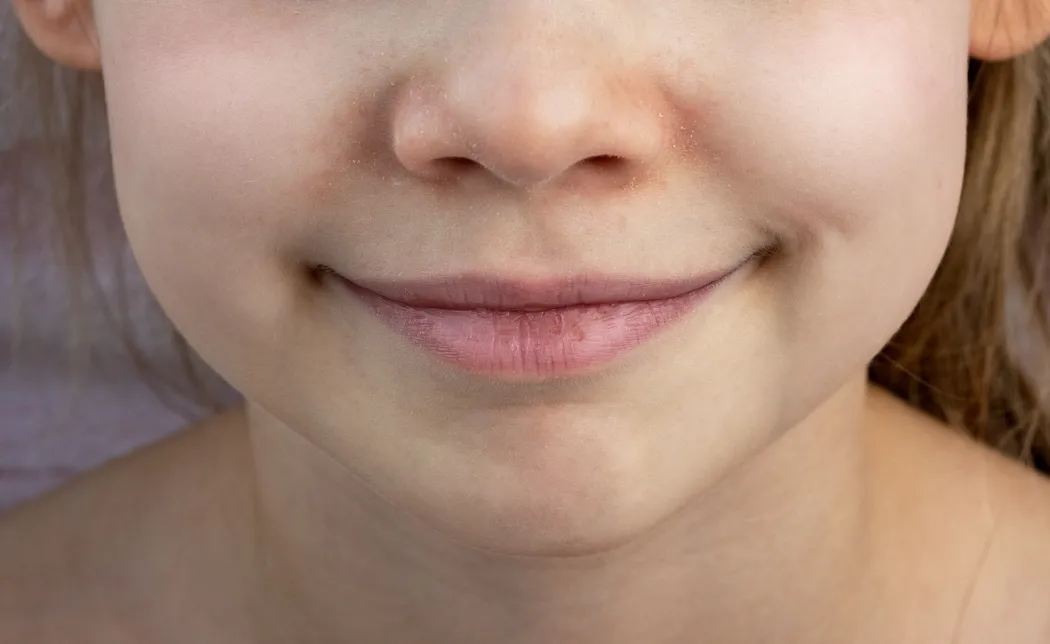
Understanding why your baby is experiencing dryness is the first step in treating it. Unlike adults, infants do not usually get dry lips just from being out in the wind. Several unique physiological and environmental factors contribute to this condition.
The Transition from the Womb (Skin Peeling)
For nine months, your baby was perfectly moisturised in a protective pool of amniotic fluid. They were also covered in a thick, waxy white substance called vernix caseosa, which protected their skin from the fluid. Once they are born, the vernix is washed or wiped away, and their skin is exposed to the dry air of the outside world for the very first time.
As a normal part of this transition, the top layer of an infant's skin will naturally dry up and peel off. This process is medically known as desquamation. You will likely notice peeling on their hands, feet, and, of course, their lips.
Friction from Frequent Feeding
Whether you are breastfeeding or bottle-feeding, your baby spends a massive amount of time sucking. This intense, repetitive friction against a breast or a bottle nipple can easily cause new born baby dry lips.
Often, this friction leads to a small, raised area in the center of the top lip. This is commonly called a "sucking blister" or "feeding callus." It might look slightly dry or peeling, but it is completely harmless. In fact, it actually helps your baby get a better, tighter seal during feeding! The blister will naturally peel and fall off on its own, only to reappear a few days later.
Environmental Factors and Weather
Just like adults, babies are highly susceptible to their environment. If the air in your home is exceptionally dry due to air conditioning in the summer or central heating in the winter, the moisture will quickly evaporate from your baby’s skin. Furthermore, exposing your baby to cold, windy weather during outdoor strolls can easily strip away the natural moisture from the sensitive dry lips of new born baby.
Dehydration Warnings
While environmental factors and feeding friction are entirely normal, dry lips can sometimes be an early warning sign of a more serious issue: dehydration. Newborns have very small stomachs and need to feed frequently to stay hydrated. If they are not getting enough breast milk or formula, their bodies will conserve water, leading to a dry mouth and peeling lips.
Signs of dehydration in an infant include:
- Fewer than 6 wet diapers in a 24-hour period (after the first week of life)
- Urine that is dark yellow or smells strong
- A sunken "soft spot" (fontanelle) on the top of their head
- Lethargy, extreme sleepiness, or lack of energy
- Crying without producing any visible tears
If you suspect dehydration is causing your baby's dry lips, it is important to contact your pediatrician immediately.