Welcoming a newborn into the world is a beautiful and life-changing experience. However, the early days of parenthood also come with a steep learning curve, especially when it comes to nursing. If you are feeling a bit overwhelmed by breastfeeding, you are absolutely not alone. One of the most common challenges new mothers face is simply figuring out how to hold their baby comfortably. Finding the right feeding position for newborn baby success is crucial for both you and your little one. The way you hold your baby directly impacts their ability to latch correctly, how much milk they drink, and how comfortable you feel during those long nursing sessions. In this comprehensive guide, we will explore the best breastfeeding holds, share tips for a pain-free latch, and help you discover the most comfortable positions for your unique nursing journey.
In this article
- Why Does Finding the Right Feeding Position for a Newborn Baby Matter?
- 5 Best Breastfeeding Holds for Your Newborn
- Signs of a Successful Feeding Position for a Newborn Baby
- Tips for a Better Breastfeeding Experience
- When to Seek Professional Help?
- Conclusion
Newborn Baby Feeding Position: Best Breastfeeding Holds
Learn the best newborn baby feeding positions, breastfeeding holds, latch tips, and ways to improve comfort for both mother and baby.
Dr. Bhanu Prakash
Why Does Finding the Right Feeding Position for a Newborn Baby Matter?
Why Does Finding the Right Feeding Position for a Newborn Baby Matter?
Before diving into the specific holds, it is helpful to understand why positioning is so important. When a baby is properly positioned at the breast, feeding becomes a peaceful and bonding experience. When the position is slightly off, it can lead to frustration for both of you. Here is why your nursing posture matters:
- Prevents nipple pain: A poor latch is the leading cause of sore, cracked nipples. Proper positioning helps your baby take enough breast tissue into their mouth, preventing painful friction.
- Ensures adequate milk transfer: When your baby is aligned correctly, they can suck and swallow efficiently. This ensures they get plenty of nutritious milk to grow and thrive.
- Reduces acid reflux and gas: The right hold helps your baby swallow less air, which can significantly reduce uncomfortable gas, spit-up, and colic.
- Protects your body: Nursing takes time. A supportive posture prevents you from developing an aching back, tense shoulders, or a stiff neck.


5 Best Breastfeeding Holds for Your Newborn
5 Best Breastfeeding Holds for Your Newborn
There is no single perfect way to breastfeed. The best hold is simply the one that works for you and your baby in that moment. Here are the five most highly recommended breastfeeding holds by lactation consultants and paediatricians.
1. The Cross-Cradle Hold
The cross-cradle hold is widely considered the best feeding position for a newborn baby learning to latch. Because it gives you maximum control over your baby’s head and neck, it is highly recommended for the first few weeks of life.
How to do it:
- Sit up straight in a comfortable chair with pillows supporting your back
- If you are nursing on your left breast, hold your baby with your right arm
- Rest your baby’s body along your right forearm, with their tummy facing your tummy
Use your right hand to gently support the base of their neck and head (do not push the back of their head) - Use your free left hand to support your breast in a U or C shape and guide it to your baby’s lips
2. The Cradle Hold
When you picture a classic newborn baby feeding position, you are likely imagining the cradle hold. While it is very popular, it is often easier to master once your baby has a bit more neck control, usually around one month of age.
How to do it:
- Sit comfortably with your baby resting horizontally across your stomach
- If you are nursing on the right breast, cradle your baby’s head in the crook of your right arm
- Wrap your right forearm around their back to support their body
- Ensure your baby’s ear, shoulder, and hip are in a straight line, with their tummy resting against yours
3. The Football Hold (Clutch Hold)
The football hold is a lifesaver for mothers who have had a caesarean section because it keeps the baby’s weight entirely off the healing abdominal incision. It is also an excellent choice for mothers with large breasts, mothers of twins, or babies who were born prematurely.
How to do it:
- Tuck your baby under your arm on the same side you intend to nurse from (like a football)
- Your baby’s body should rest alongside your ribcage, with their legs pointing toward the back of the chair
- Support their back with your forearm and use the palm of your hand to support the base of their neck and head
- Use a nursing pillow to elevate your baby to breast height so you don't have to lean over
4. The Side-Lying Position
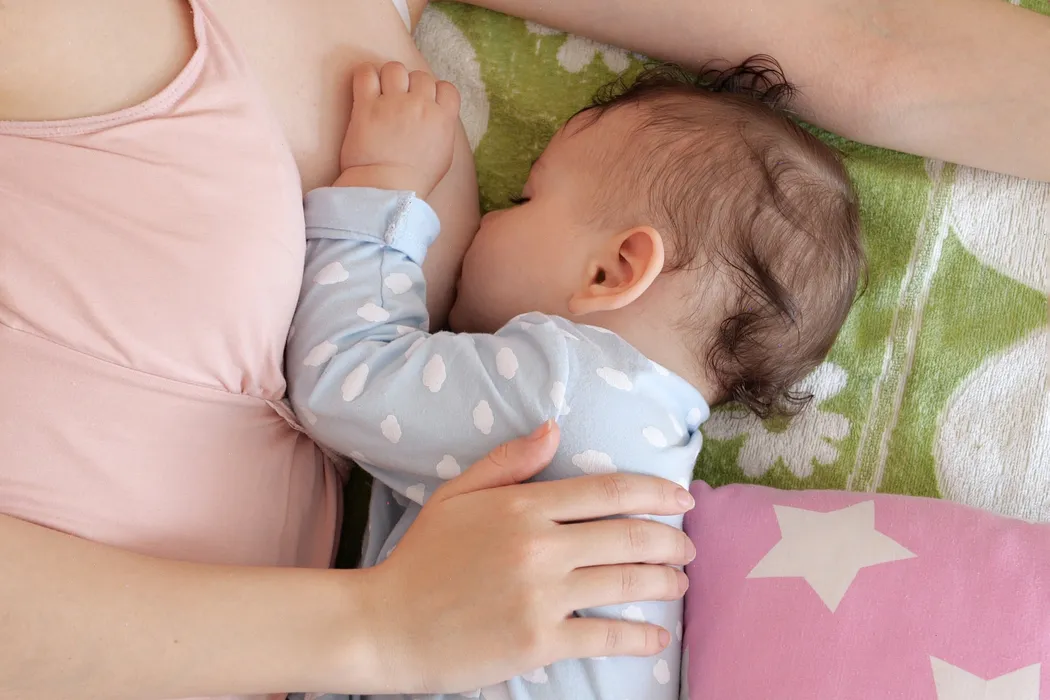
If you are exhausted from night feeds or recovering from childbirth, the side-lying position will be your best friend. This relaxed hold allows you to rest your body while your baby safely feeds.
How to do it:
- Lie down on your side in bed with pillows supporting your head and neck
- Place your baby on their side facing you, so your tummies are touching
- Align your baby’s nose with your nipple
- You can place a rolled-up receiving blanket or a small pillow behind your baby’s back to keep them from rolling away
- Use your lower arm to cradle your baby or place it under your own pillow, using your top hand to guide your breast
5. Laid-Back Breastfeeding (Biological Nurturing)
Laid-back breastfeeding relies on gravity and your baby’s natural feeding instincts. This is a wonderfully relaxing hold that is highly recommended immediately after birth for skin-to-skin contact.
How to do it:
Recline comfortably on a bed or sofa at a 45-degree angle (do not lie completely flat)
Make sure your head and shoulders are well-supported by pillows
- Place your baby tummy-down on your chest
- Gravity will keep your baby securely against your body
- Allow your baby to naturally bob their head and root for the breast


Signs of a Successful Feeding Position for a Newborn Baby
Signs of a Successful Feeding Position for a Newborn Baby
Even if you follow the steps above perfectly, you still need to verify that your baby is latching properly. No matter which hold you choose, look for these telltale signs of a successful nursing session:
- Tummy to tummy: Your baby’s body should be facing yours
- Wide open mouth: Your baby should approach the breast with a mouth open as wide as a yawn
- Flanged lips: Both lips should be turned outward like fish lips
- Asymmetric latch: More areola should be visible above the upper lip than below the lower lip
- Swallowing sounds: You should hear gentle swallowing after active sucking begins
- Comfort for you: Aside from a brief tugging sensation, breastfeeding should not hurt
Tips for a Better Breastfeeding Experience
Tips for a Better Breastfeeding Experience
To make the most out of your chosen feeding position for new born baby routines, keep these essential tips in mind:
Bring baby to breast, not breast to baby: Leaning forward leads to back strain and poor latch.
- Invest in a nursing pillow: It helps elevate your baby to the correct height.
- Create a nursing station: Keep water, snacks, burp cloths, and essentials nearby.
- Stay hydrated and well-fed: Your body needs extra fluids and nutrients while breastfeeding.
- Be patient: Breastfeeding is a learned skill for both mother and baby.
When to Seek Professional Help?
When to Seek Professional Help?
If you have tried adjusting your feeding position for newborn baby feeds but are still experiencing intense pain, or if your baby seems constantly unsatisfied and is not producing enough wet diapers, do not hesitate to ask for help. Reach out to an International Board Certified Lactation Consultant (IBCLC) or your paediatrician. They can assess your baby for physical barriers like tongue-tie and provide personalised guidance. Remember, a fed and loved baby is the ultimate goal. Trust your instincts, be gentle with yourself, and enjoy these fleeting, quiet moments with your newborn.
Conclusion
Conclusion
Finding the right newborn baby feeding position can make breastfeeding more comfortable and effective for both the baby and the mother. Proper positioning helps the baby latch correctly, supports better milk flow, and reduces common issues such as nipple pain, poor feeding, or frequent gas. Positions like the cradle hold, cross-cradle hold, football hold, and side-lying hold each offer unique benefits depending on the baby’s needs and the mother’s comfort.
Every mother-baby pair is different, so it may take a little time to discover which breastfeeding hold works best. Paying attention to your baby’s latch, ensuring their head and body are aligned, and maintaining a relaxed posture can make feeding sessions smoother and more enjoyable. With patience and practice, breastfeeding becomes a natural and comforting routine. If you experience persistent discomfort or feeding challenges, consulting a lactation consultant or paediatrician can provide valuable guidance. Choosing the right feeding position not only improves feeding efficiency but also strengthens the bonding experience between mother and baby.
FAQS
FAQS
How long should a newborn feed on each side?
Every baby is different, but generally a newborn feeds for 15 to 20 minutes per breast. Let your baby guide the feeding duration.
What is the best newborn baby feeding position for infant reflux?
If your baby struggles with reflux, the laid-back position or an upright football hold often works best because gravity helps keep milk down.
How do I know if my baby is getting enough milk?
The best indicators are wet diapers, stool frequency, and healthy weight gain checked by your paediatrician.
Is it normal for breastfeeding to hurt at first?
A mild pulling sensation is normal initially, but severe pain usually suggests a poor latch.
How often should I change my baby's feeding position?
You do not have to change if one works well, but rotating positions can help empty different milk ducts and reduce the risk of clogged ducts.


