0

In this article

  • Is Newborn Baby Hair Fall Normal?
  • Understanding Why Newborn Baby Hair Falls Happens
  • Every Baby is Different: From Bald to Beautiful Locks
  • Gentle Newborn Baby Hair Growth Tips
  • Grooming: When Is It Time For A Newborn Baby Hair Cut?
  • When Should You Consult a Doctor About Hair Fall in a Newborn Baby?
  • Conclusion

Newborn Baby Hair Fall: Is It Normal? Causes & Solutions

Is your newborn losing hair? Learn why baby hair fall is a normal part of development, common causes like hormones, and simple solutions for healthy regrowth.

article image

Dr. Kamran

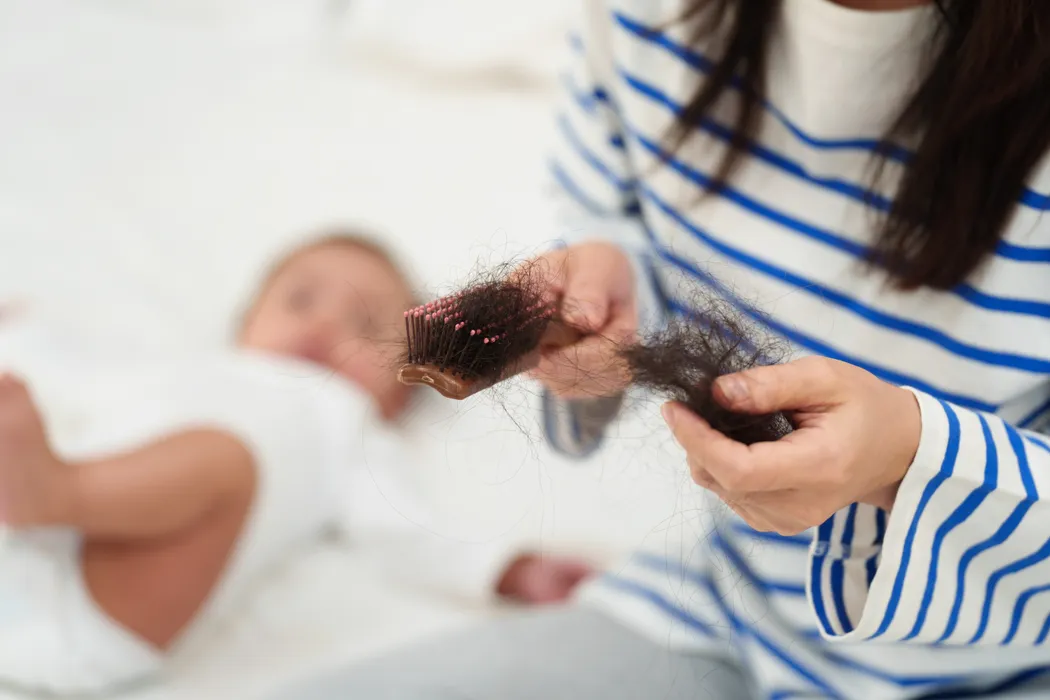
Welcoming a new baby into the world is a beautiful and overwhelming experience. You spend hours gazing at their tiny fingers, toes, and sweet face. But one day, while gently lifting them from their crib, you might notice something alarming: a patch of hair left behind on the mattress.

Seeing hair fall in a newborn baby is incredibly common, yet it causes unnecessary panic for many first-time parents. You might instantly wonder if your baby is sick, lacking nutrients, or dealing with a skin condition.

The good news? In the vast majority of cases, this shedding is a perfectly natural part of your baby’s development. Whether your little one arrived with a thick mop of hair or just a few delicate peach-fuzz strands, changes to their hairline are to be expected. In this comprehensive guide, we will explore why hair falls in newborn babies, how to care for their delicate scalp, and what you can do to encourage healthy hair growth.

Is Newborn Baby Hair Fall Normal?

If you are currently panicking over the hair left behind on your baby’s car seat, take a deep breath. Yes, newborn baby hair fall is normal.

Medical professionals refer to this early infant hair shedding as telogen effluvium. While inside the mother's womb, babies are exposed to high levels of maternal hormones. These hormones keep the baby’s hair in the active growth phase. However, after birth, these hormone levels drop rapidly. This sudden hormonal shift forces the hair into a resting phase, causing it to fall out.

It does not matter if you have a newborn baby with long hair or a baby with just a few wisps; the hormonal drop affects them all. Even a long-haired newborn baby can lose a significant amount of hair in the first few months of life, eventually growing a completely new set of mature hair.

Understanding Why Newborn Baby Hair Falls Happens

Many parents naturally ask, Why does newborn baby hair fall occur so suddenly. While hormones are the primary culprit, there are a few other common causes for hair loss in newborn babies:

1. Hormonal Changes (Telogen Effluvium)

As mentioned, the sudden withdrawal of pregnancy hormones causes the baby's hair follicles to pause their growth cycle. This type of hair fall in a newborn baby usually peaks when the infant is around 8 to 12 weeks old.

2. Friction Alopecia (Crib Baldness)

Take a look at the back of your baby's head. Is there a specific bald patch? Because infants spend so much time lying on their backs in cribs, bassinets, and strollers, they frequently rub the back of their heads against the fabric. This constant friction leads to localized hairfall in new born baby. Once your baby starts sitting up and rolling over, this hair will naturally grow back.

3. Cradle Cap (Seborrheic Dermatitis)

Cradle cap looks like crusty, oily, or scaly patches on a baby's scalp. Sometimes, when these flakes peel off, they take some hair with them. Cradle cap is harmless and usually clears up on its own, but it can contribute to temporary hair loss.

(Note: While checking your baby’s head and face for common conditions like cradle cap, be mindful of other harmless but common infant ailments. For example, oral thrush in a newborn baby is a common oral yeast infection that causes white patches in the mouth. If you spot any concerns on the scalp or in the mouth, your paediatrician can easily guide you.)

Buy Anti Hairfall Shampoo

Every Baby is Different: From Bald to Beautiful Locks

It is fascinating how different babies can look at birth. Some parents welcome a newborn baby without hair, possessing a perfectly smooth, bald little head. Others might notice less hair in a newborn baby compared to older siblings. And then, some welcome a newborn baby with hair so thick it already needs a comb!

No matter how your baby arrives, their newborn hair is usually temporary. The fluffy, fine hair they are born with (known as vellus hair or lanugo) will eventually shed and be replaced by terminal hair, which is thicker and stronger.

Interestingly, the new hair that grows in might look completely different. A baby born with dark, straight hair might shed it, only for blonde curls to take its place. Your baby’s genetics will ultimately determine the texture and colour of their permanent hair.

Gentle Newborn Baby Hair Growth Tips

If your baby is currently going through a shedding phase, you are likely looking forward to seeing their permanent hair come in. While you cannot change your baby's genetics or stop hormonal shedding, there are several safe newborn baby hair growth tips you can practice to keep their scalp healthy and encourage strong newborn hair growth:

  • Maximise Tummy Time: Tummy time isn't just great for strengthening your baby's neck and shoulder muscles; it also gets them off the back of their head. This reduces the friction that causes crib baldness, aiding in newborn baby hair growth.
  • Use a Gentle Shampoo: Wash your baby’s hair no more than two to three times a week. Over-washing can strip the delicate scalp of its natural oils. Use a tear-free, mild baby shampoo.
  • Brush Softly: Use a soft-bristled baby brush to gently stimulate the scalp. This helps remove cradle cap flakes and increases blood circulation, which naturally supports newborn baby hair growth.
  • Avoid Tight Headbands: While cute, tight bows and headbands can pull on fine infant hair and damage fragile follicles. Keep accessories loose and minimal.
  • Nutritious Feeding: Whether you are breastfeeding or formula-feeding, ensuring your baby gets their required daily nutrients is the best way to support overall growth, including their hair.

Grooming: When Is It Time For A Newborn Baby Hair Cut?

As your baby’s new hair starts to grow, it might come in unevenly. You might end up with longer pieces in the front and bald patches in the back. Because of this awkward phase, parents often wonder if it is time for a newborn baby haircut.

In many cultures, newborn baby hair cutting is a celebrated tradition or religious ritual done shortly after birth. Medically speaking, shaving or cutting the hair does not actually make the hair grow back thicker; that is a common myth. Hair thickness is determined by genetics and the size of the hair follicles beneath the skin.

However, if the uneven growth is bothering you, a slight trim is perfectly safe. If you decide to do a newborn baby haircut, follow these tips:

  • Wait until the baby is calm, well-fed, or even asleep.
  • Use blunt-nosed baby scissors rather than sharp clippers to avoid sudden accidents.
  • Keep the newborn baby's hairstyle incredibly simple. The goal is comfort, not a salon-perfect look.

When Should You Consult a Doctor About Hair Fall in a Newborn Baby?

While hair fall in a newborn baby is almost always normal, there are a few rare instances where it warrants a trip to the paediatrician. Consult a doctor if you notice:

  • Red, angry, or bleeding patches on the scalp.
  • Hair loss accompanied by an unexplained fever or lethargy.
  • Complete baldness that shows no sign of newborn hair fall, recovery, or growing back after the baby’s first birthday.
  • Your baby is constantly scratching or rubbing their head, suggesting itchiness or pain.

For the vast majority of infants, a little patience is all that is required. The temporary shedding phase will pass rapidly, making way for your child's beautiful, natural hair.

Conclusion
 

In the vast majority of cases, newborn hair loss (telogen effluvium) is a perfectly normal physiological process. Most babies lose some or all of the hair they were born with during the first six months of life. This occurs as their hormone levels shift after birth, pushing hair follicles into a "resting" phase before new, often different-textured hair grows in.

Most infants will sport a brand-new "permanent" hairstyle by their first birthday. Until then, hair loss is simply a sign that your baby is growing and adjusting to life outside the womb.

FAQs

When does hair fall in a newborn baby start and stop?

Typically, hair fall in a newborn baby begins when the infant is around 8 to 12 weeks old. The shedding phase usually stops around 4 to 6 months of age, at which point you will start to see new, permanent hair growing in.

Is a newborn baby's hair fall normal if they were born with a lot of hair?

Yes. Even if you had a baby born with a very thick head of hair, the drop in pregnancy hormones will still affect them. It is completely normal for them to lose that initial thick hair before their mature hair grows back.

Does shaving my baby’s head improve newborn hair growth?

No. While shaving a baby's head is a cultural tradition in many parts of the world, it does not scientifically change the hair follicle. The new hair might appear thicker simply because the soft, tapered ends of the baby hair were cut off, but shaving does not increase hair density.

How can I treat cradle cap that is causing hair loss?

To safely treat cradle cap, massage a few drops of baby oil or organic coconut oil into your baby's scalp before bath time. Let it sit for a few minutes to soften the flakes, then gently wash it out with baby shampoo, using a soft-bristled brush to gently lift the scales. Never pick or scratch the flakes with your fingernails.

Why does my baby have a bald spot on the back of their head?

This is known as friction alopecia or "crib baldness." Because babies sleep on their backs to reduce the risk of SIDS (Sudden Infant Death Syndrome), their head constantly rubs against the mattress. Implementing more supervised tummy time during the day can help reduce this friction.

Apollo 247 Floating Action Button