0

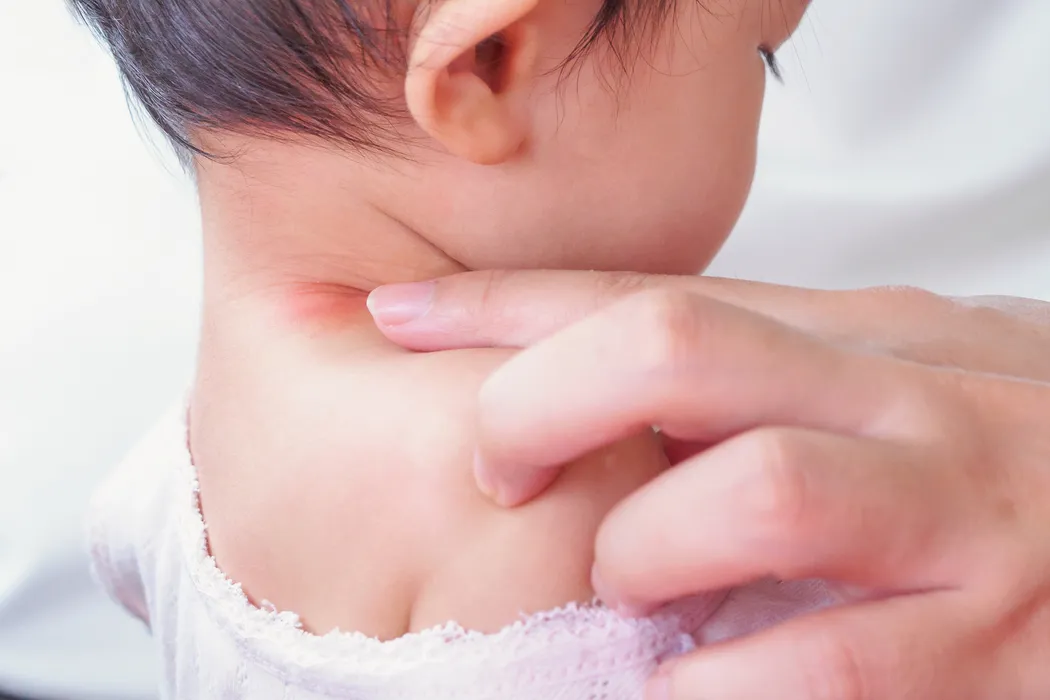
Bringing a new baby home is an exciting, joyful, and sometimes overwhelming experience. As a new parent, you are constantly checking your little one from head to toe, making sure they are perfectly healthy. One day, while admiring those adorable, chubby baby rolls, you might notice something unexpected: a red, irritated patch of skin hidden in their neck folds.

Finding a newborn baby's neck rash can be startling, but rest assured, it is incredibly common. Babies have delicate, highly sensitive skin, and their short, plump necks create the perfect environment for minor skin issues to develop.

In this comprehensive guide, we will explore exactly why your little one might be experiencing this irritation, how to soothe their delicate skin, and simple steps you can take to keep those cute neck folds clean, dry, and rash-free.
 

Why Does a Newborn Baby's Neck Rash Happen?

To understand how to treat a rash, it helps to know what is causing it. Because babies have less-developed sweat glands and highly sensitive skin, they are prone to various rashes. A newborn baby's neck rash is usually caused by one of the following factors:

1. Friction and Moisture (Intertrigo)

The most common cause of a neck rash in babies is intertrigo. Babies spend a lot of time looking down or lying on their backs, which causes their skin to fold over on itself. When skin rubs against skin, it creates friction. If moisture from sweat, drool, or milk gets trapped in these deep neck folds, the skin becomes red, inflamed, and raw.

2. Drool and Milk Spills

Babies are messy eaters, and they often drool, especially when they are teething or learning to swallow. Milk, formula, and saliva frequently dribble down their chins and settle right into the creases of their neck. If these liquids are not gently wiped away, they can break down the skin's protective barrier, leading to infant skin irritation and redness.

3. Heat Rash (Prickly Heat)

Babies cannot regulate their body temperature as well as adults can. If your baby is dressed in too many layers, or if the weather is hot and humid, their sweat glands can easily become blocked. This leads to a heat rash, medically known as miliaria. A heat rash typically looks like tiny, raised red bumps or tiny, clear blisters nestled in the neck folds, chest, or back.

4. Yeast Infection (Candida)

Because baby neck folds are dark, warm, and often damp, they create an ideal breeding ground for yeast (fungus), specifically Candida. A yeast infection rash is usually bright, beefy red and may have slightly raised borders. You might also notice smaller red bumps (called "satellite lesions") spreading just outside the main rash area. Unlike a simple friction rash, a yeast infection will not go away with standard moisturising creams and requires specific treatment.

5. Eczema (Atopic Dermatitis)

If the rash is incredibly dry, scaly, and itchy, it might be eczema. Eczema can appear anywhere on a baby's body, including the neck. It is often triggered by irritants like harsh laundry detergents, scented baby lotions, or scratchy fabrics.

Buy Body Lotion

Load more products

How to Treat a Newborn Baby's Neck Rash?

If you notice a red rash under your baby's chin, there is usually no need to panic. Most minor neck rashes can be treated at home with some simple hygiene adjustments. Here is a step-by-step guide to soothing your baby's neck:

1. Keep the Area Clean

Gently wash the neck folds once or twice a day using warm water and a soft, clean washcloth. If you need to use soap, ensure it is a mild, fragrance-free baby wash. Avoid rubbing or scrubbing, as this will only worsen the irritation. Instead, gently dab and pat the skin.

2. Keep the Area Completely Dry

Moisture is the enemy of a neck rash. After washing your baby's neck, the most important step is to make sure the area is 100% dry. Use a soft towel to gently pat the folds dry. Some parents find it helpful to gently blow cool air (using a piece of paper as a fan) on the neck folds to ensure all hidden moisture is gone.

3. Apply a Healing Barrier Ointment

Once the skin is completely dry, apply a thin layer of a barrier ointment. Products containing petroleum jelly (like Vaseline or Aquaphor) or zinc oxide (standard diaper rash creams) work wonders. These creams create a protective shield over the skin, preventing friction and keeping drool and sweat from irritating the area further.

4. Dress for the Weather

To prevent your baby from overheating and developing a heat rash, dress them in loose, breathable fabrics like 100% cotton. Avoid overdressing them; a good rule of thumb is to dress your baby in only one more layer than you are comfortably wearing.

5. Treat Baby Rash Naturally

If you prefer to treat baby rash naturally, there are a few safe home remedies. An oatmeal bath can be highly soothing for inflamed skin. Simply grind plain, unflavored oats into a fine powder and sprinkle a little into your baby's lukewarm bathwater. Additionally, simply exposing your baby's neck to the fresh air for a few minutes each day can work wonders in naturally drying out a friction rash.

Note: Never use baby powder or talcum powder on your baby's neck. The tiny particles can easily be inhaled into your baby's delicate lungs, causing serious breathing problems.

Simple Ways to Prevent Baby Neck Rash

Once you have successfully cleared up the irritation, you will want to keep it from coming back. To prevent baby neck rash from returning, incorporate these simple habits into your daily routine:

  • Use a Drool Bib: Have your baby wear an absorbent cotton bib during feedings to catch milk spills and drool before they reach the neck folds. Be sure to change the bib as soon as it gets wet.
  • Wipe After Feedings: Keep a soft burp cloth handy during meals. Gently dab your baby's chin and neck immediately after feeding to remove stray milk or formula.
  • Prioritise Tummy Time: Tummy time is not just great for building strong shoulder and back muscles; it also helps prevent neck rashes! When your baby is on their tummy, they naturally lift their head. This stretches the neck out, exposing those deep folds to fresh air and allowing trapped moisture to dry.
  • Check the Folds Daily: Make it a habit to peek into your baby's neck rolls during every diaper change. Catching dampness or slight redness early makes it much easier to manage.
  • Switch Your Detergent: If your baby has sensitive skin, ensure you are washing their clothes, bibs, and your own shirts (which their face rests against) in a hypoallergenic, fragrance-free laundry detergent.
     

When to See a Doctor?

While a newborn baby's neck rash is usually harmless and easy to treat at home, there are times when you should seek professional medical advice. Contact your paediatrician if you notice any of the following warning signs:

  • Signs of Infection: If the rash begins to ooze yellow or green fluid, develops pus-filled blisters, or scabs over, it may be infected with bacteria.
  • Foul Odour: A cheesy or foul smell coming from the neck folds is a strong indicator of a yeast or bacterial infection.
  • Bright Red, Spreading Rash: If the rash is "beefy red," has satellite spots, or is spreading beyond the neck to the chest or face, it might require an antifungal or prescription cream.
  • Fever or Extreme Fussiness: If the rash is accompanied by a fever or if your baby seems to be in severe pain and cannot be comforted, seek medical attention immediately.
  • No Improvement: If you have been keeping the area clean, dry, and protected with barrier cream for a week and the rash is not improving, it is time to let a doctor take a look.
Load more products

Conclusion

Finding a newborn baby's neck rash on your precious little one can trigger a moment of parent-panic, but remember: it is a very normal part of early infancy. Those delightful chubby folds simply need a little extra care and attention. By keeping the area meticulously clean, thoroughly dry, and protected with a safe barrier cream, you can quickly banish the redness.

Always trust your parental instincts. If the rash looks angry, smells unusual, or causes your baby distress, your paediatrician is just a phone call away. With a few simple preventative steps like lots of tummy time and absorbent bibs, your baby's skin will be back to its soft, smooth, and healthy self in no time.

FAQS

How long does a newborn baby's neck rash last?

With proper care, a mild friction or moisture-related neck rash usually clears up within a few days to a week. If the rash persists beyond a week despite keeping the area clean and dry, consult your paediatrician, as it may be a yeast infection requiring a specific cream.

Can I use baby powder for a newborn baby's neck rash?

No, you should never use baby powder (especially talcum powder) on your baby's neck or chest. Paediatricians strongly advise against it because the microscopic powder particles easily become airborne and can be inhaled by your baby, leading to severe respiratory issues and lung damage.

Does breast milk help clear up baby rashes?

Breast milk is known for its incredible antimicrobial and anti-inflammatory properties. Many parents gently dab a few drops of breast milk onto minor skin irritations or add a little to their baby's bathwater. While it can soothe dry skin and minor eczema, if you suspect a yeast infection, avoid breast milk, as the natural sugars in the milk can actually feed the yeast and make the rash worse.

How do I clean my baby's neck folds safely when they hate it?

Babies naturally tuck their chins to their chests, making it hard to clean their necks. Try lying your baby on their back and gently making a silly noise or holding a high-contrast toy above their head. As they look up, the neck folds will open. Gently and swiftly dab the area with a damp cloth, followed immediately by a dry cloth. Keep the interaction positive and playful!

Is a neck rash painful for my baby?

A mild neck rash might be slightly itchy or uncomfortable, but it usually isn't severely painful. However, if the skin becomes raw, cracked, or infected, it can sting, especially when sweat or milk touches it. Using a soothing barrier cream like petroleum jelly can instantly reduce friction and relieve their discomfort.

Newborn Baby Neck Rash: Causes & Treatment

Discover why newborns get neck rashes and how to soothe their delicate skin. Get expert tips on treatment, prevention, and identifying common baby skin issues.

article image

Dr. Mayank

Apollo 247 Floating Action Button