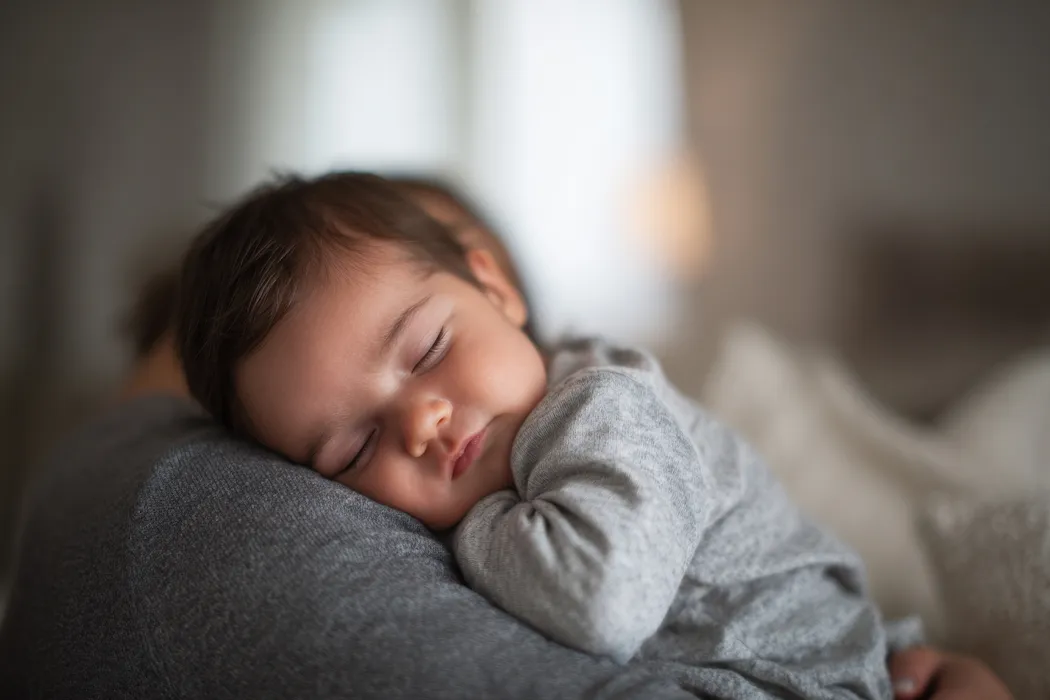
If you are wondering about the newborn baby shivering reason, several harmless factors may be responsible. Below are the most common causes.
1. Immature Nervous System
A newborn’s nervous system is not fully developed at birth. The nerve pathways that send signals from the brain to the muscles are still forming. Because these signals are not always perfectly coordinated, babies may experience occasional tremors or jerky movements. These jitters are especially noticeable when the baby is crying, startled, stretching, or excited.
2. The Moro Reflex (Startle Reflex)
Babies are born with several natural reflexes that help them adapt to the outside world. One of the most common is the Moro reflex, also known as the startle reflex. When a baby hears a loud sound, feels a sudden movement, or experiences a shift in position, they may suddenly throw their arms and legs outward and then pull them back in. This reflex can sometimes look like brief shivering or shaking. The Moro reflex is completely normal and usually disappears by the time the baby is around 3 to 4 months old.
3. Low Blood Sugar (Hypoglycaemia)
While most tremors are harmless, low blood sugar can also cause newborn jitteriness. Babies require regular feeding to maintain stable glucose levels.
Low blood sugar may occur in babies who:
- Are not feeding frequently enough
- Were born prematurely
- Have mothers who had gestational diabetes
If the baby feeds and the shaking stops soon after, the tremors were likely related to low blood sugar.
4. Benign Neonatal Sleep Myoclonus
Some babies experience small jerking movements while sleeping. This condition is known as benign neonatal sleep myoclonus. It occurs during deep sleep and may involve brief muscle twitches in the arms or legs. These movements are harmless and typically disappear by three to four months of age.
5. Caffeine Exposure Through Breastmilk
If a breastfeeding mother consumes large amounts of caffeine, such as coffee, energy drinks, or strong tea, the caffeine can pass into breastmilk.
Because newborns process caffeine much more slowly than adults, it may lead to symptoms such as:
- Jitteriness
- Restlessness
- Poor sleep
Reducing caffeine intake may help minimise these effects.
Explore Baby Care Products Here