0

Newborn Baby Sleep Schedule: Hours, Patterns & Tips

Learn the ideal newborn baby sleep schedule, including daily sleep hours, patterns, and expert tips to help your baby sleep better and develop healthy routines.

article image

Dr. Vasantha Sree

Welcoming a brand-new baby into your home is a beautiful, life-changing experience - but it is also undeniably exhausting. Before you even leave the hospital, doctors run a few standard checks to ensure your little one is healthy, such as the routine new born baby blood test (often called the heel prick) and administering protective eye ointment (if you are curious about the new born baby eye drops name, it is typically erythromycin). Once those initial medical hurdles are cleared and you settle in at home, your biggest daily focus quickly shifts to one thing: new born baby sleeping hours.

If you are currently staring at the ceiling at 3:00 AM wondering if your baby’s sleep habits are normal, you are not alone. In this comprehensive guide, we will explore everything you need to know about newborn sleep. From tracking schedules to understanding safe sleep practices, here is your roadmap to a better night’s rest.

Decoding New Born Baby Sleeping Hours: What is Normal?

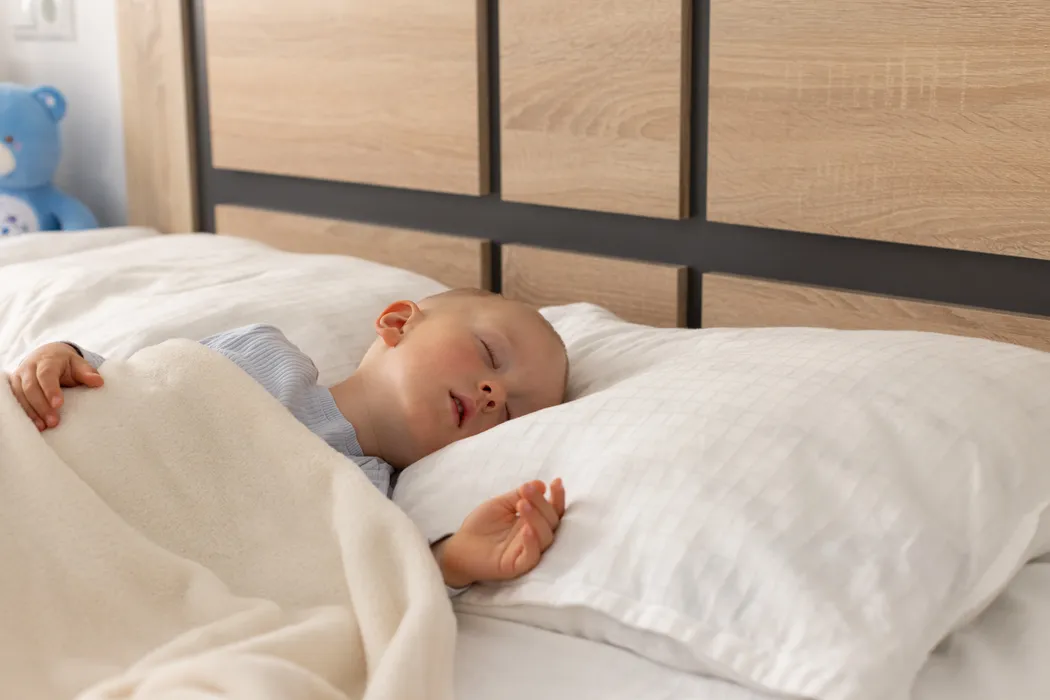
New parents frequently turn to search engines or their pediatricians to ask, "how many hours new born baby sleep?" According to health experts, healthy newborns sleep an astonishing amount. If you are closely tracking how many hours a new born baby sleeps, you can expect it to range anywhere from 14 to 17 hours within a 24-hour period.

However, this new born sleeping time is not continuous. Because a newborn baby’s stomach is so incredibly small, they digest breast milk or formula very quickly. This means they must wake up frequently to feed and grow.

If you are wondering how much new born baby sleeps in a single, uninterrupted stretch, the answer is usually only 2 to 4 hours at a time. This applies to both day and night. While it is completely normal to feel sleep-deprived during this stage, taking comfort in the fact that your baby's sleep schedule is a biological necessity can help ease the stress.

Load more products

Understanding the New Born Baby Sleep Cycle

A newborn's internal clock, also known as their circadian rhythm, is not fully developed at birth. For the first few weeks of life, babies experience "day/night confusion." This means that how much time new born baby sleeps during the bright daylight hours might equal - or even exceed - their sleep at night.

Their sleep cycles are also entirely different from adults. While adults cycle through various stages of deep and light sleep, infant sleep consists mostly of "Active Sleep" (similar to REM sleep) and "Quiet Sleep."

  • Active Sleep: During active new born sleeping, you might notice your baby twitching, smiling, making sucking motions, or even fluttering their eyes open.
  • Quiet Sleep: This is a deeper stage of rest where the baby is still, breathing deeply, and much harder to wake up.

Understanding the overall sleeping time for new born baby helps parents manage their own expectations. In the beginning, new born baby sleep hours are unpredictable. However, regardless of how much a new born baby sleeps early on, you will gradually notice a more consistent rhythm emerging around the 6-to-8-week mark.

The Safest New Born Baby Sleeping Position

While tracking sleep duration is important, sleep safety is absolutely vital. The single safest new born baby sleeping position is flat on their back.

The American Academy of Pediatrics (AAP) and the Centers for Disease Control and Prevention (CDC) strongly recommend the "back-to-sleep" method for every single nap and nighttime sleep to drastically reduce the risk of Sudden Infant Death Syndrome (SIDS).

When figuring out how to sleep new born baby safely, keep these essential guidelines in mind:
Always on the back: The sleeping position for new born baby should never be on the stomach or the side, as babies can easily roll onto their faces and restrict their breathing.

  • Firm, flat surface: Use a safety-approved crib or bassinet with a firm mattress and a tightly fitted sheet.
  • Clear the crib: Keep the sleep space completely free of loose blankets, pillows, crib bumpers, and stuffed toys.
  • Room-sharing, not bed-sharing: Experts recommend keeping your baby's crib in the same room as you for the first 6 months, but not in the same bed.

Remember, a safe sleeping new born baby is a healthy one!

Proven New Born Baby Sleeping Tips for Exhausted Parents

Trying to soothe a crying infant in the middle of the night can test the patience of even the calmest parents. Here are some evidence-based new born baby sleeping tips to help your little one (and you!) catch some much-needed rest:

  • Try Swaddling: Snugly wrapping your baby in a lightweight swaddle blanket mimics the cozy, confined feeling of the womb. It also prevents their natural startle reflex (Moro reflex) from waking them up.
  • Use White Noise: The womb is actually a very loud place, filled with the sounds of the mother's heartbeat and rushing blood. A white noise machine can easily soothe a baby to sleep by recreating this familiar environment.
  • Establish Day vs. Night: Help fix their circadian rhythm. Keep the house bright and active during the day. At night, dim the lights, keep your voice low, and avoid making eye contact during late-night diaper changes to encourage new born baby sleeping.
  • Watch for Sleep Cues: Don't wait until your baby is crying to put them to bed. Yawning, rubbing eyes, staring blankly, or pulling at their ears are all signs that your baby is ready for a nap.

Help! My New Born Baby Is Not Sleeping

Help! My New Born Baby Is Not Sleeping
It can be incredibly stressful to find yourself pacing the floor, thinking, "my new born baby is not sleeping!" If your baby seems fussy, restless, and awake for long, uncomfortable periods, take a deep breath.

First, run through a simple troubleshooting checklist:
1. Are they hungry?
2. Do they need a diaper change?
3. Are they too hot or too cold?
4. Do they need to be burped?

Often, gas or trapped wind is the culprit behind nighttime crying. Gently bicycling your baby's legs or holding them upright can relieve tummy pressure. Also, keep in mind that new born babies sleeping hours can fluctuate wildly during growth spurts. Sometimes, a baby who refuses to settle is simply overtired. In these moments, taking them into a dark, quiet room and gently rocking them can help reset their nervous system.

However, if your baby refuses to sleep entirely, cries inconsolably for hours, or seems to be in physical pain, do not hesitate to consult your pediatrician. They can help rule out underlying issues like acid reflux or an ear infection.

Load more products

Conclusion

Adjusting to your newborn’s sleep schedule can feel overwhelming in the beginning, but it is important to remember that irregular sleep patterns are completely normal during the early weeks. From understanding newborn baby sleeping hours to recognising sleep cues and following safe sleep practices, each small step helps you build a healthier routine for your baby.
While sleepless nights may seem endless now, this phase is temporary. As your baby grows, their sleep cycles will gradually become more predictable, giving you longer stretches of rest. Until then, focus on consistency, safety, and responding to your baby’s needs with patience.
If you ever feel unsure or concerned about your newborn’s sleep habits, do not hesitate to seek guidance from your paediatrician. With time, support, and the right approach, both you and your baby will settle into a comfortable and restful rhythm.

FAQS

How many hours new born baby will sleep in a single stretch?

Most newborns will only sleep about 2 to 4 hours at a time. If you carefully track how many hours new born baby sleeps consecutively, you will find it rarely exceeds 4 hours because their tiny tummies require them to wake up for frequent feedings around the clock.

New born baby how many hours sleep is normal in a 24-hour period?

For the first month of life, the ideal new born baby sleeping hours range from 14 to 17 hours in total. If you find yourself asking, "new born baby sleep how many hours is considered too much?", keep an eye out. If your baby is sleeping more than 19 hours a day and missing regular feeding times, you should contact your pediatrician.

How can I adjust the sleeping time of new born baby to fit the night?

You can help shift the sleeping time of new born baby by teaching them the difference between day and night. Expose them to bright, natural sunlight and regular household noise during the daytime. At night, keep the lights extremely dim, move slowly, and avoid engaging in playful interactions during middle-of-the-night feedings.

When do new born baby sleeping hours become a predictable schedule?

True, predictable sleep schedules do not usually emerge until a baby is about 3 to 6 months old. At this stage, their brain's circadian rhythm matures, and they begin to produce their own melatonin, making new born baby sleep much more consolidated during the nighttime hours.

Does formula feeding change how much a baby sleeps?

Infant formula takes slightly longer for a baby’s stomach to digest compared to breast milk. Because of this, formula-fed babies might occasionally sleep slightly longer between their feeding sessions. However, their total overall daily sleep needs remain exactly the same.

Apollo 247 Floating Action Button