0

Newborn Baby Eye Infection & Discharge: Causes & Treatment

Discover why newborn eye infections happen and how to manage discharge safely at home. From symptoms to medical treatments, get the facts every parent needs to protect their baby’s vision.

article image

Dr. Mayank

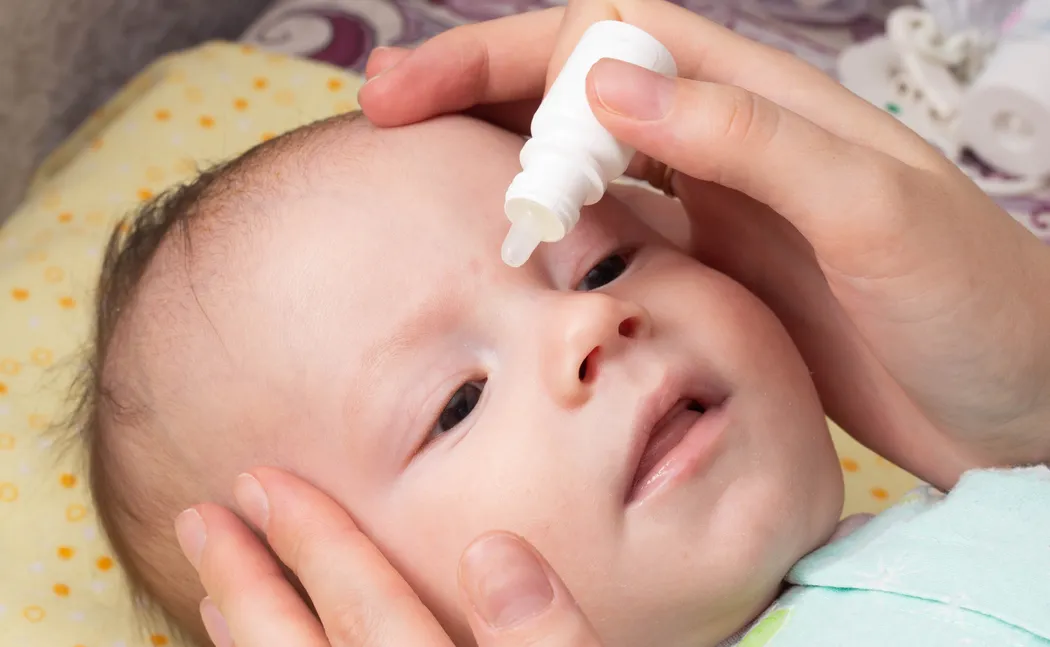
Bringing your baby home is a joyful and magical experience, but it can also be a little stressful when you notice something unusual. If you wake up to find your little one with crusty, weepy, or red eyes, it is completely natural to feel worried. Experiencing new born baby eye discharge is incredibly common, and in the vast majority of cases, it is highly treatable and nothing to panic about.

Many parents wake up to find their newborn baby's eyes watering and sticky, especially after a long nap. While this can look alarming, it is often just a normal part of a baby’s development. However, in some cases, it can point to a minor infection that requires a paediatrician's care.

In this comprehensive guide, we will explore the common causes of eye discharge, how to tell the difference between a simple blocked tear duct and an eye infection in a newborn baby, safe home care methods, and when it is time to call your doctor.

What Causes Newborn Baby Eye Discharge?

A baby’s eyes are delicate and still developing, making them sensitive to their environment. There are three primary reasons why your baby might have gooey, watery, or sticky eyes.

1. Blocked Tear Ducts (Nasolacrimal Duct Obstruction)

This is the most common cause of eye discharge in infants. Up to 20% of babies are born with tear ducts that haven't fully opened yet. Tears are meant to wash over the eye and drain through small holes in the corners of the eyelids down into the nose.

When these ducts are blocked or partially closed, the tears have nowhere to go. This leads to a newborn baby's eyes watering constantly. When the watery tears dry up, especially while the baby is sleeping, they can leave behind a sticky, yellowish-white, or crusty discharge.

2. Neonatal Conjunctivitis (Eye Infection)

Sometimes, discharge is a sign of an infection, commonly known as conjunctivitis or pink eye. An eye infection in a newborn baby can happen for a few reasons. As babies pass through the birth canal, they are exposed to various natural bacteria. Sometimes, these bacteria can get into the baby's eyes and cause an infection. Viral infections, like those that cause the common cold, can also lead to conjunctivitis.

3. Chemical Irritation

In many hospitals, it is a standard medical procedure to give newborns antibiotic eye drops or ointment immediately after birth. This is done to prevent severe bacterial infections. However, the sensitive skin and eyes of a newborn can sometimes react to these drops, resulting in mild redness and a small amount of newborn baby eye discharge. This is known as chemical conjunctivitis and typically clears up on its own within a few days without any treatment.

Load more products

Blocked Tear Duct vs. Eye Infection: How to Tell the Difference

It can be tricky for a parent to figure out exactly what is causing their baby’s eye issues. While you should always consult your paediatrician for an official diagnosis, here are the general signs to look for:

Signs of a Blocked Tear Duct

  • Clear to whitish-yellow discharge: The discharge usually looks like sleep crusties.
  • No redness: The white part of the eye (the sclera) remains purely white and healthy-looking.
  • Excessive tearing: You will notice the newborn baby's eyes watering even when the baby is not actively crying.
  • Normal eyelid: The eyelid is not swollen, red, or warm to the touch.
  • Happy baby: The baby does not seem to be in pain or discomfort.

Signs of an Eye Infection (Conjunctivitis)

  • Thick, dark yellow or green pus: The discharge is usually much thicker and more continuous than a blocked tear duct.
  • Redness: The white part of the eye or the inner eyelids appears red, bloodshot, or irritated.
  • Swelling: The eyelids may appear puffy, swollen, or tender.
  • Crusted shut eyes: The eyelids may be heavily glued together, making it difficult for the baby to open their eyes.
  • Fussiness: The baby may seem uncomfortable, rub their eyes, or have a fever.

Types of Newborn Eye Infections

If your paediatrician determines that the newborn's eye discharge is due to an infection, they will figure out what type of infection it is to provide the correct treatment. The most common types include:

  • Bacterial Conjunctivitis: Caused by everyday bacteria like Staphylococcus or Streptococcus. This usually results in thick, pus-like discharge and red eyes.
  • Viral Conjunctivitis: Caused by viruses, such as the ones that cause the common cold. The discharge is usually more watery, and the baby might also have a runny nose.
  • Inclusion (Chlamydial) Conjunctivitis: Caused by the bacteria Chlamydia trachomatis passed during childbirth. Symptoms usually appear 5 to 14 days after birth and include swelling, redness, and pus.
  • Gonococcal Conjunctivitis: Caused by the bacteria Neisseria gonorrhoeae. This is a serious infection that appears 2 to 5 days after birth, featuring severe swelling and thick pus. Routine hospital eye drops largely prevent this today.

Safe Home Care for Newborn Baby Eye Discharge

If your baby has a blocked tear duct or minor irritation, there are safe, gentle ways to manage the symptoms at home. Always ensure your hands are thoroughly washed with soap and warm water before touching your baby's face.

1. Cleaning the Eye Properly

When you see your newborn baby's eyes watering and sticky, you will want to clean them to keep your baby comfortable.

  • Step 1: Wash your hands thoroughly.
  • Step 2: Dip a clean cotton ball or a sterile gauze pad into warm, sterile water (water that has been boiled and allowed to cool down).
  • Step 3: Gently wipe the baby’s eye starting from the inner corner (near the nose) to the outer corner.
  • Step 4: Use a fresh, new cotton ball for each wipe to prevent spreading any potential bacteria. Throw the cotton ball away immediately.

2. Tear Duct Massage

  • If your paediatrician diagnoses a blocked tear duct, they may recommend a gentle massage (often called a Crigler massage) to help open it up.
  • Ensure your hands are clean and your nails are trimmed.
  • Place the pad of your index finger gently on the side of the baby's nose, right next to the inner corner of the affected eye.
  • Apply mild pressure and make brief, downward strokes.
  • Your doctor might suggest doing this two to three times a day, usually during a diaper change when the baby is lying flat.

3. Medical Treatments

If your baby is diagnosed with a bacterial eye infection, your paediatrician will likely prescribe antibiotic eye drops or an antibiotic ointment. It is crucial to finish the entire course of the medication, even if the eye looks better after a day or two. Viral infections do not respond to antibiotics and typically just require supportive care and gentle cleaning until they pass.

When to See a Doctor?

While minor newborn baby eye watering is usually harmless, babies have delicate immune systems. You should contact your paediatrician immediately if you notice any of the following red flags:

  • The white part of the baby's eye turns red or pink.
  • The baby's eyelid is swollen, red, or very warm.
  • The discharge is thick, dark yellow, or green.
  • The baby develops a fever (a rectal temperature of 100.4°F / 38°C or higher in a baby under 3 months is a medical emergency).
  • The baby seems unusually fussy, lethargic, or is not feeding well.
  • The discharge does not improve after a few days of gentle cleaning.
Load more products

Conclusion

Navigating your baby's health can feel overwhelming, but understanding the basics of newborn baby eye discharge can give you tremendous peace of mind. Whether it is a harmless blocked tear duct causing your baby's eyes to water, or a minor infection requiring a quick round of antibiotic drops, these conditions are highly treatable.

Always practice good hand hygiene, use sterile water for cleaning, and never hesitate to reach out to your paediatrician if you are feeling unsure. With a little bit of knowledge and care, your baby’s bright, beautiful eyes will be clear and healthy in no time.


FAQS

Is it normal for newborns to have eye discharge?

Yes, newborn baby eye discharge is extremely common. Many babies are born with narrow or partially blocked tear ducts. Because the tears cannot drain properly into the nose, they back up and dry into a sticky, crusty residue. As long as the eye itself is not red and the baby has no fever, it is usually normal.

How do I clean my baby's sticky eye?

Always wash your hands first. Dip a fresh, clean cotton ball in lukewarm, sterile water. Gently wipe the eye from the inner corner (near the nose) to the outer corner. Always use a new cotton ball for every swipe to avoid pushing bacteria back into the eye.

Can I put breast milk in my baby's eye to cure an infection?

While breast milk contains wonderful antibodies and is sometimes recommended as a home remedy in certain cultures, modern medical experts and paediatricians generally advise against putting breast milk into a baby's eye. Breast milk is not sterile and contains natural sugars, which can actually introduce new bacteria and make an infection worse. Stick to sterile water for cleaning.

How long does a blocked tear duct take to clear up?

For most babies, blocked tear ducts open up on their own without any medical intervention. Approximately 90% of blocked tear ducts resolve naturally by the time the baby reaches their first birthday. A gentle massage, as advised by your doctor, can help speed up the process.

Is newborn baby eye discharge contagious?

It depends on the cause. If the discharge is caused by a simple blocked tear duct, it is not contagious at all. However, if the discharge is due to an eye infection (viral or bacterial conjunctivitis), it is highly contagious. This is why thorough handwashing before and after touching your baby’s face is essential.

Apollo 247 Floating Action Button