0

Newborn Screening Test: List, Procedure & Importance

Learn about newborn screening tests, including the heel-prick procedure, conditions screened, and why early detection is crucial for your baby’s health, development, and future well-being.

article image

Dr. Vasantha Sree

Welcoming a new baby into the world is one of the most exciting and joyful experiences for any parent. Along with the cuddles, late-night feedings, and endless photo-taking, those first few days at the hospital also involve a few essential medical checks. One of the most vital steps in ensuring your child's long-term health is the newborn screening test.

Most babies look perfectly healthy when they are born. However, some infants may have rare, hidden health conditions that aren't immediately visible. If left undetected, these conditions can cause serious physical or mental health problems. The good news? Early detection through proper screening allows doctors to treat these conditions before they ever cause harm.

In this comprehensive guide, we will break down everything you need to know about the screening process, the exact tests involved, and why this simple procedure is a life-saving tool for your little one.

What is a Newborn Baby Screening Test?

A newborn baby screening test is a quick, safe, and standard public health evaluation performed on infants shortly after birth. The goal is to identify rare but serious genetic, metabolic, endocrine, and structural disorders.

Typically, newborn screening takes place when your baby is between 24 and 48 hours old. Before you even take your little one home from the hospital, healthcare professionals will conduct these checks. It is designed to be as minimally invasive as possible while providing a wealth of information about your child’s health. Think of the newborn baby test as your child’s very first health checkup, setting them up for a safe and healthy future.

Load more products

Why is a Screening Test for a Newborn Baby Important?

You might wonder, "If my baby looks perfectly fine and healthy, do we really need this?" The short answer is an absolute yes.

A screening test for a newborn baby is critical for several reasons:

  • Invisible Symptoms: Many genetic and metabolic disorders show absolutely no symptoms at birth. While in the womb, the mother’s body acts as a filter, removing toxins for the baby. Once born, the baby’s body must process nutrients on its own, which is when problems can begin.
  • Early Intervention Saves Lives: Finding out about a condition early means that treatment (which can be as simple as a special diet or daily medication) can begin immediately.
  • Prevents Irreversible Damage: Without early treatment, some of these hidden conditions can lead to severe organ damage, developmental delays, or even life-threatening complications.
  • Peace of Mind: For the vast majority of parents, the results come back entirely normal, offering incredible peace of mind during those anxious early days of parenthood.

The Complete Newborn Baby Test List

When we talk about infant screening, we are usually referring to a combination of three main evaluations. Here is the standard newborn baby test list that makes up the core of newborn tests worldwide:

1. The Blood Test (Heel Prick Test)

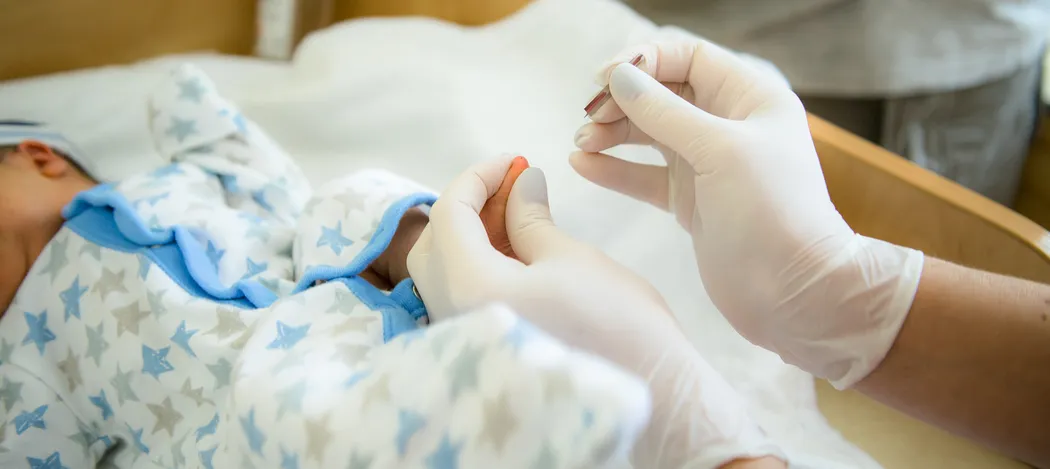
This is the most well-known part of the screening. A nurse or doctor will gently prick your baby’s heel to collect a few drops of blood on a special filter paper card. This card is then sent to a laboratory to test for dozens of different genetic and metabolic disorders.

2. The Hearing Test

Hearing loss can affect a child's ability to develop speech, language, and social skills. The hearing screening is painless and usually done while the baby is asleep. Two methods are commonly used:

  • Otoacoustic Emissions (OAE): A tiny earphone placed in the ear plays soft sounds, and a computer measures the ear's echo response.
  • Automated Auditory Brainstem Response (AABR): Sensors are placed on the baby’s head to measure how the hearing nerve responds to sound.

3. The Heart Test (Pulse Oximetry)

This test checks for Critical Congenital Heart Disease (CCHD). It measures the oxygen levels in the baby’s blood using a small, soft sensor wrapped around the baby’s hand and foot. It takes only a few minutes and is completely painless. Low oxygen levels can be an early warning sign of a heart defect.

4. Vision and Eye Checks

While basic red-reflex eye checks (using a light to check the back of the eye) are standard in the hospital, parents often ask about more comprehensive eye exams and the newborn baby eye test price. A basic vision check is usually included in standard hospital maternity packages. However, if a specialised pediatric ophthalmologist exam is required, the price can vary from $50 to $200 globally, or roughly ₹1,500 to ₹3,500 in India, depending on the private hospital or clinic.

Conditions Covered in the Newborn Screening Panel

The specific number of conditions tested for can vary depending on where you live, but a standard newborn screening panel generally looks for the following types of disorders:

  • Metabolic Disorders: Conditions where the baby's body cannot properly break down food. A common example is Phenylketonuria (PKU). If a baby with PKU eats normal proteins, it can build up in their brain and cause severe intellectual disabilities. With early detection, it is easily managed with a special diet.
  • Endocrine Disorders: Conditions affecting the baby's hormones. Congenital Hypothyroidism is a prime example. If a baby lacks enough thyroid hormone, it slows down brain development and growth. A simple daily thyroid drop completely prevents these issues.
  • Haemoglobin Disorders: Conditions affecting red blood cells, such as Sickle Cell Disease. Early diagnosis helps prevent severe infections and manage pain.
  • Cystic Fibrosis: A genetic condition that affects the lungs and digestive system, leading to thick mucus buildup.
  • Spinal Muscular Atrophy (SMA): A genetic disorder that weakens the muscles. New treatments available today make early detection of SMA incredibly crucial.

How is the Test for a newborn baby done? 

Understanding the procedure can help ease any anxiety you might feel about the test for a newborn baby. Here is a step-by-step look at what to expect:

1. Timing: The test is usually done between 24 and 48 hours of life. This timing is important because the baby needs to have ingested some breast milk or formula for certain metabolic tests to be accurate.
2. Preparation: You can usually hold your baby during the heel prick test. Breastfeeding or giving your baby a pacifier can help keep them calm. Keeping the baby's feet warm also helps the blood flow more easily.
3. The Prick: The healthcare provider will clean the baby's heel and make a tiny, quick prick.
4. Collection: A few drops of blood are squeezed onto a special absorbent card containing circles. Once the circles are filled, a small bandage is applied to the heel.
5. Recovery: The baby might cry for a few moments due to the quick pinch, but they typically settle down very rapidly, especially with a cuddle from mom or dad.

Understanding the Newborn Screening Test in India and Worldwide

Screening protocols vary across the globe. In countries like the United States, the United Kingdom, and Australia, governments mandate a comprehensive panel that checks for 30 to over 50 conditions.

If you are looking at the newborn screening test in India, the landscape is slightly different. Currently, there is no universal, government-mandated nationwide newborn screening program for all babies in India, though the government strongly advocates for it. In Indian metropolitan cities and top private hospitals, a standard panel (usually testing for 5 to 7 highly prevalent conditions like Congenital Hypothyroidism, G6PD deficiency, and Hearing Loss) is routinely offered in maternity packages.

Indian paediatricians highly encourage parents to opt for expanded screening panels. If you are expecting a baby in India, it is highly recommended to proactively ask your hospital about including an expanded newborn screening test in your birth plan.

What Does an "Out-of-Range" Result Mean?

If your child's newborn baby screening test comes back positive or "out of range," the most important thing to do is not to panic.

A screening test is exactly that, a screen. It is not a final diagnosis. An out-of-range result simply means that the baby needs further, more specific diagnostic testing to see if they truly have the condition. Often, out-of-range results can occur if the baby was born prematurely, if the blood was drawn too early, or due to other temporary factors. Your paediatrician will guide you quickly through the necessary follow-up steps.

Load more products

Conclusion

The first few days of your baby's life are precious. While it can be slightly tough to watch your little one get a heel prick, the newborn baby screening test is a profound act of love and protection. It takes just a few minutes, involves minimal discomfort, and can protect your child from entirely preventable complications. By understanding the test list and the procedure, you can step into parenthood confidently, knowing you have given your baby the best, healthiest start possible.

FAQS

When exactly should the newborn baby screening test be done?

The ideal time is between 24 and 48 hours after birth. If the test is done before 24 hours, some metabolic conditions might not show up, and the test may need to be repeated a week later.

Is the heel prick test painful for the baby?

The test causes brief, mild discomfort, similar to a quick pinch. Your baby might cry for a minute or two, but comforting them, breastfeeding, or providing skin-to-skin contact helps them settle almost immediately.

If my baby's test is completely normal, does it mean they will never get sick?

A normal screening result is excellent news and means your baby does not have the specific rare genetic or metabolic conditions tested for on the panel. However, it does not guarantee that the child will never catch common illnesses or develop other health issues later in life.

Can we refuse the screening if our baby looks completely healthy?

While parents have the right to refuse medical procedures, health organisations worldwide strongly advise against skipping this test. Because these conditions are "invisible" at birth, skipping the test risks missing a life-threatening but treatable disorder.

How long does it take to get the screening results back?

Typically, the blood spots are sent to a state or private laboratory, and results are returned to your paediatrician within 2 to 3 weeks. Usually, doctors only call you if there is an "out-of-range" result that requires immediate attention.

Apollo 247 Floating Action Button