0

Newborn Screening Test Price in India: Cost & Where to Get

Discover the Newborn Screening Test price in India, ranging from ₹1,500 to ₹15,000. Learn about mandatory tests, top labs, and why early detection is vital.

article image

Dr. Yusuf

Welcoming a new baby into the world is an incredibly joyful and life-changing experience. As a new parent, your absolute top priority is keeping your little one healthy, safe, and thriving. One of the best ways to ensure your baby gets the right start in life is through a simple medical procedure known as newborn screening.

However, amidst the excitement and the endless lists of hospital bags and baby gear, financial planning for hospital procedures is a reality for every family. If you find yourself searching for the newborn screening test price in India, you are in the exact right place.

In this comprehensive guide, we will walk you through everything you need to know in simple, friendly language. We will explain what this screening is, why it is a critical step for your infant’s future, provide a detailed breakdown of costs, and guide you on where to get it done.

What is a Newborn Screening Test?

A newborn screening test is a special health check performed shortly after your baby is born. The goal is to identify rare but serious health conditions that are not visible at birth. Even if your baby looks perfectly healthy, happy, and active, they could be carrying hidden genetic, hormone-related, or metabolic disorders.

Typically, a complete newborn screening consists of three parts:

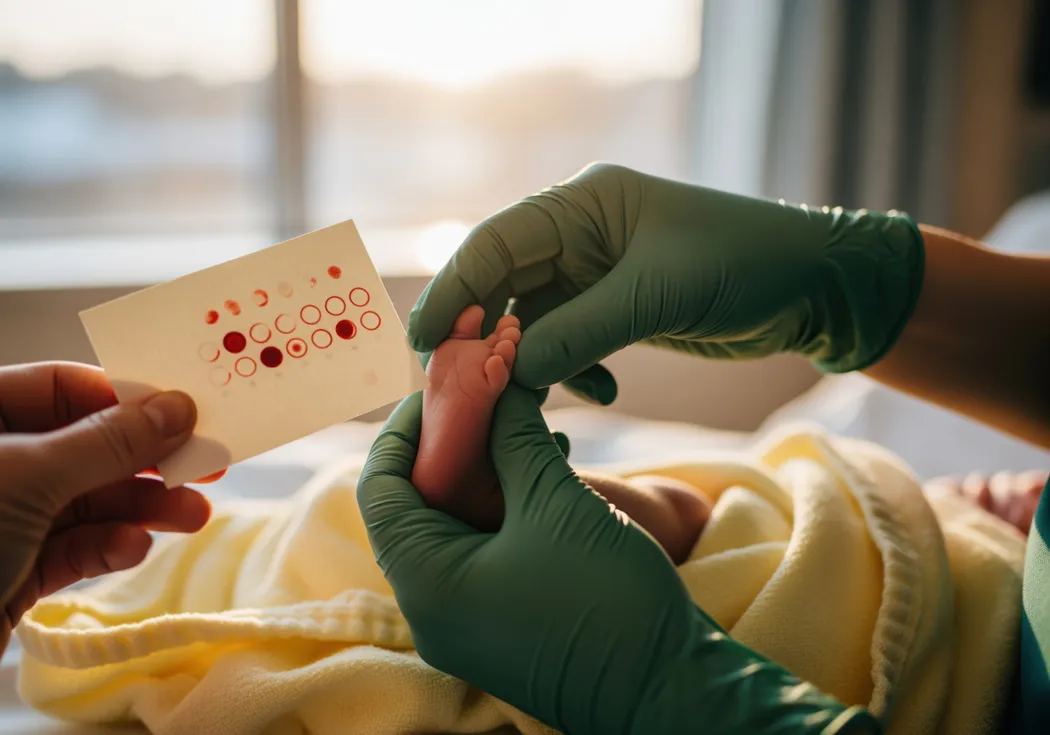
  • The Blood Test (Heel Prick Test): A doctor or nurse will gently prick your baby’s heel to collect a few drops of blood on a special filter paper. This blood is sent to a laboratory to check for various conditions.
  • Hearing Screening: A quick and painless test to ensure your baby’s hearing is functioning normally.
  • Pulse Oximetry: A painless sensor is placed on the baby's skin to measure oxygen levels in the blood, which helps rule out critical congenital heart defects.

The blood test is the most common component people refer to when discussing screening costs.

Why is Newborn Screening So Important?

You might wonder why you should put your baby through a blood test if they appear perfectly fine. The truth is, early detection saves lives.

Here is why this test is highly recommended by paediatricians worldwide:

  • Early Treatment: Many metabolic and genetic disorders can be managed safely through simple dietary changes or daily medication.
  • Preventing Irreversible Damage: If left completely undetected, some of these conditions can cause severe physical disabilities, intellectual delays, or even be life-threatening. Catching them within the first few days of life prevents these complications.
  • Peace of Mind: For parents, knowing that your baby has been screened for major health hurdles provides immense comfort and peace of mind during those stressful first few weeks at home.

Understanding the Newborn Screening Test Price in India

When planning your hospital budget, understanding the newborn baby screening test price is incredibly helpful. In India, the cost is not fixed; it varies based on the type of "panel" you choose. A panel simply refers to the number of conditions the laboratory is checking for.

Here is a general breakdown of the newborn screening test price you can expect in India:

1. The Basic Panel (Screening for 3 to 7 Conditions)

  • Estimated Cost: ₹1,000 to ₹2,500
  • What it covers: This basic package usually covers the most common disorders prevalent in India, such as Congenital Hypothyroidism, Congenital Adrenal Hyperplasia (CAH), and G6PD deficiency. The Indian Academy of Paediatrics (IAP) highly recommends at least this basic screening for all Indian babies.

2. The Comprehensive/Extended Panel (Screening for 40 to 50+ Conditions)

  • Estimated Cost: ₹4,000 to ₹7,500 (or sometimes higher in premium hospital chains)
  • What it covers: Using advanced technology called Tandem Mass Spectrometry (TMS), this panel screens for a massive list of rare amino acid disorders, fatty acid oxidation disorders, and organic acidemias.

While the comprehensive panel comes with a higher price tag, many parents opt for it because it leaves no stone unturned, offering maximum reassurance.

Load more products

Factors Affecting the Newborn Screening Test Price

You might notice that the newborn screening test price fluctuates from one hospital to another. Several factors influence the final bill:

  • Choice of Laboratory or Hospital: Premium, multi-speciality private hospitals generally charge more for diagnostic tests than standalone diagnostic centres (like Dr Lal PathLabs, SRL Diagnostics, or Metropolis).
  • Number of Conditions Checked: As mentioned above, a 5-panel test will be significantly cheaper than a 50-panel test.
  • Geographic Location: The cost of medical care varies by city. Hospitals in Tier-1 cities like Mumbai, Delhi, or Bangalore may charge slightly more than facilities in Tier-2 or Tier-3 cities.
  • Government Subsidies: In some states in India, government hospitals offer basic newborn screening completely free of charge or at a highly subsidised rate as part of public health initiatives.

Where to Get the Test Done in India?

Getting your baby screened is highly accessible in India. Here are your primary options:

1. Your Birthing Hospital: The easiest and most convenient place to get the screening done is right at the hospital where you deliver. The nursing staff usually collects the blood sample 48 to 72 hours after birth, right before you are discharged.
2. Private Diagnostic Laboratories: If your birthing centre does not offer the test, or if you prefer to use an outside lab to save on costs, you can visit reputed national diagnostic chains. Many of these labs even offer home-collection services, where a trained pediatric phlebotomist will visit your home to safely collect the sample.
3. Government Maternity Hospitals: For families looking for cost-effective care, many district government hospitals and state-run medical colleges offer basic screening panels.

Common Conditions Checked in the Screening

To understand the value behind the test, it helps to know what exactly the doctors are looking for. Here are a few of the most critical conditions covered:

Congenital Hypothyroidism (CH)

This happens when a baby is born with an underactive thyroid gland. The thyroid produces hormones essential for brain development and growth. If undetected, CH can lead to severe intellectual disability. If caught early through screening, it is easily treated with an inexpensive daily thyroid hormone pill, allowing the baby to live a completely normal life.

G6PD Deficiency

This is a condition where the body lacks a specific enzyme that protects red blood cells. Babies with G6PD deficiency can experience severe anaemia or severe jaundice if they are exposed to certain triggers (like specific medications, infections, or fava beans). Knowing your baby has this allows you to simply avoid those triggers.

Congenital Adrenal Hyperplasia (CAH)

CAH affects the adrenal glands, causing them to produce incorrect amounts of vital hormones. This can lead to dangerous imbalances in salt and water in the baby's body. Early detection allows doctors to provide life-saving hormone replacement therapy.

Phenylketonuria (PKU)

Babies with PKU cannot process a specific amino acid found in protein. If they consume normal breast milk or regular formula, this amino acid builds up in the brain, causing damage. When detected early, PKU is managed perfectly through a special, protein-restricted diet.

How the Procedure is Done: Step-by-Step?

If you are a bit nervous about the procedure, understanding how it works can ease your mind. It is incredibly quick and very safe.

1. Timing: The test is ideally done when the baby is between 48 and 72 hours old. The baby must have had a chance to feed (either breast milk or formula) for a day or two, as this helps in the accurate detection of metabolic disorders.
2. The Heel Prick: A healthcare professional will clean your baby's heel with an alcohol swab. They will use a tiny, sterile lancet to make a swift, shallow prick.
3. Blood Collection: They will gently squeeze the heel to drop a little blood onto a special medical filter paper.
4. Bandaging: A tiny bandage is applied. The baby might cry for a moment, but comforting them or feeding them immediately after helps them settle down very quickly.
5. Lab Analysis: The dried blood spots are sent off to the lab, and results usually return within 3 to 7 days.

Understanding the Test Results

Waiting for medical results can be nerve-wracking. Here is what you need to know about interpreting them:

  • Normal / In-Range: This means no signs of the screened disorders were found. You will likely just receive a standard report to file in your baby's health records.
  • Out of Range / Positive: If a result comes back positive, do not panic. A newborn screening test is just that, a screening. It is not a final diagnosis. False positives can happen due to premature birth, the timing of the test, or low birth weight. Your doctor will simply order a second, more specific confirmatory test to know for sure.
Load more products

Conclusion

Preparing for a new baby involves a lot of choices, and prioritising their health is the most important one. Whether you are researching the newborn baby screening test price for budget reasons or just trying to understand what tests your baby will undergo, knowledge is power.

By investing in this simple test, you are ruling out serious conditions and giving your child the safest possible start to life. Be sure to speak openly with your paediatrician or obstetrician about the newborn screening test price and panel options available at your hospital before your delivery date.

FAQS

When is the best time to do the newborn screening test?

The most accurate time to perform the blood spot test is between 48 to 72 hours after the baby is born. If you are discharged from the hospital before 48 hours, your doctor may ask you to return to the clinic for the test, or advise an early test with a follow-up a few days later.

Is newborn screening legally mandatory in India?

While it is legally mandatory in countries like the USA and the UK, it is currently not legally mandated across all of India. However, the Indian Academy of Paediatrics (IAP) strongly urges all parents to get it done. It is considered a standard of modern pediatric care.

Does health insurance cover the newborn screening test price?

This heavily depends on your specific insurance provider and your maternity coverage plan. Some comprehensive maternity insurance policies cover all postnatal care for the newborn up to 90 days, which would include screening tests. It is best to call your insurance agent prior to delivery to check.

Can we skip the screening if both parents are completely healthy?

No, you should not skip it. Many of the genetic and metabolic conditions screened for are "recessive." This means both perfectly healthy parents can be silent carriers of a gene mutation without ever knowing it, and pass it on to their baby.

Are there any risks or side effects to the baby?

The test is extremely safe. The only minor risk is a tiny bruise or temporary redness at the site of the heel prick, which heals within a day or two. The benefits of discovering a hidden illness far outweigh the momentary discomfort of a heel prick.

Apollo 247 Floating Action Button