0

In this article

  • What is Normal? The Basics of New Born Weight Loss
  • The Top New Born Baby Weight Loss Reasons
  • The Timeline: Tracking the Weight Loss of New Born Baby
  • Warning Signs: When to Worry About Weight Loss in New Born Baby
  • Tips to Ensure Your Baby is Getting Enough Milk
  • Overcoming Common Feeding Challenges
  • Conclusion

Newborn Weight Loss After Birth: How Much Is Normal?

Learn how much weight loss is normal in newborns after birth, why it happens, and when to worry. A complete guide for new parents.
 

article image

Dr. Nallapu Siri

Bringing a new baby into the world is an incredibly joyful experience, but it also comes with a lot of questions and worries. One of the most common surprises for new parents occurs at the pediatrician’s office a few days after birth: your baby weighs less than they did on the day they were born.

If your little one has dropped a few ounces, take a deep breath. This is entirely normal. In fact, nearly all babies lose some weight during their first week of life. Understanding the main new born baby weight loss reasons can help ease your anxiety and empower you to confidently care for your infant.

In this comprehensive guide, we will explore exactly how much weight loss is considered safe, what causes this drop, signs that your baby is getting enough milk, and when it might be time to call your doctor.

What is Normal? The Basics of New Born Weight Loss

It is a standard medical fact that healthy, full-term babies lose weight shortly after birth. But how much is too much?

For the average healthy infant, a new born weight loss of about 7% to 10% of their total birth weight is considered completely normal within the first three to five days of life.

To put this into perspective, if your baby was born weighing 8 pounds (128 ounces), losing up to 12.8 ounces in the first few days is well within the healthy range. Babies who are exclusively breastfed tend to lose slightly more weight (closer to the 10% mark) than babies who are formula-fed (who typically lose around 5% to 7%).

The primary goal is not to prevent this initial weight loss, but to ensure that the baby stops losing weight by day five and steadily regains it by the time they are two weeks old.

The Top New Born Baby Weight Loss Reasons

Parents often wonder how a baby who is constantly eating could possibly be losing weight. The truth is that the initial drop in ounces has very little to do with a lack of nutrition. Let's look closely at the biological new born baby weight loss reasons:

1. Shedding Excess Fluid

When your baby is in the womb, they are living in a completely liquid environment. They are born with extra fluid in their bodily tissues. Over the first few days of life, your baby naturally sheds this excess water weight through urine, sweat, and breathing. If a mother received intravenous (IV) fluids during labor (such as with an epidural or Pitocin), the baby may be born with artificially inflated water weight, making the initial weight loss seem even more dramatic as that extra fluid leaves their system.

2. Passing Meconium

One of the most natural new born baby weight loss reasons is the passing of meconium. Meconium is the thick, sticky, dark greenish-black substance that makes up your baby's first few bowel movements. This substance builds up in your baby's intestines during pregnancy. It is quite heavy, and as your baby passes it over the first couple of days, the scale will naturally drop.

3. Small Tummy Size and Colostrum

On day one, a newborn’s stomach is only the size of a small cherry, holding roughly 1 to 1.5 teaspoons (5 to 7 milliliters) of liquid at a time. If you are breastfeeding, your body produces colostrum - a thick, yellowish milk often called "liquid gold." It is packed with vital antibodies and nutrients, but it is produced in very small volumes. Because the baby is taking in small amounts of milk, they aren't consuming enough calories to offset the weight of the fluid and meconium they are losing.

4. The Physical Exertion of Birth

Birth is hard work for both the mother and the baby! Adapting to the outside world - regulating their own body temperature, crying, and breathing - requires a significant amount of energy. Your baby is burning calories simply by existing in this new environment, which acts as one of the contributing new born baby weight loss reasons.
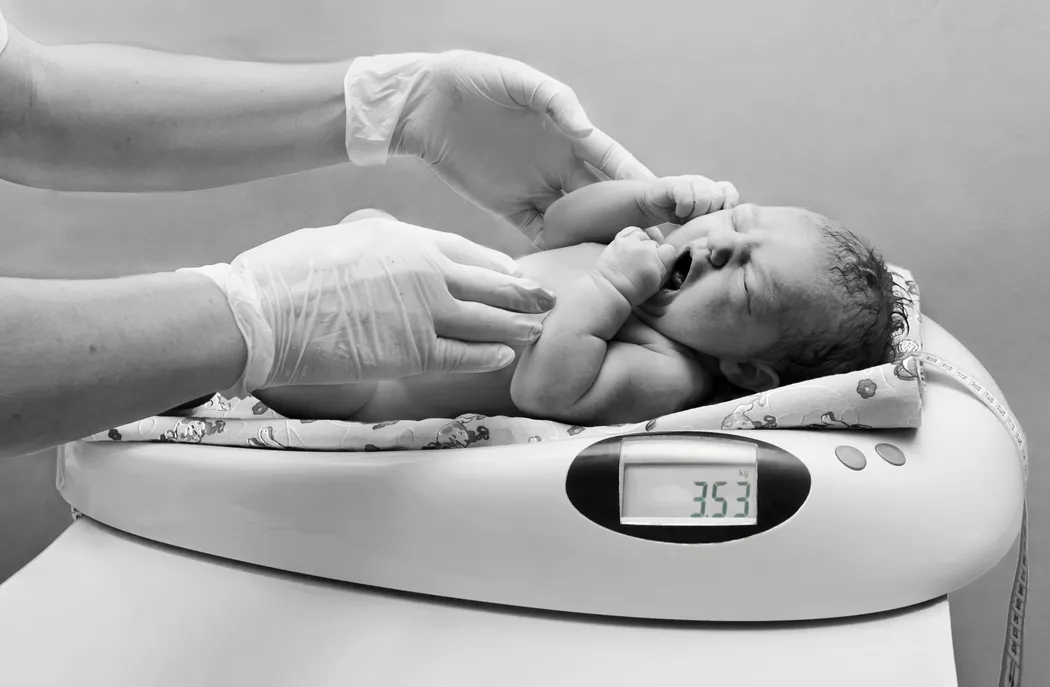
The Timeline: Tracking the Weight Loss of New Born Baby

Knowing what to expect day by day can help you monitor the weight loss of new born baby without unnecessary panic. Here is a typical timeline:

  • Days 1 to 3: Your baby will lose weight. Meconium is passed, fluids are shed, and breastfed babies consume small, nutrient-dense drops of colostrum.
  • Days 3 to 5: A mother's mature milk usually "comes in," transitioning from colostrum to a higher volume of transitional milk. Your baby's weight should stabilize and stop dropping.
  • Days 5 to 10: Your baby will begin to steadily gain weight. A healthy goal is about 0.5 to 1 ounce of weight gain per day.
  • Days 10 to 14: Your baby should be back to their original birth weight.

While keeping an eye on this timeline is important, understanding the underlying new born baby weight loss reasons ensures you remain calm and focused on your baby's feeding cues rather than stressing over every ounce.

Warning Signs: When to Worry About Weight Loss in New Born Baby

While a drop in weight is expected, excessive weight loss in new born baby can be a sign that they are not transferring milk properly or are becoming dehydrated.

Your pediatrician will closely monitor your baby’s weight during your first few check-ups. However, you should contact your doctor immediately if you notice any of the following warning signs:

  • Excessive Weight Drop: Losing more than 10% of their birth weight.
  • No Weight Gain: Failing to regain their birth weight by 14 days of age.
  • Signs of Dehydration: This includes a sunken soft spot (fontanelle) on the top of the head, a dry mouth and lips, lack of tears (though newborns rarely produce tears initially), or extreme lethargy.
  • Poor Diaper Output: Fewer than expected wet or dirty diapers (see the guide below).
  • Dark Urine: Urine that is dark yellow or contains "brick dust" (urate crystals) after day three.
  • Severe Jaundice: Yellowing of the skin or eyes that travels down the baby's chest or abdomen, often linked to poor feeding.

Sometimes, poor latching, tongue ties, or maternal milk supply issues become secondary new born baby weight loss reasons that require professional intervention from a pediatrician or lactation consultant.

Tips to Ensure Your Baby is Getting Enough Milk

Since you cannot measure exactly how much milk a breastfed baby is drinking, the best way to monitor their intake is by tracking their output (diapers) and observing their behavior.

Monitor Wet and Dirty Diapers

A well-fed baby will have a predictable diaper output. A helpful rule of thumb for the first week is:

  • Day 1: At least 1 wet diaper and 1 meconium stool.
  • Day 2: At least 2 wet diapers and 2 stools.
  • Day 3: At least 3 wet diapers and 3 transitional (greenish/brown) stools.
  • Day 4: At least 4 wet diapers and 3 to 4 yellowish stools.
  • Day 5 and beyond: 6 or more heavy, clear/pale wet diapers and 3 or more seedy, yellow, mustard-like stools per day.

Feed Frequently and on Demand

Newborns need to eat a lot. You should aim to feed your baby 8 to 12 times in a 24-hour period. This means feeding them roughly every 2 to 3 hours, day and night. Frequent nursing not only helps your baby regain weight but also stimulates the mother’s breasts to establish a robust milk supply.

Look for Signs of Satisfaction

After a good feeding, your baby should appear relaxed and satisfied. Their hands, which are often balled up in tight fists when they are hungry, should open up and relax. You should also be able to hear active swallowing sounds while they nurse.

Overcoming Common Feeding Challenges

Sometimes, a baby might be too sleepy to feed effectively, especially if they are slightly jaundiced. If your baby falls asleep a few minutes into a feed, they may not be getting the calorie-rich "hindmilk."

To keep your newborn awake during feeds, try:

  • Unswaddling them or stripping them down to just their diaper.
  • Tickling their toes or gently stroking their cheek.
  • Changing their diaper mid-feed to wake them up.
  • Practicing skin-to-skin contact, which naturally encourages rooting and feeding reflexes.

If you are struggling with pain during breastfeeding, or if your baby seems constantly fussy at the breast, don't hesitate to reach out for help. A certified lactation consultant can evaluate your baby's latch and ensure that poor milk transfer isn't adding to your new born baby weight loss reasons.

Conclusion

Seeing the number on the scale go down instead of up can be stressful for any new parent. However, remembering that this is a biologically normal process can provide great peace of mind. By understanding the common new born baby weight loss reasons - like shedding water weight, passing meconium, and the natural transition of breastmilk - you can focus less on the scale and more on bonding with your new arrival.

Always trust your parental instincts. Feed your baby frequently, monitor their wet and dirty diapers, and stay in close contact with your paediatrician during those crucial first two weeks. Before you know it, your little one will be growing and gaining weight beautifully.
 

FAQS

Is it normal for my newborn to lose weight after birth?

Yes, it is entirely normal. Almost all newborns lose between 7% and 10% of their birth weight in the first few days of life. This is a natural physiological process, primarily caused by shedding excess fluids and passing their first stools.

How long does it take for a newborn to regain their birth weight?

Most healthy newborns will stop losing weight by day four or five and will gradually start gaining it back. Because the primary new born baby weight loss reasons involve temporary fluid shifts and small early milk volumes, your baby should return to their original birth weight by the time they are 10 to 14 days old.

How do I know if my baby is drinking enough milk?

The most reliable indicator at home is your baby's diaper output. By day five, your baby should be having at least 6 heavy wet diapers and 3 to 4 yellow, seedy bowel movements a day. Additionally, your baby should seem satisfied after feeds and be steadily gaining weight at their doctor's check-ups.

Do formula-fed babies lose weight too?

Yes, formula-fed babies also lose weight after birth, though generally a bit less than breastfed babies. A formula-fed newborn usually drops around 5% to 7% of their birth weight. They are still shedding excess water weight and passing heavy meconium, just like breastfed babies.

Should I wake my newborn to feed them?

Yes, during the first couple of weeks, you should wake your baby to feed them if they sleep longer than 3 hours. Newborns need to eat 8 to 12 times a day. Once your pediatrician confirms that your baby has surpassed their birth weight and is gaining well, they will usually give you the green light to let the baby sleep until they wake up naturally on their own.

Apollo 247 Floating Action Button