0

Normal Temperature for Newborn Babies: Complete Guide

Learn the normal temperature range for newborns, how to check it accurately, signs of fever, and when to seek medical advice.
 

article image

Dr. Bhanu Prakash

Bringing your baby home can feel both exciting and a little overwhelming. It’s natural to keep a close eye on every small change, especially when it comes to your baby’s temperature. For many parents, understanding what is normal and what is not can be a common concern.

Newborns are still learning to regulate their body temperature. This means they may lose heat more quickly than adults, but they can also become too warm if overdressed or kept in a hot environment. Because of this, even small changes in temperature can matter.
Knowing the normal temperature range can help you feel more confident in recognising

when your baby is comfortable and when something may need attention. This guide explains how to check your baby’s temperature correctly, what is considered normal, and when it may be time to seek medical advice.
 

What is the Normal Body Temperature of Newborn Baby?

A healthy baby should feel comfortably warm to the touch, not hot or sweaty. Since newborns are still developing their ability to regulate body temperature, their normal range can be slightly different from that of older children and adults.

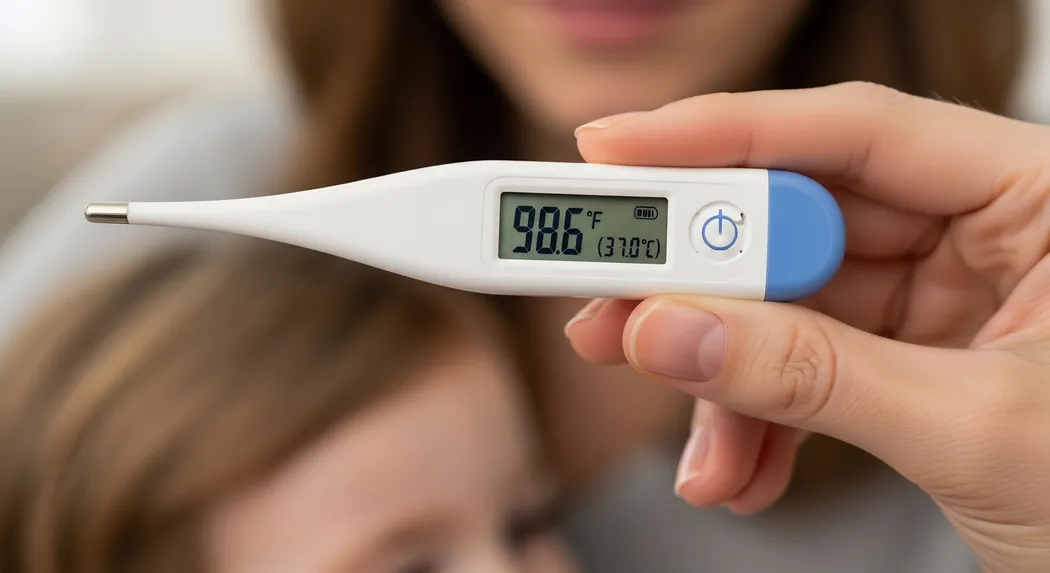
  • In general, the normal body temperature of a newborn falls between 36.5°C and 37.5°C when measured using a reliable method such as a rectal thermometer. This range helps indicate that your baby’s body is maintaining a stable internal balance.
  • Keeping your baby within this range is important. A drop in temperature may suggest that your baby is getting too cold, while a higher reading may indicate a fever or overheating. Because newborns cannot adjust their body temperature easily, even small changes may need attention.
  • It is also normal for a baby’s temperature to vary slightly during the day. For example, it may be a little lower in the early morning and slightly higher later in the day. These small fluctuations are usually not a cause for concern as long as the readings stay within the expected range.


If your baby’s temperature remains consistently within this range, it is generally a good sign that they are comfortable and adapting well to their environment.
 

Understanding Newborn Baby Fever

If your baby feels warmer than usual, it is natural to worry about a fever. Knowing what counts as a fever can help you respond quickly and appropriately.

  • A fever in a newborn is generally defined as a temperature of 38°C or higher when measured accurately. This is the level at which doctors consider it clinically significant.
    In babies younger than three months, even a mild fever is taken seriously. At this stage, the immune system is still developing, and a raised temperature may sometimes be the only visible sign of an underlying infection.
  • Because of this, any fever in a newborn should not be managed at home without medical guidance. It is important not to give fever-reducing medicines unless advised by a paediatrician, as the cause of the fever needs to be assessed first.

If your baby’s temperature reaches or exceeds 38°C, it is best to contact a doctor or seek medical care without delay. Early evaluation can help identify the cause and ensure your baby receives the right care as soon as possible.
 

Step-by-Step: How to Check Newborn Baby Fever?

If your baby feels warmer than usual, it’s important to check their temperature properly rather than relying on touch alone. An accurate reading helps you understand whether there is a fever and gives your doctor useful information if needed.

For newborns, a digital thermometer used for a rectal reading is considered the most reliable method. Other methods, such as forehead or ear thermometers, may not be as accurate in very young babies.

Here is how to check your baby’s temperature safely:

  • Clean the thermometer: Wash the tip with soap and warm water or wipe it with alcohol. Rinse it with cool water before use to ensure it is safe and comfortable.
  • Apply lubrication: A small amount of petroleum jelly on the tip can make insertion easier and more comfortable for your baby.
  • Position your baby: Lay your baby on their back on a firm, flat surface and gently lift their legs towards the chest. You can also place your baby face down across your lap if that feels more secure.
  • Insert gently: Carefully insert the tip of the thermometer into the rectum, about 1 to 2 cm. Do not force it at any point.
  • Wait for the reading: Hold the thermometer steady until it beeps. Try to keep your baby still during this time for an accurate result.
  • Read and note the temperature: Remove the thermometer gently and check the reading. This gives you the most accurate measure of your baby’s body temperature.

If you are not comfortable taking a rectal reading, an underarm measurement can be used as an alternative. While it may not be as precise, it can still give a general idea. If you use this method, it helps to mention it to your paediatrician, as underarm readings can be slightly lower than the actual temperature.


Explore Thermometers Here
 

Load more products

Recognising the Signs: Is Your Baby's Temperature Normal?

There may be times when you do not have a thermometer nearby. In such situations, observing your baby’s behaviour and physical signs can give you a general idea of whether their temperature may be outside the normal range.


Here are some signs to watch for:

  • Flushed or red cheeks: If your baby’s face looks more red than usual, it may suggest they are feeling too warm. This can sometimes be one of the early visible signs.
  • Sweating or damp skin: If the back of your baby’s neck feels damp or sweaty, they may be overheated. Babies can become too warm quickly, especially if they are overdressed or in a warm room.
  • Unusual sleepiness or low energy: A baby who is more difficult to wake, appears unusually quiet, or seems less responsive than usual may need attention, particularly if this is a change from their normal behaviour.
  • Increased fussiness: If your baby is crying more than usual or seems difficult to soothe, it could be a sign of discomfort, which may be linked to temperature changes or illness.
  • Cold body or skin: While it is normal for a baby’s hands and feet to feel slightly cool, their chest and back should feel warm. If these areas feel cold, it may suggest that their body temperature is lower than expected.

To get a better sense of your baby’s core temperature, gently feel the back of their neck or their chest. These areas tend to give a more accurate idea of how warm or cool your baby actually is, compared to the hands or feet.

If anything seems unusual or persistent, it is always best to confirm with a thermometer and seek medical advice if needed.

Explore Paediatric Fever Medicines Here
 

Load more products

Tips to Maintain a Normal Temperature for Newborn Baby

Keeping your baby comfortable largely depends on creating the right environment. Since newborns cannot regulate their body temperature effectively, they rely on external care to stay warm without overheating.

Here are some simple ways to help maintain a stable temperature:

  • Dress in layers: A useful guideline is to dress your baby in one more layer than you are wearing. This helps keep them warm without making them too hot. You can adjust layers depending on the weather and how your baby feels.
  • Maintain a comfortable room temperature: A room temperature of around 20°C to 22°C is generally considered suitable for babies. A room that feels comfortable for you is often a good indicator for your baby as well.
  • Practice skin-to-skin contact: Holding your baby against your chest can help regulate their body temperature naturally. This method, often used in early care, may help keep your baby warm and settled.
  • Avoid over-bundling: While swaddling can help babies feel secure, using too many layers or heavy blankets may cause overheating. Lightweight, breathable fabrics such as cotton are usually a better choice.
  • Keep away from direct sunlight: Babies can become overheated quickly when exposed to direct sunlight. Keeping them in a shaded, well-ventilated area helps maintain a more stable body temperature.

By following these simple steps, you can help keep your baby’s temperature within a comfortable range throughout the day and night.


When to Call the Doctor?

Understanding your baby’s normal temperature can help you feel more confident, but it is equally important to know when medical advice is needed.

You should contact a paediatrician or seek immediate care if you notice any of the following:

  • Fever in a young infant: If your baby is under 3 months old and has a temperature of 38°C or higher, it should be assessed by a doctor without delay, even if there are no other symptoms.
  • Low body temperature: If your baby’s temperature drops below 36.5°C and does not improve after warming measures such as adding a layer of clothing or skin-to-skin contact, it may need medical attention.
  • Fever with other symptoms: If a raised temperature is accompanied by signs such as a rash, breathing difficulty, persistent vomiting, or unusual stiffness, it is important to seek care promptly.
  • Unusual behaviour or feeding issues: If your baby is very difficult to wake, appears unusually weak or floppy, or refuses feeds, these may be signs that require evaluation.

It is also important not to give fever-reducing medicines to a newborn under three months of age unless specifically advised by a doctor. Early medical guidance helps ensure that any underlying issue is identified and managed safely.
 

Conclusion

Keeping track of your newborn’s temperature is an important part of early care, but it does not have to feel overwhelming. With a basic understanding of what is normal and what is not, you can feel more confident in recognising when your baby is comfortable and when something may need attention.

Small changes in temperature are common as your baby adjusts to their surroundings. Simple steps, such as dressing them appropriately and maintaining a comfortable room environment, may help keep their body temperature stable.

At the same time, it is important to stay alert to any signs that seem unusual. If your baby’s temperature is too high, too low, or accompanied by other symptoms, seeking timely medical advice can make a difference.

With a balanced approach and a bit of awareness, you can help ensure your baby stays safe, comfortable, and well cared for.

Disclaimer: This article is for informational purposes only and does not substitute for professional medical advice. Always consult your paediatrician for any concerns about your baby’s health and medical needs.
 

FAQS

What is considered a normal temperature in a newborn?

A normal newborn temperature usually falls between 36.5°C and 37.5°C when measured accurately. Small variations within this range can happen during the day and are generally not a concern if your baby is otherwise feeding well and active.

Is a temperature of 37.2°C a fever in a newborn?

No, this is still within the normal range. A fever in a newborn is usually defined as 38°C or higher. Any reading at or above this level should be assessed by a doctor.

Can teething cause fever in newborns?

Newborns do not go through teething, as it typically begins a few months later. Even in older babies, teething may cause slight discomfort or a mild rise in temperature, but it does not usually lead to a true fever. A higher temperature in a newborn is more likely linked to infection or environmental factors.

Why are my baby’s hands and feet cold if their body feels warm?

This is quite common in newborns. Their circulatory system is still developing, so blood flow is prioritised to vital organs. As a result, the hands and feet may feel cooler even when the body temperature is normal.

How often should I check my baby’s temperature?

You do not need to check your baby’s temperature routinely if they seem comfortable, are feeding well, and behaving normally. It is usually checked when your baby feels unusually warm or cold, appears unwell, or shows signs such as lethargy, irritability, or poor feeding.

Apollo 247 Floating Action Button