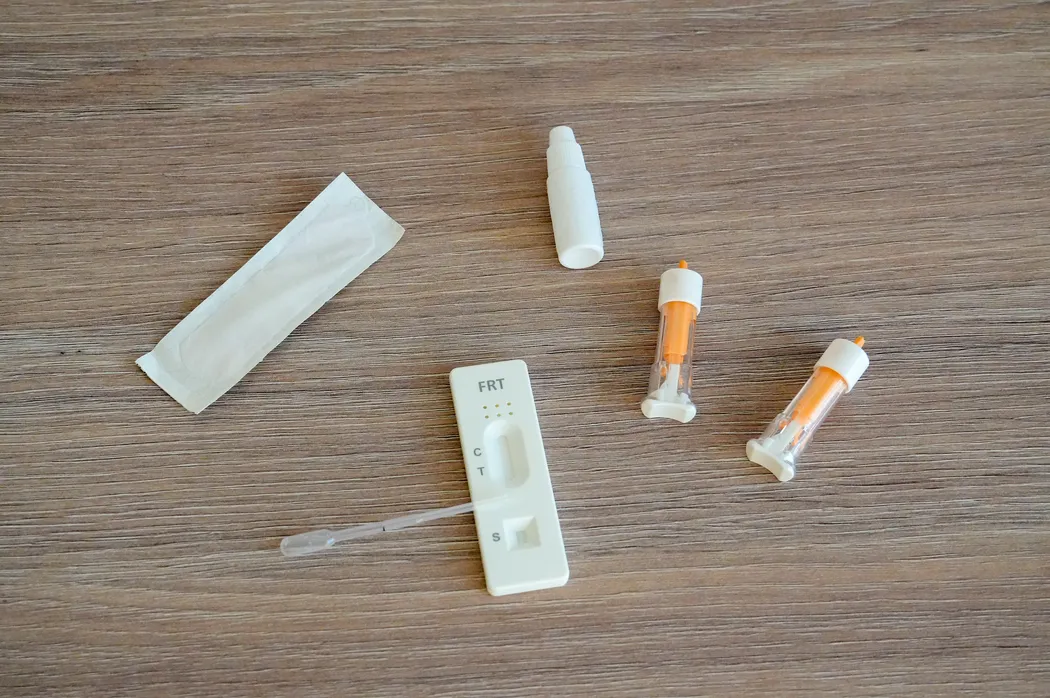
Using an ovulation test for the first time can be both exciting and confusing, especially for women who are actively trying to conceive or closely tracking their menstrual cycle. Ovulation predictor kits (OPKs) are designed to simplify fertility tracking, but many users feel uncertain when they see two lines on the test strip, yet do not ovulate. This situation often leads to frustration, self-doubt, and repeated testing without clarity.
One of the most common questions asked by first-time users is: If my ovulation test shows two lines, why am I not ovulating? The presence of two lines does not always guarantee ovulation. In fact, interpreting ovulation test lines correctly requires understanding hormone patterns, timing, and line intensity, not just the number of lines visible.
Unlike pregnancy tests, ovulation tests are more nuanced. A faint second line may appear frequently during the cycle, and even a line equal in darkness does not always confirm successful ovulation. Hormonal fluctuations, stress, medical conditions, and incorrect testing techniques can all affect results.
This article explains why ovulation tests show two lines but no ovulation, how luteinizing hormone (LH) works, common interpretation mistakes, biological reasons behind misleading results, and how to correctly use Apollo pharmacy-available LH ovulation kits for more accurate cycle tracking. The goal is to replace confusion with clarity and empower first-time users with reliable, science-based guidance.


