0

In this article

  • How Does Ozempic Work for Weight Loss?
  • The Standard Schedule: Ozempic Dosage for Weight Loss
  • What is the Maximum Dose of Ozempic for Weight Loss?
  • Exploring Oral Alternatives: Is There an Ozempic Oral Dose for Weight Loss?
  • How Does Oxra 10 mg and Weight Loss Compare?
  • Managing Side Effects at Any Dosage
  • The Importance of Diet and Exercise
  • Conclusion

Ozempic for Weight Loss: Dosage & Schedule Guide

Starting Ozempic for weight management? Discover the complete step-by-step dosage guide, including how to increase your dose safely, manage common side effects, and optimise your results.
 

article image

Apollo Pharmacy

If you have been paying attention to health and wellness news lately, you have probably heard of Ozempic. Originally developed to help people manage Type 2 diabetes, this medication has gained massive popularity for its secondary effect: significant weight loss.

However, starting a new medication can be confusing, especially when it involves weekly injections. Finding the right *ozempic dosage for weight loss is a gradual process that requires patience, medical supervision, and an understanding of how your body reacts to the drug.


How Does Ozempic Work for Weight Loss?

Before diving into the numbers, it helps to understand how the medication works. Ozempic belongs to a class of drugs called GLP-1 receptor agonists. GLP-1 is a hormone your body naturally produces when you eat. It tells your brain that you are full and slows down the emptying of your stomach.

By mimicking this hormone, Ozempic helps you:

  • Feel fuller faster.
  • Stay full for longer periods.
  • Experience fewer cravings and less "food noise" (constant thoughts about eating).
  • Regulate blood sugar spikes.

Because your digestive system slows down, your body needs time to get used to the medication. This is why you cannot start at the highest dose right away.

The Standard Schedule: Ozempic Dosage for Weight Loss

When your doctor prescribes an Ozempic dose for weight loss, they will use a method called "titration." Titration means starting with a very low amount of the medication and slowly increasing it over several weeks or months. This step-by-step approach is crucial for minimising gastrointestinal side effects like nausea and vomiting.

Here is the standard timeline for adjusting your dose of Ozempic for weight loss:

Step 1: The Starting Dose (Weeks 1 through 4)

  • Dosage: 0.25 mg once a week.
  • Purpose: This is purely an introductory phase. It gives your body a chance to get used to the medication. Most people do not experience significant weight loss at this stage, though some might notice a slight decrease in appetite.

Step 2: The First Increase (Weeks 5 through 8)

  • Dosage: 0.5 mg once a week.
  • Purpose: After four weeks, your doctor will likely increase your dose to 0.5 mg. For some people with mild weight loss goals, this might be enough to see steady results.

Step 3: The Maintenance or Step-Up Dose (Weeks 9 and beyond)

  • Dosage: 1.0 mg once a week.
  • Purpose: If you are tolerating the medication well but need more appetite suppression, your doctor will increase your weekly injection to 1.0 mg. This is a common maintenance dose for many patients.

Buy Ozempic for Weight Loss

What is the Maximum Dose of Ozempic for Weight Loss?

If you have been on the 1.0 mg dose for a while and your weight loss stalls, your doctor may consider pushing your dosage higher. The maximum dose of Ozempic for weight loss (and for diabetes management) is 2.0 mg per week.

It is important to note that while the Ozempic 2 mg dose for weight loss is the ceiling for the Ozempic brand, the sister drug Wegovy (which is approved specifically for weight loss) can be prescribed at up to 2.4 mg per week. Never increase your dosage without your doctor’s explicit instructions, as taking too much can lead to severe stomach issues and dangerously low blood sugar.

Ozempic 2 mg Dose for Weight Loss Reviews

When looking at Ozempic 2 mg dose for weight loss reviews from patients, the consensus generally points to highly effective appetite suppression. Many patients report that reaching the 2.0 mg mark helped them break through a weight-loss plateau. However, reviews also frequently mention that side effects, particularly nausea and constipation, can peak at this dosage. This is why doctors will only prescribe the 2 mg dose if you have successfully tolerated the lower doses for months.
Exploring Oral Alternatives: Is There an Ozempic Oral Dose for Weight Loss?

A common question among those who dislike needles is whether there is an Ozempic oral dose for weight loss.

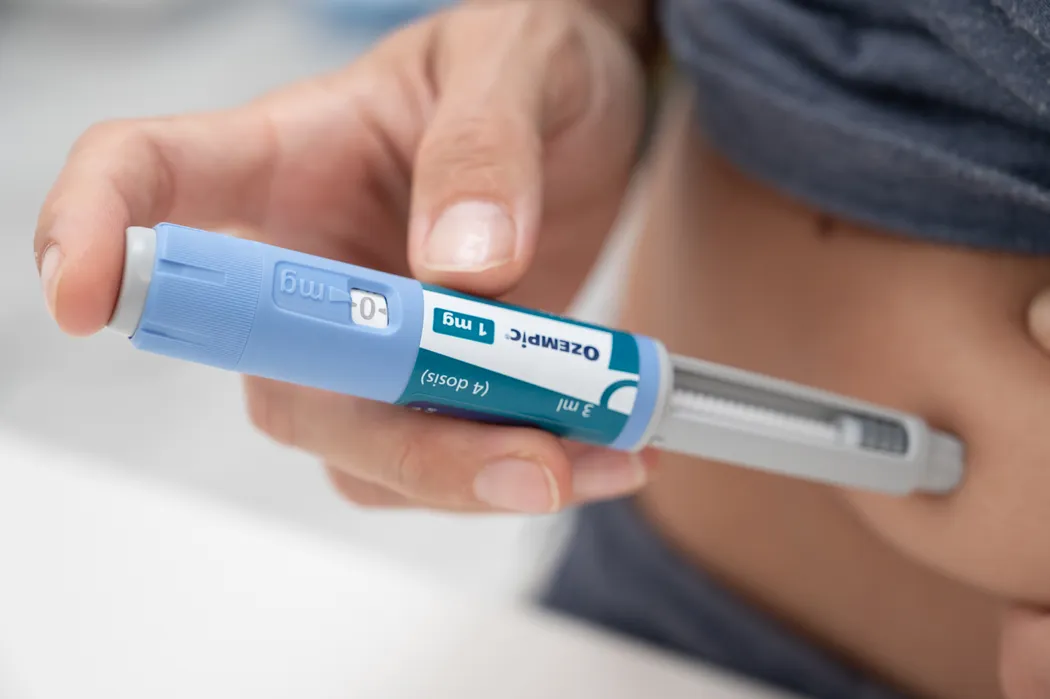
Ozempic itself only comes as a once-weekly injection administered via a pen. However, the exact same active ingredient (semaglutide) is available in a daily pill form under the brand name Rybelsus.

While Rybelsus is also approved only for Type 2 diabetes, doctors sometimes prescribe it off-label for weight loss for patients who refuse injections. The dosing schedule for Rybelsus is different, typically starting at 3 mg daily and stepping up to 7 mg or 14 mg daily. It must be taken on an empty stomach with a small sip of water, waiting at least 30 minutes before eating.
 

How Does Oxra 10 mg and Weight Loss Compare?

When researching weight loss medications, you might come across other diabetes drugs, prompting searches like oxra 10 mg and weight loss.

Oxra is a brand name for a medication called dapagliflozin. Unlike Ozempic, which is a GLP-1 agonist, Oxra belongs to a class of drugs called SGLT2 inhibitors. It works by helping your kidneys remove extra sugar from your body through your urine.

While taking Ozempic 10 mg can result in mild weight loss (because you are literally flushing calories/glucose away), it is not nearly as potent for weight reduction as Ozempic. Oxra does not suppress your appetite or delay stomach emptying. If your primary goal is significant weight loss, an Ozempic for weight loss dosage will generally yield much more noticeable results than Ozra.

Managing Side Effects at Any Dosage

No matter what your specific Ozempic dosage for weight loss is, you may experience side effects, especially in the days immediately following a dose increase. The most common side effects include:

  • Nausea and occasional vomiting
  • Diarrhoea or constipation
  • Stomach cramps and abdominal pain
  • Fatigue
  • Heartburn or acid reflux

Tips for Minimising Side Effects:

1. Eat Smaller Meals: Because your stomach is emptying much more slowly, eating a normal-sized meal can make you feel uncomfortably full or sick.
2. Avoid Greasy and Fried Foods: High-fat foods take a long time to digest and are a major trigger for Ozempic-related nausea.
3. Stay Hydrated: Drink plenty of water throughout the day, especially if you are experiencing diarrhoea.
4. Listen to Your Body: Stop eating the moment you feel satisfied. Do not force yourself to clear your plate.
5. Communicate with Your Doctor: If your side effects are unbearable, your doctor may suggest lowering your dose or keeping you on a lower dose for a longer period.

The Importance of Diet and Exercise

It is vital to remember that finding the right Ozempic dosage for weight loss is only one piece of the puzzle. Ozempic is not a magic shot; it is a tool. The medication reduces your appetite, making it easier to stick to a calorie deficit.

To achieve long-lasting results and preserve muscle mass while losing fat, you should pair your medication with:

  • A high-protein, nutrient-dense diet.
  • Regular cardiovascular exercise (walking, swimming, cycling).
  • Strength training (lifting weights or bodyweight exercises) to prevent muscle loss.

Conclusion

Navigating the dosage of Ozempic for weight loss is a process defined by gradual titration and medical oversight. While Ozempic is primarily FDA-approved for Type 2 diabetes, its active ingredient (semaglutide) has become a cornerstone of modern medical weight management due to its profound impact on appetite and metabolic health.

As of 2026, the landscape of semaglutide is expanding, with new options like the Ozempic pill (recently FDA-approved) providing alternatives to injections. However, regardless of the format, the goal remains the same: treating obesity as a chronic medical condition rather than a personal hurdle. Always work closely with a healthcare provider to tailor the dosage to your body’s specific response and long-term health goals.

FAQS 

How many doses of Ozempic for weight loss do I need to take before I see results?

It varies from person to person. Because the first month is a low introductory dose (0.25 mg), many people do not see significant weight loss until weeks 5 through 8, when they move up to the 0.5 mg or 1.0 mg dose. Patience is key during the titration phase.

Can I just stay on the lowest dose of Ozempic if it is working?

Yes. If you are experiencing steady weight loss and reduced appetite on a lower dose (such as 0.5 mg), your doctor may recommend staying at that dose. There is no need to increase the dosage if you are already achieving your goals, as lower doses generally mean fewer side effects.

What should I do if I miss a dose of Ozempic?

If you miss a dose and it has been 5 days or less since your scheduled day, take it as soon as you remember. If it has been more than 5 days, skip the missed dose and take your next dose on your regularly scheduled day. Do not take two doses at the same time to make up for a missed one.

Is there a difference between an Ozempic dosage and a Wegovy dosage?

Yes. While both contain semaglutide, Wegovy is specifically formulated and approved for weight loss. The maximum dose for Ozempic is 2.0 mg per week, whereas the maximum maintenance dose for Wegovy goes slightly higher, up to 2.4 mg per week.

Will I gain the weight back if I stop taking Ozempic?

Studies show that many people do regain a significant portion of the weight they lost once they stop taking GLP-1 medications. This happens because the appetite suppression wears off, and "food noise" returns. Sustaining a healthy diet and exercise habits is crucial if you and your doctor decide to stop the medication.

Apollo 247 Floating Action Button