0

In this article

  • What Is Ozempic?
  • How Does the Ozempic Injection for Weight Loss Work?
  • Dosage: How Much Ozempic for Weight Loss?
  • The Results: Ozempic Weight Loss Before and After
  • Potential Side Effects and Safety
  • How to Get Ozempic for Weight Loss?
  • Conclusion: Is Ozempic Right for You?

Ozempic for Weight Loss: Uses, Results & Safety

Explore Ozempic for weight loss. Learn about dosage, effectiveness, side effects, and how Ozempic injections may help reduce weight in this complete guide.
 

article image

Apollo Pharmacy

If you have been scrolling through social media or following health news recently, you have likely come across the growing discussion around Ozempic for weight loss. From celebrity mentions to online success stories, the medication has quickly become well known, especially among people struggling with obesity or long-term weight gain.

But what exactly is Ozempic, and how does it fit into weight management? Is it a quick fix, or does it require long-term commitment and medical guidance? While Ozempic is officially approved for the treatment of Type 2 diabetes, it is commonly prescribed off-label by doctors to support weight loss in certain patients.

In this guide, we explain how Ozempic is used for weight loss, what results people typically see, and the safety factors you should understand before considering it.
 

What Is Ozempic?

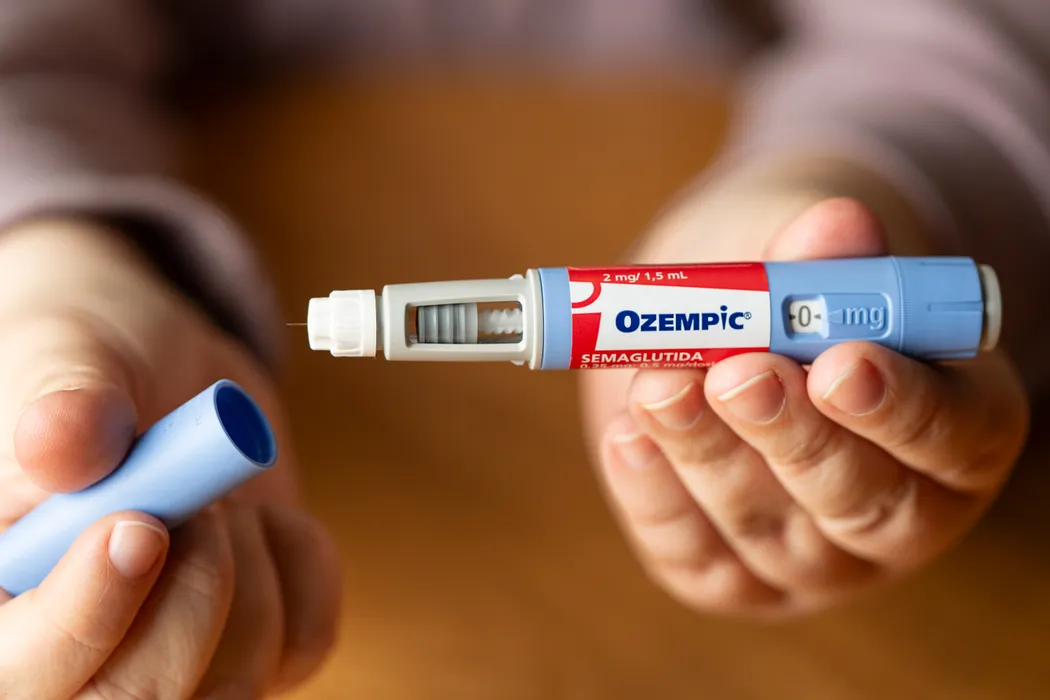
Ozempic is the brand name for the medicine semaglutide. It belongs to a group of drugs called GLP-1 receptor agonists. These medicines were originally developed to help adults with Type 2 diabetes lower their blood sugar levels.

During clinical studies, doctors noticed that many patients taking semaglutide experienced significant weight loss. This effect was linked to reduced appetite, slower digestion, and improved control over hunger. As a result, a higher-dose version of semaglutide was later developed and approved specifically for weight management under the name Wegovy.

Because Ozempic and Wegovy contain the same active ingredient, some doctors prescribe Ozempic off-label to help patients reduce weight, particularly when lifestyle changes alone have not produced results.

How Does the Ozempic Injection for Weight Loss Work?

To understand how weight loss happens with Ozempic injections, it helps to look at the role of hormones. GLP-1 is a hormone that your gut naturally releases after you eat. One of its main jobs is to signal to the brain that you are full.

Ozempic mimics this hormone, but it stays active in the body for much longer. This extended action is what makes it effective for weight loss. It works in several important ways.

  • Increases satiety: Ozempic sends signals to the brain that reduce hunger and cravings, helping you feel satisfied with smaller portions.
  • Slows gastric emptying: The medicine slows how quickly food moves from the stomach into the intestines. This means you feel full for longer after eating, which can naturally lower calorie intake.
  • Regulates blood sugar: Ozempic improves how the body responds to insulin and manages blood sugar levels, supporting overall metabolic health.

Together, these effects help quiet what many people describe as constant “food noise”. This makes it easier to follow a calorie-controlled diet and maintain healthier eating habits over time.
 

Dosage: How Much Ozempic for Weight Loss?

Ozempic is not taken as a daily tablet. It is a once-weekly self-injection delivered using a pre-filled pen designed for home use. Doctors usually follow a gradual dose increase, known as titration, to help the body adjust and to reduce side effects.

Typical Dosing Schedule

When discussing how much Ozempic for weight loss may be effective, the dosing plan commonly follows this pattern:

1.Weeks 1 to 4: 0.25 mg once weekly

This is a starter dose used to help the body get used to the medication. It is not intended for weight loss results.

2.Weeks 5 to 8: 0.5 mg once weekly

This is the dose at which many people begin to notice reduced appetite and early weight loss.

3.Maintenance phase:

If needed, and depending on tolerance and results, the dose may be increased to 1 mg or, in some cases, up to 2 mg once weekly.

Dose changes should always be guided by a doctor based on response and side effects.

What Is the Maximum Dose of Ozempic for Weight Loss?

When Ozempic is used off label for weight loss, the maximum dose is usually 2 mg per week, which is the highest dose approved for diabetes treatment.

It is worth noting that Wegovy, which contains the same active ingredient, semaglutide, is approved specifically for weight management and reaches a higher maximum dose of 2.4 mg per week. Because Ozempic pens are limited to 2 mg, people using Ozempic for weight loss may receive a slightly lower dose. Even so, many still see meaningful results.

Are There Ozempic Weight Loss Pills?

Many people look for Ozempic weight loss pills because they prefer to avoid injections. Ozempic itself is only available as an injection. However, semaglutide is also available in tablet form under the brand name Rybelsus.

Rybelsus is approved for Type 2 diabetes and may be prescribed off label for weight loss. That said, research suggests that injectable semaglutide is generally more effective for weight reduction than the oral form, especially at higher doses.
 

The Results: Ozempic Weight Loss Before and After

Does Ozempic actually work for weight loss? Both clinical research and real-life Ozempic weight loss stories suggest that it can be very effective when used correctly.


In large clinical studies involving semaglutide, participants lost an average of around 15 per cent of their body weight over 68 weeks when the medication was combined with diet and regular physical activity. This level of weight loss is considered significant and is much higher than what is usually seen with traditional weight loss pills or short-term diets.

Real-World Expectations

When you look at Ozempic weight loss before and after images online, the changes can seem dramatic. However, it is important to set realistic expectations and understand how progress usually unfolds.

  • The first month: Most people do not see major weight changes straight away. The initial 0.25 mg dose is mainly used to help the body adjust and reduce side effects, not to drive weight loss.
  • Months 3 to 6: This is often when the most noticeable weight loss occurs. As the dose increases, appetite suppression becomes stronger, and Ozempic injection–related fat loss tends to accelerate.
  • Plateaus: As with any weight loss approach, progress may slow over time. After around a year, many people experience plateaus where weight loss becomes more gradual or stabilises.


It is important to remember that Ozempic is not a cure on its own. The best and most sustainable results are seen when the medication is combined with healthy eating habits, regular movement, and long-term lifestyle changes.
 

Potential Side Effects and Safety

While Ozempic can be effective for weight loss, it is a strong prescription medicine and does come with potential side effects. Most side effects affect the digestive system and often improve as the body adjusts to the medication over time.

Common Side Effects

These are the most frequently reported effects, especially in the early weeks or after a dose increase:

  • Nausea: This is the most common side effect and is reported by a large number of users.
  • Vomiting and diarrhoea: These may occur if meals are too large or too rich.
  • Constipation: Some people experience slower bowel movements as digestion slows.
  • Stomach pain: This can include cramping, bloating, or general abdominal discomfort.
  • Fatigue: Feeling tired or low on energy is common, particularly during early weight loss.

Serious but Rare Risks

Although uncommon, more serious side effects can occur and should be understood before starting treatment:

  • Pancreatitis: This is inflammation of the pancreas and may cause severe, persistent abdominal pain that can spread to the back.
  • Gallbladder problems: Rapid weight loss can increase the risk of gallstones or gallbladder inflammation.
  • Thyroid tumours: In animal studies involving rodents, semaglutide caused thyroid C-cell tumours. It is not known whether this risk applies to humans. People with a personal or family history of Medullary Thyroid Carcinoma should not use Ozempic.
  • “Ozempic face”: This is a non-medical term used to describe facial volume loss or a gaunt appearance that can occur after rapid fat loss, rather than a direct effect of the drug itself.

Anyone considering Ozempic for weight loss should discuss these risks with a healthcare professional and have regular follow-ups to ensure the treatment remains safe and appropriate.
 

How to Get Ozempic for Weight Loss?

Because of its growing popularity, understanding how to get Ozempic for weight loss can feel confusing. There is a clear medical pathway, and it is important to follow it to ensure safety.

  • Consult a doctor: Ozempic is a prescription-only medicine and cannot be bought over the counter. You need to speak with a healthcare provider, such as a primary care doctor, an endocrinologist, or a licensed telehealth provider who specialises in weight management.
  • Qualifying criteria: Doctors generally consider GLP-1 medicines for weight loss if you have a body mass index (BMI) of 30 or higher, which falls into the obesity range. It may also be considered if your BMI is 27 or higher and you have a related health condition such as high blood pressure, high cholesterol, or Type 2 diabetes.
  • Insurance review: Because Ozempic is approved for Type 2 diabetes and not specifically for weight loss, many insurance plans do not cover it when prescribed solely for weight management. In such cases, you may need to pay out of pocket, which can be costly.

Ozempic Weight Loss: Where to Buy?

Once you have a valid prescription, the next question is where to buy Ozempic safely.

  • Standard pharmacies: Large chain pharmacies and established local pharmacies are the safest and most reliable sources. These ensure proper storage, handling, and authenticity of the medication.
  • Reputable telehealth services: Some licensed telehealth providers can prescribe Ozempic and arrange delivery through partner pharmacies. These services can be convenient, but it is important to check that they are legitimate and properly regulated.

A warning about compounding pharmacies: Due to high demand and supply shortages, some compounding pharmacies offer their own versions of semaglutide. Regulatory authorities have issued warnings about these products, as they are not tested or regulated in the same way as brand-name Ozempic. Whenever possible, it is safest to use the original branded injection supplied by a licensed pharmacy.
 

Conclusion: Is Ozempic Right for You?

Choosing to use the Ozempic injection for weight loss is an important medical decision. It is not intended for short-term or cosmetic weight loss, such as losing a few kilos for an event. Ozempic is generally considered a long-term treatment option for people living with obesity, which is recognised as a chronic medical condition.
If you are thinking about this option, it is essential to have an open and honest discussion with your doctor. Talk through your full medical history, any existing health conditions, your budget, and whether you are ready to commit to the lifestyle changes that are necessary alongside the medication. Ozempic works best when it is part of a broader, sustainable approach to health.
 

FAQS

How quickly will I see results with Ozempic?

Weight loss varies from person to person. Many people begin to notice some reduction in weight within the first 4 to 12 weeks as the dose is gradually increased. More noticeable Ozempic weight loss before and after changes are usually seen after around six months of consistent use, combined with healthy eating and regular physical activity.

What happens if I stop taking Ozempic?

Obesity is often managed as a long-term condition. Studies suggest that when semaglutide is stopped, appetite often returns and many people regain a significant portion of the weight they lost. For this reason, many doctors consider Ozempic a long-term or maintenance treatment rather than a short-term solution.

Can I get Ozempic for weight loss if I do not have diabetes?

Ozempic is approved for the treatment of Type 2 diabetes. However, doctors can legally prescribe it off label for weight loss if they believe it is appropriate. In some cases, a doctor may recommend Wegovy instead, which contains the same active ingredient but is approved specifically for weight management.

Is there a specific diet I should follow while on Ozempic?

There is no official “Ozempic diet”. However, because the medication reduces appetite, it is important to focus on nutrient-rich foods. Prioritise protein to help preserve muscle mass, eat plenty of vegetables, and stay well hydrated. High-fat and greasy foods are best limited, as they can worsen side effects such as nausea.

Does insurance cover Ozempic for weight loss?

Coverage depends on your individual insurance policy. Many insurers cover Ozempic only when it is prescribed for Type 2 diabetes. Coverage for off-label use for weight loss is less common. Some policies may cover Wegovy instead. It is always best to check your policy details or speak directly with your insurance provider.

Apollo 247 Floating Action Button