0

In this article

  • What Exactly Is “Ozempic Face”?
  • 4 Common Signs of Ozempic Face
  • The Reality of Ozempic Face Before and After
  • How to Avoid Ozempic Face?
  • How to Fix Ozempic Face Naturally?
  • Medical Treatments for Ozempic Face
  • Conclusion: Balancing Health and Aesthetics

Ozempic Face: Side Effects & What to Expect

Worried about “Ozempic face”? Learn the signs of Ozempic face, understand before and after changes, and discover natural ways to reduce facial changes linked to weight loss.

article image

Apollo Pharmacy

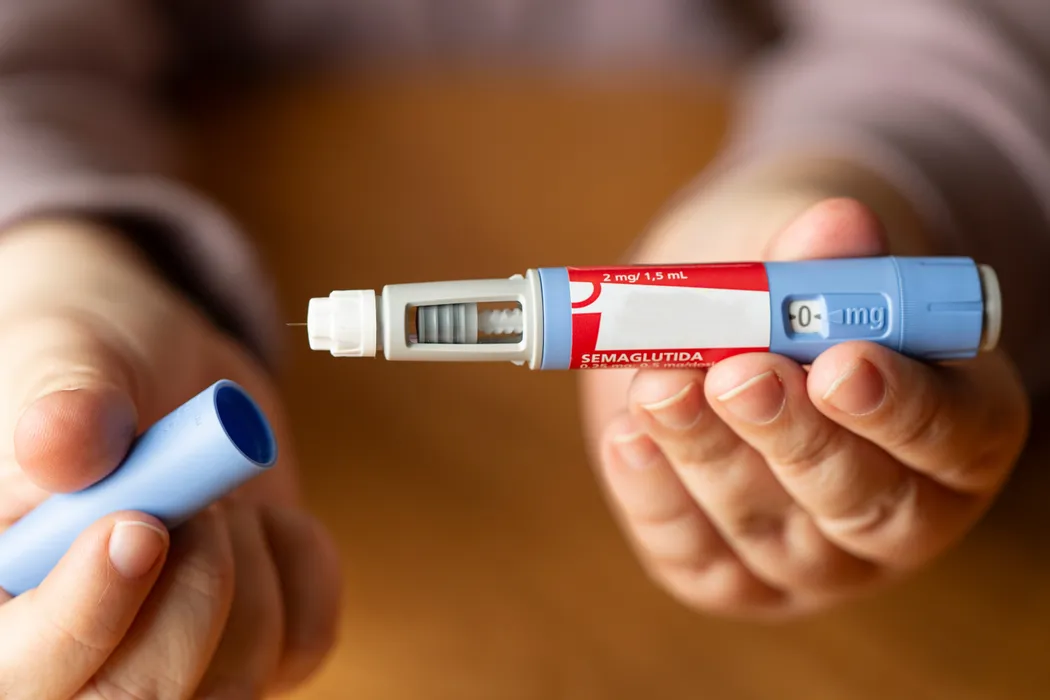
If you have been following health news or scrolling through social media recently, you have likely come across the term Ozempic face. The growing use of semaglutide medicines such as Ozempic and Wegovy has changed how Type 2 diabetes and obesity are treated. These medications are effective because they reduce appetite and slow digestion, helping people lose weight steadily or, in some cases, quite rapidly.

However, fast weight loss can also lead to visible changes in appearance. While many people are pleased with changes in body weight, some are surprised by how their face looks during the process. Loss of facial fullness, more visible lines, and a tired or sunken appearance are often what people mean when they talk about “Ozempic face”.
In this article, we explain why these facial changes happen, what you can realistically expect when looking at Ozempic face before and after changes, and how to manage or reduce these effects naturally.
 

What Exactly Is “Ozempic Face”?

The term Ozempic face is not an official medical diagnosis. It is a commonly used phrase by doctors, patients, and the media to describe facial changes such as sagging, hollowness, or an aged look that can appear during rapid weight loss.

It is important to be clear that Ozempic itself does not directly damage the skin or facial muscles. The medicine does not break down collagen or harm the skin. Instead, these changes are linked to how quickly and how much fat is lost while using the medication.

The Role of Facial Fat

Although body fat is often viewed negatively, facial fat plays an important role in how the face looks. The face contains natural fat pads around areas such as the cheeks, eyes, and temples. These fat pads provide volume, support the skin, and help maintain a smooth, youthful appearance.

When weight is lost rapidly with medicines like Ozempic, fat is reduced across the entire body, including the face. If facial fat decreases quickly, the skin may not tighten at the same pace. This can lead to loose or sagging skin, making facial features appear more hollow, tired, or aged.
 

4 Common Signs of Ozempic Face

How can you tell if you are experiencing this side effect? While everyone loses weight differently, there are a few facial changes that are commonly linked with Ozempic face.

  • Hollowed temples and cheeks: As facial volume reduces, the cheeks may appear sunken and the temples can look hollow or scooped out.
  • More noticeable wrinkles: Fine lines and wrinkles may become more visible, especially the nasolabial folds, which run from the nose to the corners of the mouth, and marionette lines, which extend from the mouth towards the chin.
  • Sagging jowls: When facial fat decreases, the skin around the jawline may lose support. This can cause the skin to droop and soften the definition of the jaw.
  • Crepey-looking skin: The skin may appear thinner, looser, or less elastic, giving it a slightly crinkled texture similar to crêpe paper.

The Reality of Ozempic Face Before and After

Searching online for Ozempic face before and after images can be quite striking, but it is important to view these comparisons with a balanced perspective.

  • Before: In many “before” images, people have fuller faces. The skin often appears smoother and more firm because underlying fat provides natural volume and support.
  • After: In many Ozempic face examples, the “after” images show noticeable weight loss. While the body may look slimmer and healthier, the face can appear more hollow, tired, or aged due to reduced facial volume.

It is also worth remembering that online images can be misleading. Factors such as lighting, camera angles, facial expressions, and hydration levels can significantly affect how the skin looks in photographs. Despite this, a common pattern seen in many transformations is a reduction in facial fullness that matches overall weight loss.

This effect is not unique to people using Ozempic. Similar facial changes are often seen after bariatric surgery or any situation involving rapid and significant weight loss. Ozempic is closely associated with this phenomenon mainly because of how widely it is used and how effectively it promotes weight reduction.
 

How to Avoid Ozempic Face?

If you are thinking about starting semaglutide, or have recently begun treatment, it is natural to wonder how to avoid Ozempic face. While you cannot control exactly where your body loses fat, you can influence how quickly you lose weight and how well your skin adapts during the process.

1. Aim for Gradual Weight Loss

One of the most effective ways to protect facial volume is to lose weight slowly and steadily. Rapid or extreme weight loss gives the skin very little time to adjust, increasing the risk of sagging and volume loss.

Tip: Speak to your doctor about dose titration. In some cases, staying on a lower dose for a longer period may help slow the pace of weight loss and reduce visible facial changes.

2. Prioritise Hydration

Dehydrated skin often looks dull, tired, and more wrinkled. Semaglutide can reduce appetite and thirst signals, which means some people unintentionally drink less water than they should.

Tip: Aim to drink around 2 to 3 litres of water each day. Proper hydration helps keep skin cells supported and may improve overall skin appearance.

3. Eat a Protein-Rich Diet

Your skin needs nutrients to stay firm and elastic. Protein plays a key role in the production of collagen and elastin, which help maintain skin structure.


Tip: Include good-quality protein at every meal, such as lean meats, fish, eggs, dairy, or plant-based options like lentils and tofu. This supports both muscle mass and skin health during weight loss.
 

How to Fix Ozempic Face Naturally?

If you have already started to notice facial sagging or volume loss, it does not automatically mean you need cosmetic procedures. Many people look for ways to fix Ozempic face naturally. While natural methods cannot fully replace surgical or injectable treatments, they can improve skin quality, firmness, and overall appearance over time.

Focus on Nutrition for Skin Elasticity

What you eat has a direct impact on how your skin repairs and supports itself. To help improve elasticity and structure, focus on including the following nutrients in your diet.

  • Vitamin C: This is essential for collagen production. Foods such as citrus fruits, strawberries, amla, kiwi, and bell peppers are good sources.
  • Omega-3 fatty acids: These help maintain the skin’s protective barrier, keeping it hydrated and flexible. They are found in fatty fish like salmon, as well as walnuts, chia seeds, and flaxseeds.
  • Antioxidants: Leafy greens, berries, and colourful vegetables contain antioxidants that protect skin cells from damage and slow down the breakdown of collagen.

Facial Exercises (Face Yoga)

Although scientific evidence is limited, some people find that facial exercises help improve tone and firmness.

Face yoga involves controlled facial movements that engage muscles around the cheeks, jawline, and eyes. Strengthening these muscles may slightly improve how the skin sits on the face and reduce the appearance of sagging caused by fat loss.

Maintain a Consistent Skincare Routine

Topical skincare cannot replace lost facial volume, but it can improve skin texture and make sagging less noticeable.

  • Retinoids (vitamin A): Retinol is widely used to stimulate collagen production and improve skin thickness over time.
  • Hyaluronic acid: This ingredient attracts and holds moisture, helping the skin look plumper and smoother and reducing the appearance of fine lines.
  • Sun protection: Ultraviolet exposure breaks down collagen and elastin. Using a broad-spectrum sunscreen with at least SPF 30 every day is one of the most effective ways to prevent further skin ageing and sagging.
     

Medical Treatments for Ozempic Face

In some cases, natural methods and lifestyle changes may not be enough to restore lost facial volume. If changes linked to Ozempic face are affecting your confidence or self-esteem, a dermatologist or cosmetic doctor may suggest medical treatments to improve facial appearance.

Dermal Fillers

This is one of the most commonly used options. Hyaluronic acid fillers are injected into areas such as the cheeks, temples, and jawline to replace lost volume. These fillers help lift the skin and restore facial contours, with results visible almost immediately.

Biostimulators

Biostimulators work differently from traditional fillers. Instead of adding instant volume, they encourage the body to produce its own collagen over time. Treatments like these offer more gradual improvement and can result in a more natural look as the skin becomes firmer and fuller over several months.

Skin Tightening Treatments

Non-surgical skin tightening procedures use ultrasound or radiofrequency energy to heat deeper layers of the skin. This controlled heat stimulates collagen production, which can improve firmness and reduce sagging over time. Results are not immediate and usually develop gradually over a few months.

Fat Transfer

In more pronounced cases of facial volume loss, a plastic surgeon may recommend fat transfer. This involves taking fat from another area of the body, such as the abdomen, and injecting it into the face. Because the fat comes from your own body, the results tend to look natural and can be longer lasting than synthetic fillers.
 

Conclusion: Balancing Health and Aesthetics


Losing weight to manage diabetes or obesity is a meaningful step towards better health. It can lower the risk of heart disease, stroke, joint pain, and other long-term complications. While Ozempic face is a cosmetic concern for some people, it needs to be considered alongside the significant health benefits that come with achieving and maintaining a healthier weight.

The key lies in awareness and realistic expectations. By understanding the signs of Ozempic face and knowing how to reduce the risk through gradual weight loss, good hydration, and proper nutrition, many people can limit its impact. If facial changes do occur, there are both natural and medical options available to improve skin appearance and restore confidence.

Always speak to your healthcare provider before starting a new medication or making major changes to your diet or exercise routine. A personalised approach is the safest and most effective way to balance health outcomes with aesthetic concerns.
 

FAQS

Is Ozempic face permanent?

The loss of facial volume tends to remain as long as the weight stays off. Fat cells that shrink do not usually expand again unless weight is regained. That said, skin elasticity may improve slightly over time, and cosmetic treatments can help restore lost volume if desired.

Does Ozempic face happen to everyone?

No. It varies from person to person. Factors such as age, genetics, skin elasticity, and the amount and speed of weight loss all play a role. Younger individuals and those with more elastic skin are generally less likely to experience noticeable sagging.

Will stopping Ozempic fix my face?

If the medication is stopped and weight is regained, facial fat may return and fill out the skin. However, repeated cycles of losing and gaining weight can weaken skin elasticity over time, which may lead to more sagging in the long term.

How quickly does Ozempic face develop?

The timing varies, but changes are more likely once a significant amount of weight is lost, often around 10 to 15 per cent of body weight. For some people, this can occur within the first three to six months of treatment.

Can drinking water prevent Ozempic face?

Staying hydrated cannot stop fat loss in the face, but it does help improve skin elasticity and overall skin health. Well-hydrated skin tends to look smoother and fuller, which can reduce the appearance of wrinkles and sagging.

Apollo 247 Floating Action Button