0

Pacifier for Newborn Baby: Benefits, Safety & Best Picks

Learn about pacifiers for newborn babies, including benefits, safety guidelines, when to introduce them, and how to choose the best pacifier for your infant.
 

article image

Dr. J.T.Hema Prathima

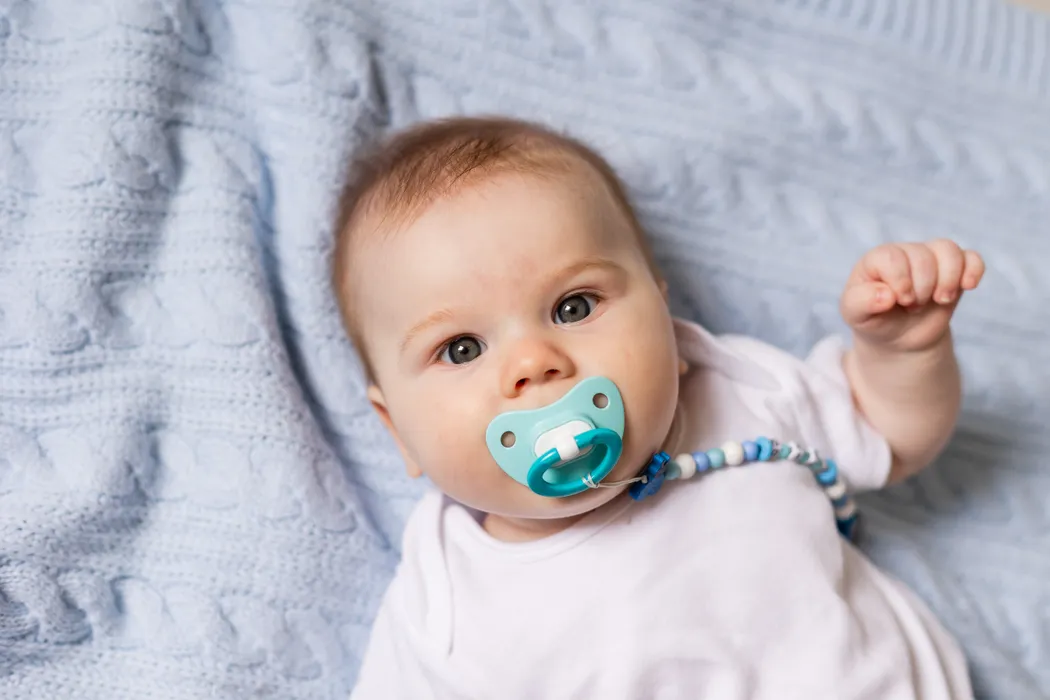
Welcoming a newborn into the world is an incredible experience, but it can also come with sleepless nights and constant efforts to soothe a crying baby. Many new parents spend hours trying to calm their little ones, especially during the first few weeks. This is where a pacifier for a newborn baby can become a helpful and comforting tool. Babies are born with a natural suckling reflex. Even when they are not hungry, sucking provides them with a strong sense of comfort and security. While breast milk or formula satisfies their nutritional needs, a pacifier offers what doctors call “non-nutritive sucking", which helps babies relax and self-soothe.

However, with so many shapes, sizes, and materials available in the market, choosing the right pacifier can feel confusing. Parents also often worry about safety, dental effects, and the correct time to introduce a pacifier. In this guide, we will explore the benefits, safety tips, and expert recommendations to help you choose the safest and most suitable pacifier for your newborn.
 

Understanding the Natural Suckling Reflex

Before choosing a pacifier, it helps to understand why babies naturally enjoy sucking. The suckling reflex begins developing while babies are still in the womb. This reflex is essential for feeding, allowing newborns to drink milk from the breast or bottle. However, sucking is not only related to hunger. The rhythmic motion of sucking activates a calming response in the baby’s nervous system. It can slow the heart rate, relax muscles, and help babies feel secure. That is why many babies suck their thumbs, fingers, or nearby objects. A newborn baby pacifier provides a safe and hygienic way to satisfy this natural instinct without overfeeding.

Explore Pacifiers Here
 

Load more products

Top Benefits of a Newborn Baby Pacifier

Using a pacifier is a personal decision for parents, but several paediatric health organisations highlight potential benefits.

1. May Reduce the Risk of SIDS

One of the most widely discussed benefits of pacifiers is their association with a lower risk of Sudden Infant Death Syndrome (SIDS). Health experts, including those referenced by the CDC, suggest offering a pacifier during naps and bedtime. Researchers believe pacifiers may help keep babies in a lighter sleep state and maintain open airways, which may reduce the risk of sleep-related breathing problems.

2. Helps Soothe a Crying Baby

Sometimes babies cry even after being fed, burped, and changed. In these situations, a pacifier can help calm them. The sucking motion releases endorphins, natural calming chemicals that help babies relax and settle down more easily.

3. Comfort During Medical Procedures

Newborns often undergo small medical procedures such as vaccinations, blood tests, or heel pricks. Paediatric healthcare providers sometimes use pacifiers to comfort infants and help reduce stress during these procedures.

4. Helps During Air Travel

Air travel can cause pressure changes in a baby’s ears. Sucking on a pacifier encourages swallowing, which helps equalise ear pressure and may reduce discomfort during flights.
 

Safety Rules for Newborn Baby Pacifiers

Safety should always be the top priority when using a pacifier. Following proper hygiene and safety guidelines can prevent choking hazards and infections.

  • Choose a One-Piece Design: Single-piece silicone pacifiers are generally considered the safest because they cannot easily break apart.
  • Keep the Pacifier Clean: Before the first use, boil the pacifier in water for five minutes. Afterward, clean it regularly with warm water and mild soap.
  • Avoid Strings or Ribbons: Never tie a pacifier around your baby’s neck or attach it to long cords, as this may create a strangulation hazard.
  • Inspect Before Use: Check the pacifier regularly for cracks, tears, or signs of wear. Replace it immediately if any damage is visible.
  • Do Not Use Sweeteners: Avoid dipping pacifiers in sugar, syrup, or honey. Honey should never be given to infants under one year due to the risk of infant botulism.
     

How to Choose the Best Pacifier?

Babies can be surprisingly selective when it comes to pacifiers. Finding the right one may require trying a few different types.

Silicone vs. Latex

  • Silicone Pacifiers: Silicone is durable, odour-resistant, and easy to sterilise. Most hospitals recommend medical-grade silicone pacifiers for newborns.
  • Latex Pacifiers: Latex pacifiers are softer and more flexible, which some babies prefer. However, they wear out faster and may cause allergic reactions in sensitive babies.

Nipple Shape

  • Orthodontic Shape: These pacifiers are flat on the bottom and rounded on top, designed to support natural oral development.
  • Rounded (Cherry) Shape: These pacifiers have a larger round tip and may feel more similar to some bottle nipples.

Correct Size

Pacifiers are designed for specific age groups to ensure safety. For newborns, choose pacifiers labelled 0–3 months or newborn size. Using the correct size helps prevent gagging or choking risks.
 

When to Introduce a Pacifier?

If your baby is formula-fed, a pacifier can usually be introduced immediately. For breastfed babies, paediatric experts often recommend waiting about 3 to 4 weeks until breastfeeding is well established. This helps reduce the risk of nipple confusion and ensures proper milk supply.
 

When to Stop Pacifier Use?

Pacifiers are most helpful during the newborn stage, but long-term use may affect dental development. Health experts recommend gradually reducing pacifier use between 6 and 12 months, with complete weaning ideally by 2 to 3 years of age.
 

Conclusion

A pacifier can be a helpful and comforting tool for many newborns when used correctly and safely. Because babies are born with a natural suckling reflex, pacifiers can provide soothing comfort, help calm fussiness, and even support safer sleep practices when used during naps and bedtime. However, choosing the right pacifier is important. Parents should always select newborn-sized, high-quality pacifiers made from safe materials, follow proper hygiene practices, and regularly inspect them for wear or damage. Introducing a pacifier at the right time, especially for breastfeeding babies, can also help prevent feeding challenges. Most importantly, every baby is different. Some infants love pacifiers, while others may not show interest at all. As a parent, observing your baby’s needs and consulting with your paediatrician when necessary can help you make the best decision for your child’s comfort and development. When used thoughtfully, a newborn baby pacifier can be a simple yet effective tool to support both your baby’s calmness and your peace of mind during those early months of parenthood.

Explore Pacifiers Here
 

Load more products

FAQS

Will a pacifier affect breastfeeding?

Introducing a pacifier too early may interfere with breastfeeding for some babies. To avoid nipple confusion, many experts recommend waiting 3–4 weeks until breastfeeding is established.

Can my baby sleep with a pacifier?

Yes. In fact, offering a pacifier at nap time and bedtime is associated with a reduced risk of SIDS. If the pacifier falls out during sleep, it is not necessary to replace it.

How often should a pacifier be replaced?

Pacifiers should generally be replaced every 4–8 weeks, depending on how frequently they are used. Replace them sooner if you notice wear or damage.

What if my baby refuses a pacifier?

Not all babies accept pacifiers. If your baby refuses it, do not force it. You can try different shapes or materials, or use other soothing techniques such as swaddling or rocking.

How should I clean a pacifier that falls on the floor?

If a pacifier drops on the floor, wash it thoroughly with warm water and mild soap before giving it back to your baby. Avoid cleaning it with your own mouth, as adult bacteria can transfer to the baby.

Apollo 247 Floating Action Button