Feeling muscle soreness after a great workout is normal. It usually signifies your body is adjusting and becoming more robust. Although it is annoying, there are plenty of pain relief techniques you can try safely. In this article, we'll explain what happens to create the discomfort and give you a guide to remedies that work from easy at-home cures to drugs, all while considering your health.
Safe Pain Relief for Post-Workout Soreness
A simple guide to safe pain relief for muscle soreness. Learn about DOMS, at-home remedies, and medication options for middle-aged people.
Apollo Pharmacy
Understanding DOMS
That soreness that you feel a day or two later after physical activity has a name: Delayed Onset Muscle Soreness, or DOMS.
- DOMS is an indication of microscopic tears in your muscle fibers.
- It is a normal process of the repair and strengthening of the muscle.
- It tends to peak at 24-72 hours post a strenuous or novel bout of exercise.
- The pain is usually a dull ache, with stiffness or tenderness.
This kind of muscle soreness is a temporary and natural response to physical stress.
At-Home Remedies
Before reaching for medication, many natural remedies can provide effective safe pain relief.
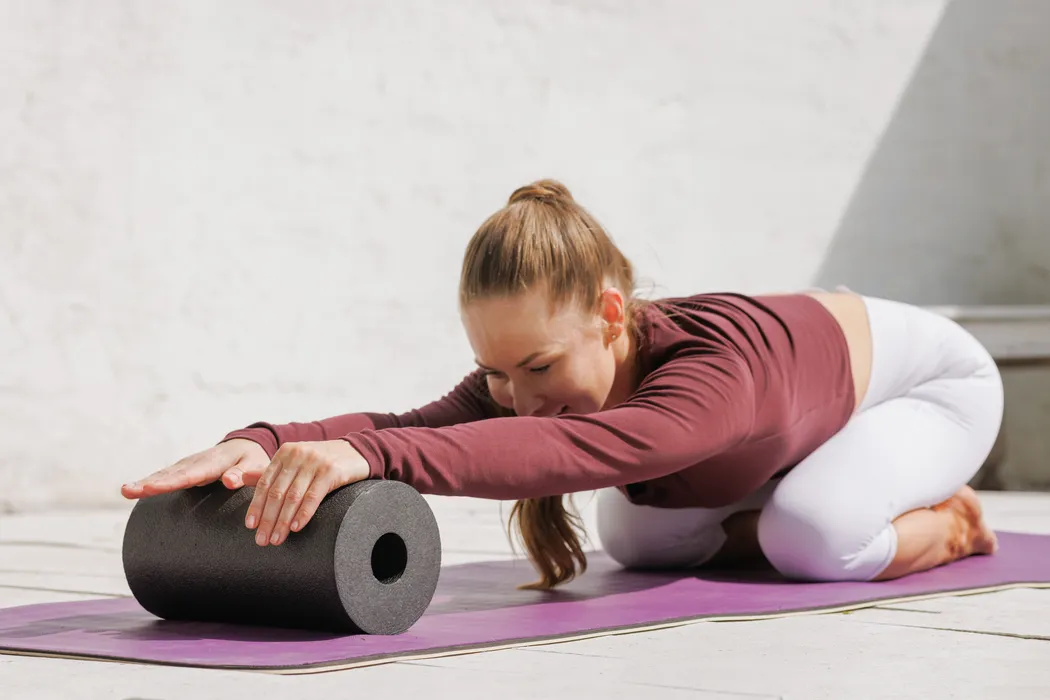
- Massage: Gentle massage or foam rolling increases blood flow and helps release tension.
- Heat & Cold Therapy: Use ice packs to reduce swelling and heat wraps to increase flexibility.
- Epsom Salt Baths: Soaking in a warm bath with Epsom salts may help muscles relax.
- Hydration: Adequate water intake is essential to cleanse waste products from injured muscles.
- Nutrition: Having a balanced meal with protein and carbohydrate helps in muscle repair and replenishing energy.
These over-the-counter techniques are a good first line of attack against muscle soreness.
OTC vs. Prescription
When non-prescription remedies do not help, over-the-counter (OTC) medications come to the rescue.
- NSAIDs: Nonsteroidal anti-inflammatory drugs such as ibuprofen can ease pain and swelling.
- Acetaminophen: Ideal for mild to moderate pain, not for inflammation reduction.
- Warning: Watch out for daily dose, as excessive intake can lead to liver or stomach problems.
- Talk to a Doctor: Always consult a health care professional prior to standard use, particularly if you have other medical conditions.
- Prescription: More powerful prescription-strength painkillers are usually saved for severe injury.
For safe pain management, OTC drugs can work when properly used.
Prevention Tips
The best solution for muscle soreness is avoiding it in the first place.
- Warm-up: Warm up with 10-15 minutes of light cardio and stretching to prepare your muscles for physical activity.
- Cool-down: End with a cool-down to avoid fluid from collecting in your muscles.
- Active Recovery: Light activity such as walking can alleviate soreness by providing increased blood flow.
- Gradual Progression: Gradually raise the intensity and duration of your exercise to enable your body to adjust.
These habits are a great method to reduce your future need for any safe pain relief.
Conclusion
Post-workout soreness is a natural process of becoming stronger. If you know what induces DOMS, you can assertively select the best practice. Begin with home treatments such as massage, hydration, and nutrition. As a last resort, OTC drugs are available to provide safe pain management, but always use them in moderation and in consultation. Don't forget that an optimal warm-up and cool-down routine is your strongest long-term prevention against muscle soreness.


