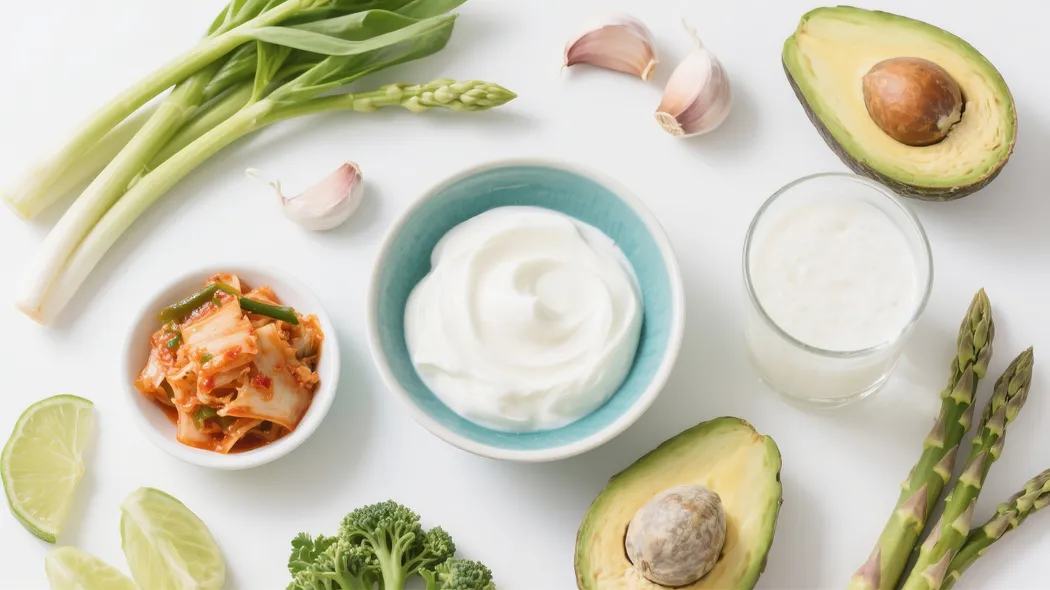
0

Probiotic vs Prebiotic for Weight Loss

Explore the differences between probiotics and prebiotics for weight loss. Learn how gut health affects metabolism and discover which supplement is most effective for your fitness goals.

article image

Dr. Mayank

When we think about shedding extra pounds, we usually focus on cutting calories or spending more time at the gym. However, modern science has revealed that the secret to a healthy metabolism might actually live inside your gut. Trillions of microorganisms, known as your gut microbiome, play a massive role in how your body digests food, stores fat, and regulates hunger.

Because gut health is so crucial, many people are now looking into the debate of probiotic vs prebiotic for weight loss. Should you take beneficial bacteria to boost your metabolism, or should you focus on feeding the bacteria you already have? In this comprehensive guide, we will explore the connection between gut health, probiotics, and weight loss, and how to choose the right approach for your body.

What Are Probiotics and Prebiotics?

To understand the probiotic vs prebiotic for weight loss debate, we first need to understand what these two terms mean. Though they sound similar, they perform very different jobs in your digestive system.

Probiotics: The "Good" Bacteria

Probiotics are live, beneficial bacteria and yeasts that naturally live in your body. When you consume them through food or supplements, they add to the population of healthy microbes in your gut. These bacteria help break down food, fight off bad bacteria, and produce vitamins.

Prebiotics: The Food for the Bacteria

Prebiotics, on the other hand, are not alive. They are specialised plant fibres that the human body cannot digest. Instead, they pass through your digestive system intact until they reach the colon, where they serve as fertiliser, or food for your healthy gut bacteria.

Think of your gut like a garden: probiotics are the healthy seeds you plant, while prebiotics are the fertiliser that helps them grow.

Do Probiotics Help With Weight Loss?

One of the most common questions health experts hear is: Do probiotics help with weight loss? Research suggests that the answer is yes, though they are not a magic pill.

There is a strong link between probiotics and weight loss. Studies have shown that people who are overweight tend to have a different composition of gut bacteria compared to people at a healthy weight. Taking probiotics for weight loss can help balance this microbiome.

Here is how probiotics help in weight loss:

  • Regulating Appetite: Probiotics help your body release appetite-reducing hormones like GLP-1 and PYY. Increased levels of these hormones can help you burn calories and feel fuller for longer.
  • Reducing Fat Storage: Certain probiotics may increase the levels of proteins that regulate fat storage, meaning your body absorbs less dietary fat from the food you eat.
  • Lowering Inflammation: Obesity is often linked to chronic, low-grade inflammation. Improving gut health can reduce systemic inflammation, making it easier for your body to drop stubborn weight.

The Best Strains: Lactobacillus Gasseri Weight Loss

Not all bacteria are created equal. When searching for weight loss probiotics, you need to look for specific strains.

The most well-researched strain is Lactobacillus gasseri. Multiple studies looking at Lactobacillus gasseri weight loss effects have found that it significantly reduces belly fat and body weight. Other beneficial strains include Bifidobacterium animalis and Lactobacillus rhamnosus.
 

Prebiotics for Weight Loss: The Unsung Heroes

While probiotics get most of the spotlight, you cannot ignore prebiotics for weight loss.

When your gut bacteria digest prebiotic fibres, they produce short-chain fatty acids (SCFAs) like butyrate. These SCFAs are incredible for weight management. They help regulate your fat metabolism and keep your blood sugar levels stable, which prevents the sudden spikes and crashes that lead to sugar cravings.

Additionally, because prebiotics are essentially dietary fibre, they expand in your stomach and slow down digestion. This keeps you feeling satiated, naturally reducing your daily calorie intake.

Probiotic vs Prebiotic for Weight Loss: How They Work Together

So, in the battle of probiotic vs prebiotic for weight loss, who wins? The truth is, they work best together.

Taking a probiotic without giving it the prebiotic fuel it needs to survive is like planting a seed in dry, barren soil. Conversely, eating prebiotics without a healthy baseline of gut bacteria means the fibre won't be fermented efficiently.

For the best benefits of probiotics for weight loss, experts recommend combining both. This is why many people turn to pre and probiotic capsules for weight loss, often called synbiotics. These supplements contain both the live bacteria and the specific fibre they need to thrive.

Food Sources: Is Probiotic Curd Good for Weight Loss?

Before looking at supplements, it is always best to start with your diet. Fermented foods are nature's delivery system for probiotics.

A very common dietary question is: Is probiotic curd good for weight loss? The answer is a resounding yes. Traditional curd (yoghurt) is packed with live, active cultures. Using probiotic curd for weight loss is effective because it is high in protein, which keeps you full, and it provides the beneficial bacteria your gut needs to optimise digestion. Just be sure to choose plain, unsweetened curd, as added sugars will feed bad bacteria and hinder your progress.
Other Natural Probiotic Sources:

  • Kefir
  • Sauerkraut
  • Kimchi
  • Kombucha

Natural Prebiotic Sources:

  • Garlic and onions
  • Under-ripe (green) bananas
  • Oats and barley
  • Apples (especially the skin)

Choosing the Right Supplement

Sometimes, getting enough gut-boosting nutrients from food alone is difficult. That is where a probiotic for weight loss comes in handy.

When shopping for probiotic supplements for weight loss, you will likely encounter a wide variety of brands. For example, many consumers look for specific commercial formulations like a purely inspired probiotic weight loss supplement.

If you are researching purely inspired probiotics weight loss reviews or wondering about purely inspired probiotics and weight loss results, the key is to look past the brand name and check the ingredient label.

A high-quality supplement for probiotics weight loss should have:
1. At least 10 to 50 billion CFUs (Colony Forming Units).
2. Clinically studied strains (like Lactobacillus gasseri).
3. Added prebiotics (making it a synbiotic) to ensure the bacteria survive the journey to your colon.
 

When to Take Probiotics for Weight Loss?

Timing can impact how well your supplements work. So, when to take probiotics for weight loss?

Stomach acid can easily kill delicate probiotic bacteria. To ensure maximum survival, it is generally recommended to take your probiotics on an empty stomach, about 30 minutes before a meal, or right as you sit down to eat. Taking them with a meal that contains healthy fats and complex carbs (prebiotics) gives the bacteria a protective buffer and a food source as they travel through your digestive tract. Consistency is key; take them at the same time every day to see the best results.
 

FAQS

Can probiotics alone make me lose weight?

No, probiotics are not a miracle cure. While probiotics and weight loss are connected, supplements must be paired with a balanced, calorie-controlled diet and regular physical activity to see noticeable results. They help optimise your body's natural fat-burning and appetite-control mechanisms.

How long does it take for probiotics to help with weight loss?

Gut microbiomes take time to change. Most people notice improvements in digestion (like less bloating) within a few weeks, but for noticeable weight loss results, it usually takes consistent use over 8 to 12 weeks, alongside healthy lifestyle changes.

Are there any side effects to taking prebiotics and probiotics?

When you first start taking prebiotics or probiotics, you might experience mild digestive changes like gas, bloating, or an upset stomach. This is a normal sign that your gut bacteria are shifting and rebalancing. These symptoms usually pass within a few days.

Can I get enough prebiotics and probiotics just from my diet?

Yes, a diet rich in fruits, vegetables, whole grains, and fermented foods can provide ample prebiotics and probiotics. However, if you have a disrupted gut microbiome due to poor diet, stress, or recent antibiotic use, high-quality supplements can help kickstart the healing process.

What is the difference between a regular probiotic and a weight loss probiotic?

A standard probiotic is generally aimed at overall digestive health and immune support. A specific weight-loss probiotic usually contains targeted bacterial strains, such as Lactobacillus gasseri or Bifidobacterium lactis, which have been clinically shown in studies to reduce body fat and waist circumference.

Apollo 247 Floating Action Button