Protein Hair Masks are designed to strengthen hair strands, reduce breakage, and restore vitality after exposure to stress, heat, or pollution. In India, where many people consume a diet naturally rich in lentils, dairy, and pulses, it’s easy to assume additional protein isn’t needed. However, hair damage often depends more on styling habits, water quality, and chemical exposure than diet alone. This guide explores how protein benefits hair health, when external masks are useful, and how to choose between store-bought and DIY options. Whether you are a woman seeking smoother strands or a man addressing thinning hair, these tips will help you decide if Protein Hair Masks fit your routine.
Protein Hair Masks: Are They Needed For Indian Diets?
Learn if Protein Hair Masks suit Indian diets, which masks to use, DIY recipes, usage tips, and recovery routines. Simple, science-backed guidance for women and men seeking stronger, healthier hair.
Apollo Pharmacy
1. Why Protein for Hair?
- Hair is composed primarily of keratin, a structural protein responsible for its strength and elasticity.
- Frequent styling, colouring, pollution, and sun exposure degrade this keratin layer, leaving hair rough and fragile.
- Protein Hair Masks restore missing amino acids by coating and reinforcing damaged areas along the shaft.
- They can help reduce hair fall caused by breakage and improve elasticity with consistent use.
- While most Indian diets include ample dietary protein from lentils, pulses, paneer, or fish, external application targets localised hair damage more directly.
- People following vegetarian or low-protein diets may benefit from occasional topical reinforcement.
- Consider using Protein Hair Masks if hair feels straw-like, limp, or overly porous after chemical treatments.
- Assess scalp health before starting protein treatments—oily or inflamed scalps may require gentle, diluted formulas.
- Combining protein masks with balanced hydration ensures results without stiffness.
- Using protein in moderation keeps strands resilient without overloading them.
2. Best Masks
- Choose Protein Hair Masks that suit Indian hair types, which often vary from fine to thick and wavy.
- Salon-grade keratin masks deliver intensive repair, ideal for chemically straightened or coloured hair.
- Masks containing wheat protein, silk protein, or hydrolysed collagen penetrate hair more effectively than raw ingredients.
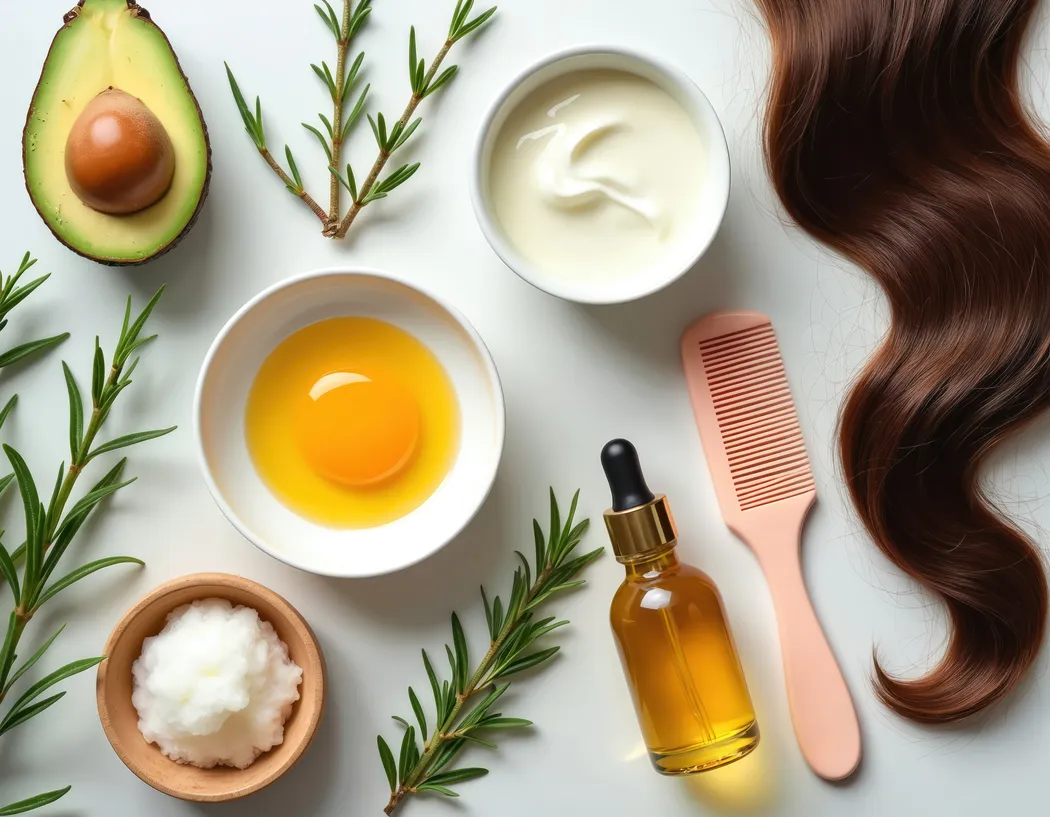
- For natural alternatives, curd or paneer masks offer mild protein nourishment without buildup.
- Egg-based masks provide deep repair for dry or damaged strands but may leave a faint odour—adding a few drops of lemon helps neutralise it.
- Gram flour (besan) or chickpea protein masks give gentle reinforcement for oily scalps prone to buildup.
- Coconut milk and banana blends provide both protein and moisture balance, perfect for Indian humidity.
- Read product labels for ingredient transparency and avoid heavy silicone buildup.
- Lightweight formulas are better for fine or oily hair that tends to get flat after protein treatments.
- Always pick trusted, dermatologist-recommended brands from verified sources like apollopharmacy.in.


3. DIY Recipes
- Egg and curd mask: Beat one egg with two tablespoons of curd and a teaspoon of honey for deep nourishment.
- Yoghurt and fenugreek mask: Soak fenugreek seeds overnight, grind into a paste, and mix with yoghurt to fight dandruff and hair fall.
- Banana and coconut milk blend: Adds shine and smoothness while improving elasticity.
- Amla powder and yoghurt mix: Boosts natural vitamin C content, encouraging stronger roots and shinier hair.
- Paneer or milk cream mask: Provides mild protein conditioning suitable for sensitive scalps.
- Apply DIY masks to damp hair, leave for 20–30 minutes, and rinse with lukewarm water for best results.
- Avoid hot water rinses, as heat can strip protein and moisture from strands.
- Use these Protein Hair Masks weekly or once every 10 days for deeper repair.
- Patch-test homemade mixes to prevent allergic reactions or scalp sensitivity.
- For lasting improvement, alternate between protein and moisturising masks to balance strength and softness.
4. Usage Tips
- Always apply masks on clean, slightly damp hair to enhance absorption.
- Start with mid-lengths and ends; avoid applying thick protein pastes directly on the scalp.
- Leave the mask for the recommended duration—overuse can make hair stiff or brittle.
- Rinse thoroughly with cool to lukewarm water and follow with a light conditioner if needed.
- Use Protein Hair Masks only once per week to avoid over-proteinization.
- Alternate with hydrating or oil-based masks to maintain elasticity and prevent protein overload.
- Overuse of protein without moisture can cause “straw hair syndrome,” making strands feel hard and inflexible.
- Gently towel-dry and use minimal heat styling after protein treatment to preserve benefits.
- Track progress by noting texture, shine, and breakage reduction over 3–4 weeks.
- Choose lightweight leave-in conditioners afterward to keep protein sealed in without residue.
5. Recovery Routine
- Complement topical care with internal nourishment—eat a balanced diet rich in lentils, paneer, eggs, fish, tofu, and pulses.
- Most Indians meet protein requirements through food, but frequent hair damage may still need topical help.
- Consider collagen or biotin supplements if your doctor confirms low protein intake or absorption issues.
- Massage your scalp twice weekly with warm coconut or almond oil to stimulate blood flow and improve nutrient delivery.
- Follow protein treatments with a mild shampoo and hydrating conditioner to lock in results.
- Limit harsh styling tools, excessive brushing, and chemical processes during recovery.
- Consistency is key—results improve over 4–8 weeks of steady care.
- Find dermatologist-approved masks and supplements on apollopharmacy.in for trusted options.
- Combine internal nutrition, external care, and stress management for the best hair health outcomes.
- Regular monitoring helps fine-tune what your hair truly needs—protein, hydration, or both.
Conclusion
Protein Hair Masks can be a valuable addition to your routine if your hair feels weak, dull, or over-processed. While Indian diets generally provide adequate dietary protein, external masks act as a quick repair system for damaged strands. The key lies in balance—too little protein leaves hair fragile, while too much makes it stiff. Start slowly, observe results, and consult a dermatologist or trichologist if you’re unsure. Combine proper nutrition, mild cleansing, and periodic protein treatments for holistic hair health. For convenience, explore reliable keratin and protein mask brands on apollopharmacy.in, where verified options make finding the right product easier and safer.


