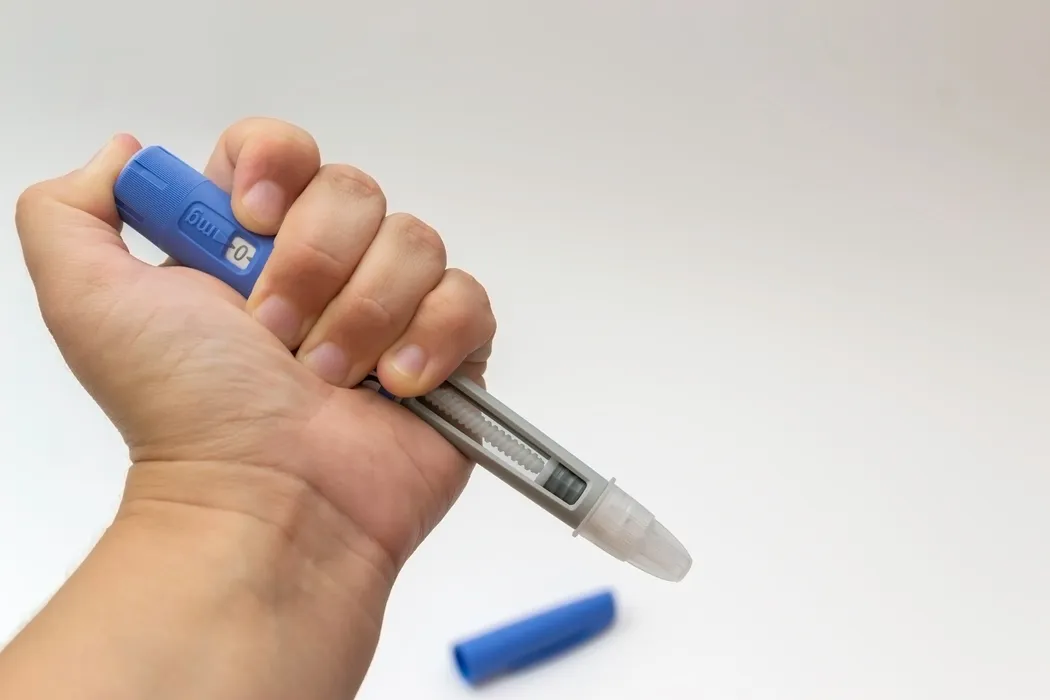
The Semaglutide Patent Expiry Impact on Indian Pharma
The patents protecting brand-name semaglutide are set to expire in various global markets over the next few years, with some expirations in India and other developing nations expected as early as 2026.
When analyzing the semaglutide patent expiry impact on indian pharma, industry experts agree that it represents a monumental shift. Indian pharmaceutical companies have long been recognized as the "pharmacy of the world," producing roughly 20% of the world's global supply of generic medicines. Top-tier companies in India have already begun investing heavily in reverse-engineering the drug's complex peptide structures.
By preparing years in advance, Indian drug manufacturers are positioning themselves to flood the market with high-quality, affordable alternatives the moment the legal barriers are lifted. This preparation will not only lower prices but also stabilize global supply chains, ending the frequent drug shortages that currently plague patients.
A Major Boost for the Indian Generic Drug Market
This transition represents an incredibly lucrative opportunity for the indian generic drug market. Historically, India has dominated the production of simple, small-molecule generic pills (like ibuprofen or basic blood pressure medications). However, GLP-1 drugs are peptides, which are much more complex and difficult to manufacture.
The rush to produce generic semaglutide is forcing Indian manufacturers to upgrade their laboratories, invest in cutting-edge biotechnology, and hire top-tier scientific talent. As a result, the indian generic drug market is evolving from producing basic pills to manufacturing advanced, high-tech therapeutics. This evolution will bring billions of dollars in revenue to the Indian economy while simultaneously saving healthcare systems worldwide billions in prescription costs.