0

In this article

  • What is Semaglutide?
  • Common vs. Serious Side Effects of Semaglutide
  • The Most Serious Side Effects of Semaglutide
  • Important Semaglutide Warnings to Keep in Mind
  • Semaglutide Long Term Side Effects
  • When to Stop Taking Semaglutide?
  • How to Minimise Semaglutide Risks?
  • Conclusion

Serious Side Effects of Semaglutide: What You Need to Know

Understand the serious side effects of semaglutide, including rare risks, warning signs, and when to seek medical help for safe treatment use.

article image

Dr. Vasantha Sree

In recent years, the medical world has experienced a massive shift in how we treat type 2 diabetes and obesity. Medications like Ozempic and Wegovy have become household names, celebrated for their remarkable ability to lower blood sugar and help people shed unwanted pounds. The active ingredient in these medications, semaglutide, has truly changed lives.

However, as with any powerful medication, it is not without its downsides. While many people experience only mild discomfort when starting this medication, it is absolutely vital to be aware of the serious side effects of semaglutide.

Whether you are currently taking this medication or considering talking to your doctor about a prescription, being informed is your best defense. In this comprehensive guide, we will explore how the drug works, outline the most severe complications, and help you understand exactly how to protect your health.

What is Semaglutide?

Before diving into the side effects, it helps to understand what this medication actually does. Semaglutide belongs to a class of drugs known as GLP-1 (glucagon-like peptide-1) receptor agonists.

Simply put, semaglutide mimics a natural hormone in your body that tells your brain you are full, slows down the emptying of your stomach, and prompts your pancreas to release insulin when your blood sugar is high. This trifecta makes it highly effective for managing type 2 diabetes and promoting significant weight loss.

Common vs. Serious Side Effects of Semaglutide

When you first start taking semaglutide, your doctor will likely warn you about "starter" side effects. Because the medication changes how your digestive system operates, mild gastrointestinal distress is incredibly common.

Common, mild side effects include:

  • Nausea and vomiting
  • Diarrhoea or constipation
  • Stomach cramps
  • Fatigue
  • Occasional dizziness

Usually, these symptoms fade as your body adjusts to the medication. However, what we really need to pay attention to are the serious side effects of semaglutide. These are rare but potentially life-threatening conditions that require immediate medical intervention.

The Most Serious Side Effects of Semaglutide

While most patients use this medication safely, clinical trials and post-market monitoring have revealed several severe complications. Here is a breakdown of the most serious side effects of semaglutide that you should never ignore.

1. Pancreatitis (Inflammation of the Pancreas)

Your pancreas is a vital organ that helps digest food and regulate blood sugar. Semaglutide can sometimes cause this organ to become severely inflamed, a condition known as acute pancreatitis.

  • Signs to watch for: Sudden, severe pain in your upper stomach that may radiate to your back. This pain is often accompanied by intense vomiting and a rapid heartbeat. If you feel this, seek emergency medical care.

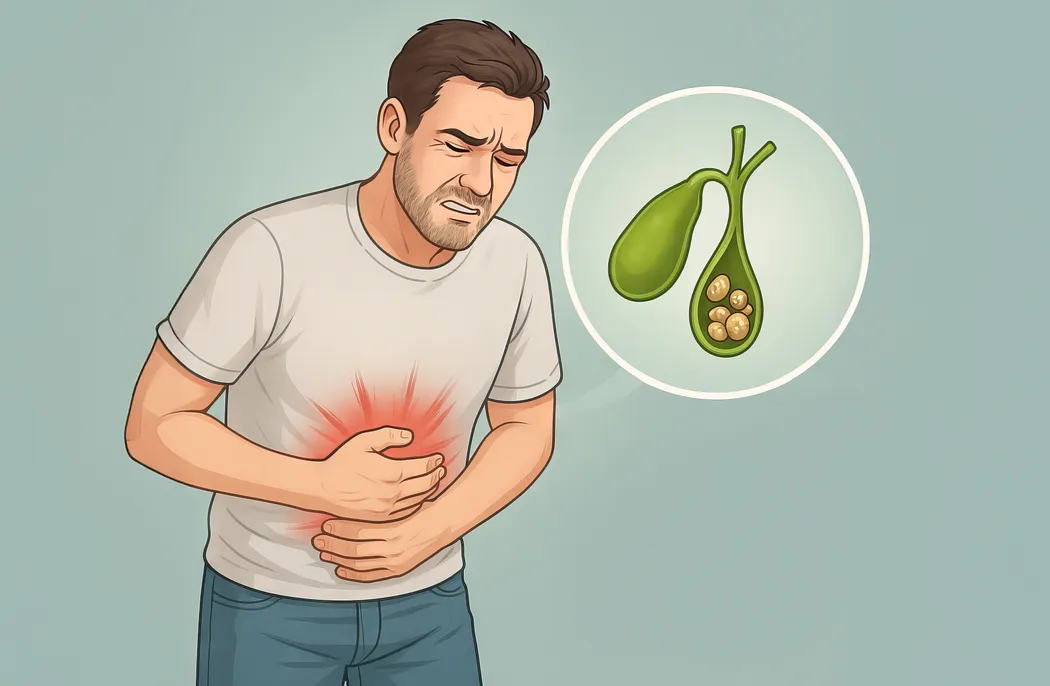
2. Gallbladder Disease and Gallstones

Rapid weight loss is known to cause gallbladder issues, and semaglutide is no exception. Some patients develop gallstones or cholecystitis (inflammation of the gallbladder).

  • Signs to watch for: Sharp pain in the upper right side of your stomach, yellowing of your skin or eyes (jaundice), fever, and clay-colored stools.

3. Acute Kidney Injury

While semaglutide does not directly attack the kidneys, the common side effects of nausea, vomiting, and diarrhea can lead to severe dehydration. If you become too dehydrated, your kidneys can struggle to filter waste, leading to acute kidney injury or worsening existing kidney disease.

  • Signs to watch for: A significant decrease in urination, swelling in your legs or ankles, and unexplained confusion or extreme fatigue.

4. Severe Gastroparesis (Stomach Paralysis)

Because semaglutide works by slowing down digestion, in rare cases, it can slow the stomach down too much. This results in gastroparesis, a condition where the stomach practically stops moving food into the intestines.

  • Signs to watch for: Chronic, severe nausea, vomiting up undigested food eaten days prior, extreme bloating, and severe acid reflux.

5. Diabetic Retinopathy Complications (Vision Changes)

For patients who already have type 2 diabetes, rapid drops in blood sugar can temporarily worsen diabetic retinopathy a condition that causes damage to the blood vessels in the retina.

  • Signs to watch for: Blurred vision, floating spots in your vision, or sudden loss of sight.
Important Semaglutide Warnings to Keep in Mind

To keep patients safe, the FDA requires specific semaglutide warnings to be placed on the medication's packaging. The most prominent of these is a "Black Box Warning"—the strictest warning issued for prescription drugs.

The Risk of Thyroid Tumors and Cancer

In animal studies (specifically in rodents), semaglutide caused thyroid C-cell tumors, including medullary thyroid carcinoma (MTC). While it is still unknown if semaglutide causes these tumors in humans, the warning stands as a vital precaution.

You should not take semaglutide if:

  • You or a family member have a history of Medullary Thyroid Carcinoma (MTC).
  • You have Multiple Endocrine Neoplasia syndrome type 2 (MEN 2).

Furthermore, you should contact your doctor immediately if you develop a lump or swelling in your neck, hoarseness, trouble swallowing, or shortness of breath.

Semaglutide Long Term Side Effects

Because medications like Wegovy and Ozempic are relatively new in the context of widespread, long-term weight loss treatment, researchers are still studying semaglutide long term side effects. However, a few trends have emerged that patients should prepare for:

  • Muscle Loss (Sarcopenia): When you lose weight rapidly on semaglutide, you aren't just losing fat; you are also losing lean muscle mass. Over the long term, significant muscle loss can weaken your metabolism and reduce your physical strength. Eating a high-protein diet and engaging in strength training is highly recommended.
  • Nutritional Deficiencies: Because semaglutide drastically reduces your appetite, you may struggle to eat enough food to get your daily vitamins and minerals. Long-term use can result in deficiencies in iron, B12, and vitamin D, leading to hair loss, fatigue, and bone density issues.
  • Facial Ageing ("Ozempic Face"): Rapid fat loss can cause the skin on the face to sag, making a person look older or gaunt. While this is a cosmetic issue rather than a medical danger, it is a long-term effect many patients experience.

When to Stop Taking Semaglutide?

Knowing when to stop taking semaglutide can literally save your life. You should not abruptly stop taking your medication just because of mild nausea, but there are clear red flags that require you to cease the medication and seek emergency help.

Stop taking the medication and call your doctor immediately if you experience:
1. Signs of a Severe Allergic Reaction: This includes swelling of your face, lips, tongue, or throat, severe rash or itching, problems breathing, or a very rapid heartbeat.
2. Unbearable Stomach Pain: If you have severe, unyielding pain in your abdomen that doesn't go away (with or without vomiting), this could be a sign of pancreatitis or gallbladder failure.
3. Changes in Your Vision: Any sudden blurry vision or vision loss.
4. A Lump in Your Neck: As mentioned in the warnings, trouble swallowing or a new lump in your neck could indicate thyroid issues.
5. Severe Dehydration: If you cannot keep fluids down for more than 24 hours, you must stop the medication to protect your kidneys.

How to Minimise Semaglutide Risks?

If you and your doctor decide this medication is right for you, there are several proactive steps you can take to manage semaglutide risks effectively.

  • Hydrate Constantly: Drink plenty of water throughout the day. This protects your kidneys and helps alleviate constipation.
  • Eat Small, Bland Meals: To avoid overtaxing your slowed-down stomach, eat smaller portions. Avoid greasy, highly processed, or overly spicy foods, which can trigger severe vomiting.
  • Don't Skip Follow-Ups: Regularly check in with your healthcare provider to monitor your blood work, kidney function, and thyroid health.
  • Prioritise Protein and Lifting: Protect your muscle mass by prioritising protein in your smaller meals and lifting weights a few times a week.

Conclusion

Semaglutide has undoubtedly transformed the management of type 2 diabetes and obesity, offering powerful benefits that improve both quality of life and long-term health outcomes. However, like any potent medication, it comes with risks that should never be overlooked.
Understanding the serious side effects of semaglutide is not meant to create fear, but to empower you. When you know the warning signs whether it is severe abdominal pain, vision changes, or unusual swelling you are better equipped to act quickly and protect your health.
The key to using semaglutide safely lies in balance. Regular medical supervision, honest communication with your doctor, and close attention to your body’s signals can significantly reduce risks while maximising benefits.
Ultimately, semaglutide is a valuable tool, not a standalone solution. When used responsibly and combined with healthy lifestyle choices, it can support meaningful, lasting improvements in health while keeping your safety firmly at the centre of your journey.

FAQS

Does semaglutide cause stomach paralysis?

Yes, in rare cases, semaglutide can cause a condition called severe gastroparesis, or stomach paralysis. Because the drug intentionally slows stomach emptying, some patients experience an extreme version of this, leading to severe, continuous vomiting and inability to digest food. If you cannot keep food down, consult your doctor.

Can semaglutide affect my mental health?

While rare, there have been reports of patients experiencing mood changes, depression, and even suicidal thoughts while taking semaglutide. European and US health agencies are actively monitoring these reports. If you experience sudden depression or mood shifts, contact your healthcare provider immediately.

Will I gain the weight back if I stop taking semaglutide?

In most cases, yes. Clinical studies show that a majority of patients regain a significant portion of the weight they lost within a year of stopping the medication. Semaglutide is generally intended for long-term chronic weight management. Maintaining a strict diet and exercise routine is essential if you plan to stop the drug.

Is it safe to drink alcohol while on semaglutide?

It is highly recommended to limit or avoid alcohol. Both alcohol and semaglutide lower your blood sugar, which can lead to hypoglycemia (dangerously low blood sugar). Additionally, alcohol irritates the stomach and pancreas, increasing your risk of developing severe nausea or acute pancreatitis.

Who should absolutely not take semaglutide?

You should avoid semaglutide if you have a personal or family history of medullary thyroid cancer (MTC) or Multiple Endocrine Neoplasia syndrome type 2 (MEN 2). Additionally, those with a history of severe pancreatitis, severe kidney disease, or people who are pregnant or planning to become pregnant should not take this medication.

Apollo 247 Floating Action Button