0

In this article

  • Why Choose Baby Formula Similac?
  • Popular Types of Baby Formula Similac
  • How Much Does Baby Formula Similac Cost?
  • Honest Review of Baby Formula Similac
  • Safely Preparing and Storing Your Formula
  • Conclusion

Guide to Similac Baby Formula: Types, Prices & 2026 Reviews

Compare Similac formula types: 360 Total Care, Advance, Sensitive, and Total Comfort. Get updated 2026 pricing and expert reviews to find the best fit for your baby.
 

article image

Dr. Bhanu Prakash

Welcome to the wonderful, and sometimes overwhelming, world of parenting! Whether you are a first-time parent or welcoming a new addition to your growing family, making sure your little one gets the best possible nutrition is likely at the top of your mind.

While the World Health Organisation (WHO) recommends exclusive breastfeeding for the first six months of a baby’s life, breast milk is not always an option for every family. Whether due to medical reasons, supply issues, or personal choice, infant formula provides a safe, nutritionally complete alternative to help your baby grow and thrive.

When researching baby formula Similac, you will quickly discover that it is one of the most trusted and widely available brands on the market. But with so many different labels, colours, and specific benefits, how do you know which one is right for your child?

In this comprehensive guide, we will break down the different types of Similac formula, explore the average costs, provide an honest review, and share safe preparation tips backed by top medical organisations.
 

Why Choose Baby Formula Similac?

Manufactured by Abbott Laboratories, Similac has been a staple in pediatric nutrition for nearly a century. The brand is heavily invested in scientific research to create formulas that closely mimic the nutritional composition of human breast milk.

All infant formulas sold in the United States must meet strict nutritional standards set by the Food and Drug Administration (FDA). However, Similac often goes a step further by including specific beneficial ingredients:

  • DHA and ARA: Special fatty acids found naturally in breast milk that support brain and eye development.
  • Lutein: An antioxidant that supports eye health.
  • Vitamin E: A vital nutrient that supports cellular development.
    Human Milk Oligosaccharides (HMOs): Prebiotics that feed good bacteria in the gut, supporting your baby's developing immune system.
     

Popular Types of Baby Formula Similac

Every baby is unique, and a digestive system that works perfectly for one infant might be sensitive in another. To accommodate these differences, Similac offers several specialised lines. Here are the most popular types of Similac baby formula you will find on store shelves:

1. Similac 360 Total Care (Standard Infant Formula)

This is Similac’s flagship standard formula, designed for healthy, full-term babies without specific digestive issues. It is the brand’s closest formula to breast milk and contains an exclusive blend of five different HMO prebiotics. This blend is specifically designed to support immune function, brain development, and digestive health.

2. Similac Sensitive

If your baby is unusually fussy, excessively gassy, or prone to mild spit-ups, they may have trouble breaking down lactose (the natural sugar found in milk). Similac Sensitive is specially formulated with a significantly reduced lactose content to help soothe fussy tummies while still providing complete nutrition.

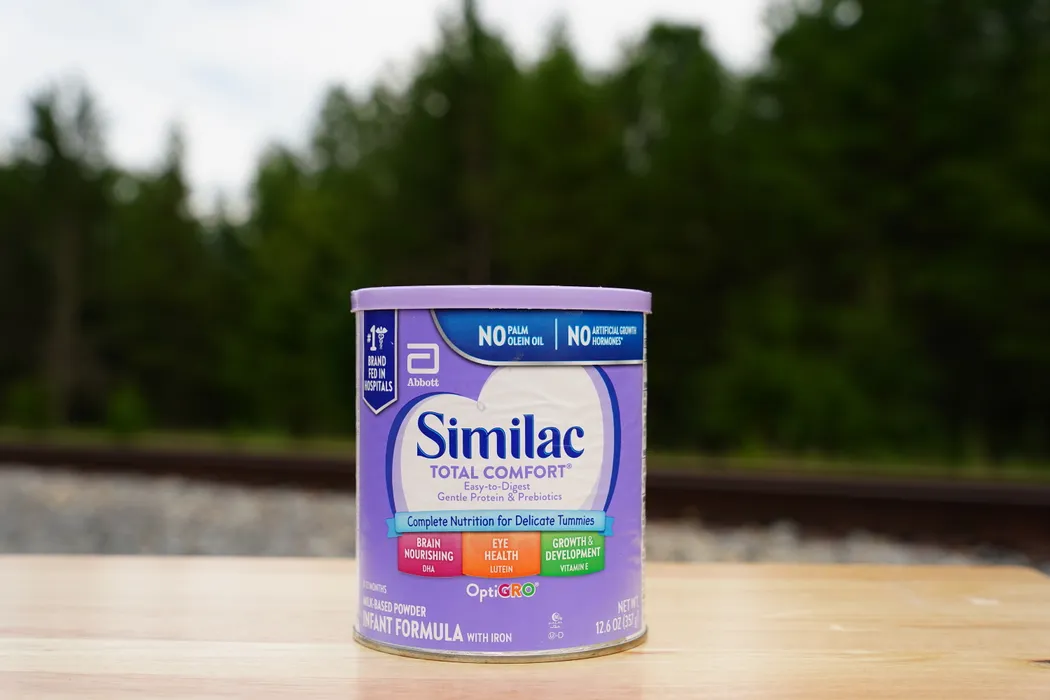
3. Similac Pro-Total Comfort

Designed for delicate digestive systems, this formula uses partially hydrolysed whey protein. This means the proteins have been broken down into smaller pieces, making them much easier for a baby's tiny tummy to digest. It is an excellent middle ground for babies who are experiencing general discomfort but do not have a diagnosed allergy.

4. Similac Alimentum

For babies diagnosed with a severe cow’s milk protein allergy (CMPA) or severe colic, Similac Alimentum is a lifesaver. This is a hypoallergenic formula where the milk proteins are extensively hydrolysed (broken down so completely that the body does not recognise them as an allergen). It can often reduce colic symptoms due to protein sensitivity within just 48 hours.

5. Similac NeoSure

Premature babies have unique nutritional catch-up needs. NeoSure is specifically designed for premature or low-birth-weight infants. It contains enriched calories, increased protein, and highly specific vitamin and mineral profiles to promote healthy weight gain and bone development in a baby's first year.

6. Similac Soy Isomil

For families raising their babies on a vegetarian diet, or for infants with a rare condition called galactosemia, Similac offers a soy-based formula. It is completely free of cow's milk and lactose, utilising soy protein isolate instead.

(Note: The American Academy of Paediatrics recommends speaking with your paediatrician before switching to a soy-based formula.

Buy Similac
 

How Much Does Baby Formula Similac Cost?

Budgeting for your new baby is incredibly important. The cost of baby formula Similac can vary based on the specific type your baby needs, the store you purchase it from, and the format of the formula.

Similac generally comes in three different formats, each with its own price point:

  • Powdered Formula: This is the most cost-effective and common option. You simply mix the powder with safe drinking water. A standard 30-ounce tub of powdered Similac usually ranges from $35 to $45, depending on the specialised type. This will typically yield about 215 fluid ounces of prepared formula.
  • Concentrated Liquid: This format requires you to mix equal parts of the liquid concentrate with water. It is slightly more expensive than powder but less messy to prepare. Prices range from $7 to $10 for a 13-ounce can.
  • Ready-to-Feed (RTF): As the name implies, this formula requires no mixing or water addition. It is the ultimate convenience, especially for late-night feedings or travelling, but it is the most expensive. A 32-ounce bottle typically costs between $9 and $13.

To save money, consider buying in bulk, signing up for the "Similac StrongMoms" rewards program for coupons, or checking if you qualify for WIC (Women, Infants, and Children) benefits, as Similac is an approved brand in many states.


Honest Review of Baby Formula Similac

When choosing an infant formula, parents want to know the real pros and cons. Here is an objective review of Similac based on nutritional science and parent feedback.
The Pros:

  • Nutritionally Complete: You can rest easy knowing that every Similac product meets rigorous FDA and CDC standards for infant nutrition.
  • Wide Variety: Whether your baby has reflux, a milk allergy, or needs extra calories for premature growth, Similac has a targeted formula.
  • Immune Support: The inclusion of HMO prebiotics in their standard lines is a massive benefit, closely mirroring the immune-boosting properties of breast milk.
  • High Accessibility: You can find Similac in almost every grocery store, pharmacy, and online retailer, making emergency late-night runs much easier.

The Cons:

  • Price: Similac is a premium, name-brand formula. It is noticeably more expensive than generic store-brand alternatives, which can strain a family's budget over a year.
  • Trial and Error: Because they offer so many varieties, parents sometimes bounce from one type of Similac to another, which can temporarily upset a baby’s digestion. Always give a new formula a week or two to settle in, unless your child shows signs of an allergic reaction.
     

Safely Preparing and Storing Your Formula

Even the best baby formula must be prepared safely to protect your child from illness. The Centres for Disease Control and Prevention (CDC) and the Mayo Clinic provide clear guidelines for preparing powdered infant formula safely:

1. Wash Your Hands: Always start by washing your hands thoroughly with soap and water. Ensure your baby’s bottles and nipples are cleaned and sanitised.

2. Measure the Water First: Always pour the required amount of safe, clean water into the bottle before adding the powder. Adding powder first can result in the wrong concentration.

3. Do Not Alter the Ratio: Never dilute infant formula to make it stretch further. Adding extra water can lead to a dangerous condition called water intoxication and deprive your baby of essential nutrients.
4. Safe Storage: Once prepared, a bottle of formula must be used within 2 hours at room temperature or within 1 hour once the baby has started drinking from it (due to bacteria from the baby's mouth). Unused, freshly mixed formula can be stored in the back of the refrigerator for up to 24 hours.
 

Conclusion


Choosing the right baby formula is a significant decision that balances nutritional needs, digestive sensitivity, and your family's budget. Similac remains a top-tier choice for many parents due to its science-backed formulations and wide variety of specialised options, ranging from standard milk-based powders to hypoallergenic and organic selections.
While the price point can be higher than generic store brands, the inclusion of proprietary blends like 2’-FL HMO for immune support and OptiGRO for brain and eye development often justifies the investment for those seeking premium ingredients. Ultimately, whether you prioritise the convenience of Ready-to-Feed bottles or the cost-effectiveness of bulk powder, the "best" Similac product is the one that sits well with your baby’s tummy and supports their unique growth milestones.
Before making a final switch or starting a new regimen, always consult with your paediatrician to ensure the specific formula aligns with your infant's health requirements.
 

FAQS

Is Baby Formula Similac safe for newborns?

Yes, standard Similac infant formulas (like Similac 360 Total Care) are entirely safe and nutritionally complete for full-term newborns from day one. If your baby was born prematurely, your paediatrician might recommend a specialised newborn formula like Similac NeoSure.

Can I switch between different types of Similac?

While you can switch, it is highly recommended that you consult your paediatrician first. Rapidly switching between formulas can cause gas, constipation, or diarrhoea. If a change is needed, it is best to do it gradually over a few days.

Does Similac cause constipation in babies?

Infant formula takes slightly longer to digest than breast milk, which can sometimes change a baby's bowel habits. While Similac itself does not inherently cause constipation, some babies may react differently to the iron content or the specific proteins in standard formulas. If constipation occurs, speak to a doctor before switching to a sensitive or comfort brand.

What is the difference between Similac Advance and Similac 360 Total Care?

Similac Advance is an older, classic formula that provides basic, complete nutrition with DHA, lutein, and vitamin E. Similac 360 Total Care is the newer, more advanced version that includes a unique blend of five HMO prebiotics for enhanced digestive and immune support.

How do I know if my baby has an allergy to their formula?

Signs of a cow's milk protein allergy can include excessive vomiting (more than standard spit-up), severe diarrhoea, blood or mucus in the stool, a persistent skin rash, or wheezing. If you notice any of these signs, contact your paediatrician immediately; they may suggest a hypoallergenic formula like Similac Alimentum.

Apollo 247 Floating Action Button