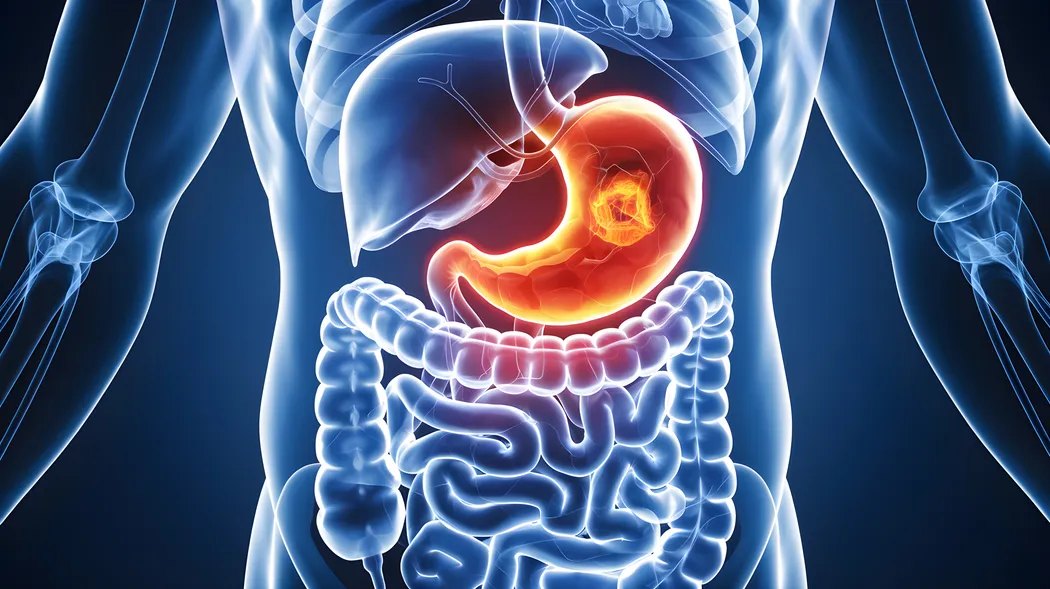
Stomach ulcers, also known as gastric ulcers, are open sores that develop on the lining of the stomach. These ulcers can be painful and have a significant impact on your overall health if left untreated. Though the stomach lining protects the stomach from the acid it produces to digest food, certain factors can disrupt this protective layer, leading to the formation of ulcers. Understanding the symptoms, causes, diagnosis, and treatment options for stomach ulcers is crucial for managing this condition effectively and preventing complications.
Stomach Ulcers: Symptoms, Causes, Diagnosis & Treatment
Learn about stomach ulcers, their symptoms, causes, diagnosis, and treatment options to manage gastric and duodenal ulcers effectively and prevent complications.
Apollo Pharmacy
Types of Stomach Ulcers
There are two primary types of stomach ulcers: gastric ulcers and duodenal ulcers. Understanding the differences between these two can help in accurate diagnosis and treatment.
Gastric Ulcers
- Location: Gastric ulcers are found in the lining of the stomach.
- Causes: The main cause of gastric ulcers is a bacterial infection called Helicobacter pylori (H. pylori). Other factors include excessive use of nonsteroidal anti-inflammatory drugs (NSAIDs), smoking, and stress.
- Symptoms: Common symptoms include abdominal pain or discomfort, bloating, heartburn, nausea, and weight loss.
Duodenal Ulcers
- Location: Duodenal ulcers occur in the upper part of the small intestine, known as the duodenum.
- Causes: H. pylori infection and NSAID use are common causes of duodenal ulcers. Additionally, excess acid production and genetic factors may increase the risk.
- Symptoms: Duodenal ulcers often present with symptoms such as burning or gnawing pain in the abdomen, especially between meals and at night. Relief is often experienced after eating or taking antacids.
Symptoms of Stomach Ulcers
Some of the common symptoms of stomach ulcers:
- Abdominal pain: The pain is often described as a burning or gnawing sensation that may come and go.
- Bloating: Some people with stomach ulcers may experience bloating or a feeling of fullness after eating.
- Indigestion: Stomach ulcers can cause indigestion, which includes symptoms like nausea, belching, and a feeling of discomfort in the upper abdomen.
- Heartburn: Many people with stomach ulcers also experience heartburn, a burning sensation in the chest that occurs after eating or lying down.
Some unusual symptoms of stomach ulcers include:
- Weight loss: In some cases, stomach ulcers can lead to unintentional weight loss. This may be due to a decreased appetite or difficulties with digestion.
- Loss of appetite: A loss of appetite can be a sign of a stomach ulcer, especially if it's accompanied by other symptoms.
- Blood in vomit or stool: If you notice blood in your vomit or stool, it's important to seek medical attention immediately as it could indicate a bleeding ulcer.
Causes and Risk Factors of Stomach Ulcers
Some of the common causes of stomach ulcers include:
1. Helicobacter pylori Infection
One of the primary causes of stomach ulcers is Helicobacter pylori infection. This bacterial infection affects the stomach lining and weakens its protective barrier, allowing stomach acid to damage the tissues. Around70-90% of individuals with stomach ulcers have an H. pylori infection.
2. Nonsteroidal Anti-Inflammatory Drugs (NSAIDs)
Another common cause of stomach ulcers is the use of nonsteroidal anti-inflammatory drugs (NSAIDs) such as aspirin, ibuprofen, and naproxen. These medications can irritate and erode the stomach lining, leading to the formation of ulcers. Long-term or excessive use of NSAIDs increases the risk significantly.
3. Other Risk Factors
In addition to H. pylori infection and NSAIDs, several other factors can contribute to the development of stomach ulcers:
- Smoking: Smoking increases the production of stomach acid and impairs the healing process.
- Excessive alcohol consumption: Alcohol irritates the stomach lining and increases stomach acid production.
- Stress: Although stress doesn't directly cause ulcers, it can worsen existing ones by increasing stomach acid production.
- Family history: Having a family history of stomach ulcers can increase an individual's risk of developing the same.
Diagnosis of Stomach Ulcers
Diagnosing stomach ulcers is crucial for timely treatment and preventing complications. Here are some of the diagnostic tests commonly used to diagnose stomach ulcers:
- Endoscopy: This procedure involves inserting a flexible tube with a camera down your throat to examine the lining of your stomach and small intestine. It allows doctors to visualize any ulcers or other abnormalities.
- X-ray examination: A series of X-rays are taken after you drink a liquid that contains barium, a substance that coats the lining of your digestive system. The X-rays can reveal any ulcers or other issues.
- Laboratory tests for H. pylori detection: A stool, blood, or breath test can be performed to check for the presence of Helicobacter pylori (H. pylori) bacteria, which is a common cause of stomach ulcers.
Treatment Options for Stomach Ulcers
When it comes to treating stomach ulcers, there are several options available. The choice of treatment depends on the severity of the ulcer and the underlying cause. Here are some of the treatment options:
Lifestyle Modifications
- Making dietary changes: Avoiding spicy and acidic foods can help reduce stomach acid production and alleviate symptoms.
- Stress reduction techniques: Stress can worsen ulcer symptoms, so practising relaxation techniques like deep breathing, yoga, or meditation can be beneficial.
- Smoking cessation: Smoking can delay ulcer healing and increase the risk of complications, so quitting smoking is crucial.
Medications
- Acid-suppressing medications: Proton pump inhibitors (PPIs) and H2 blockers are commonly prescribed to reduce stomach acid production and promote healing.
- Antacids: Antacids are over-the-counter medications that neutralize stomach acid and provide temporary relief from ulcer pain.
- Antibiotics for H. pylori eradication: Antibiotics are necessary to eradicate the ulcer-causing H. pylori bacteria.
- Cytoprotective agents: These medications help protect the lining of the stomach and promote healing.
Advanced Treatment Options
- Endoscopic therapy: In some cases, endoscopy may be performed to directly treat the ulcer using techniques like cauterisation, injection therapy, or placement of clips or bands.
- Surgical interventions: Surgery may be considered for severe or recurring ulcers that don't respond to medical treatment. Procedures can include removing the affected tissue or creating a barrier to protect the stomach lining.
Conclusion
In conclusion, several factors can contribute to the development of stomach ulcers. While a bacterial infection is usually the primary cause, other factors include long-term use of painkillers, excessive alcohol consumption, smoking, and high-stress levels. If you experience any symptoms of stomach ulcers, it is important to seek medical advice for proper evaluation and management.
To ensure the well-being of your stomach, Explore Stomach Care Essentials
FAQs
FAQs
Can stress cause stomach ulcers?
While stress can worsen ulcer symptoms, it is not a direct cause.
Can I prevent stomach ulcers?
Yes, certain lifestyle modifications can help prevent stomach ulcers, such as avoiding NSAIDs, reducing alcohol consumption, and managing stress levels.
When should I see a doctor for my symptoms?
It is advisable to see a doctor if you experience persistent abdominal pain, blood in your stool or vomit, or unexplained weight loss. Timely medical intervention can prevent complications.
How long does it take for a stomach ulcer to heal?
With proper treatment, most stomach ulcers heal within a few weeks to months. However, individual healing times may vary.
Can diet affect stomach ulcers?
Spicy foods and certain beverages like coffee and alcohol can irritate the stomach lining and make ulcer symptoms worse.


