Have you ever looked in the mirror and wished you could burn fat while building strong, toned muscles at the same time? For years, the fitness industry told us this was impossible. We were told we had to choose between cutting calories to lose fat or eating massive amounts of food to build muscle. However, modern science shows that achieving both simultaneously, a process known as body recomposition, is entirely possible. The secret lies in following a well-structured diet for weight loss and muscle gain. In this comprehensive guide, we will break down exactly how you can achieve weight loss and muscle gain together. By eating the right foods, timing your meals, and understanding how your body works, you can transform your physique safely and effectively.
In this article
Diet for Weight Loss and Muscle Gain
Discover the best diet for weight loss and muscle gain. Learn how to burn fat, build lean muscle, balance macros, and follow a high-protein diet plan for effective body recomposition.
Dr. Bhanu Prakash
Understanding Weight Loss vs Muscle Gain
When starting a fitness journey, many people find themselves torn, wondering if they should focus on weight loss or muscle gain first. Traditionally, athletes use "bulking" (eating extra calories to build muscle) and "cutting" (eating fewer calories to lose fat) phases. But what about the middle ground? Exploring weight loss vs muscle gain reveals that while fat loss requires a calorie deficit (eating less than you burn), muscle growth requires energy and protein.
However, if you are a beginner to strength training, returning from a break, or carrying excess body fat, you are in a prime position to achieve weight loss with muscle gain. Your body can effectively use your stored fat as the energy needed to fuel muscle growth, provided you feed it the right building blocks.
The Threat: Muscle Loss During Weight Loss
One of the biggest mistakes people make when trying to slim down is drastically cutting calories without paying attention to their nutrients. This leads to a common and frustrating problem: muscle loss during weight loss.
When stepping on the scale, it is crucial to understand weight loss vs muscle loss. A dropping number on the scale does not always mean you are losing fat; you might be losing valuable muscle tissue. Experiencing muscle weight loss is detrimental because muscle tissue burns more calories at rest than fat tissue. If you lose muscle, your metabolism slows down, making it harder to keep the weight off long-term.
To prevent muscle loss and weight loss from happening at the same time, you must prioritise strength training and consume adequate protein. A properly planned weight loss and muscle gain diet protects your hard-earned muscle while forcing your body to burn fat for fuel.
Key Elements of the Best Diet for Weight Loss and Muscle Gain
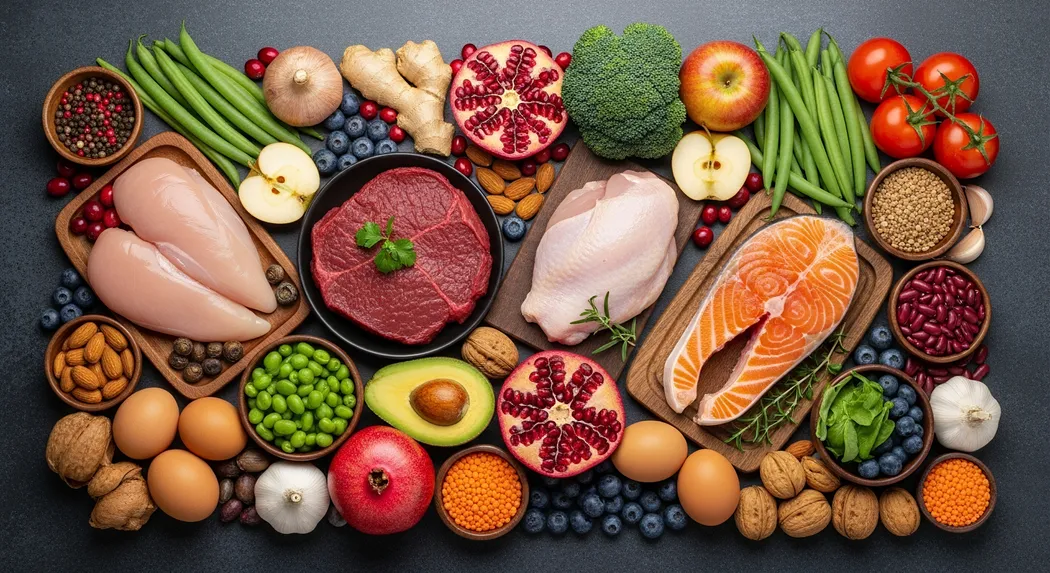
Creating the best diet for weight loss and muscle gain comes down to balancing your macronutrients: protein, carbohydrates, and fats. Here is what your daily plate should look like:
1. High Protein Intake
Protein is the absolute most important nutrient in a weight loss and muscle gain diet. When you lift weights, you create tiny micro-tears in your muscle fibres. Protein provides the amino acids necessary to repair and grow those fibres. Aim for 0.7 to 1 gram of protein per pound of your body weight. Excellent sources include:
- Chicken breast and turkey
- Fish (salmon, tuna)
- Eggs and Greek yoghur
- Plant-based options like tofu, lentils, and edamame
2. Complex Carbohydrates
Carbs are not the enemy; they are your body's preferred energy source. A good diet plan for weight loss and muscle gain includes complex, slow-digesting carbohydrates to fuel your workouts without spiking your blood sugar. Opt for:
- Oats and quinoa
- Brown rice and sweet potatoes
- Whole-grain breads and pasta
3. Healthy Fats
Fats are vital for hormone production, including testosterone, which plays a major role in muscle building. Your diet plan weight loss muscle gain strategy should include healthy, unsaturated fats such as:
- Avocados
- Nuts (almonds, walnuts) and seeds (chia, flaxseed)
- Olive oil and coconut oil
Do Supplements Help?
While a diet plan for weight loss and muscle gain should always prioritise whole foods, supplements can be incredibly helpful for filling in the gaps.
Common Supplements for Muscle Gain and Fat Loss
- Whey Protein Powder: A convenient way to hit your daily protein goals without adding extra fat or carbs.
- Creatine Monohydrate: One of the most studied and safe supplements that helps increase strength and muscle volume.
- Targeted Formulas: Some fitness enthusiasts look into specific brands, such as a Muscletech weight loss supplement or protein blend, to support energy levels and boost metabolism during workouts. Always consult your doctor before starting any new supplement.
Building Your Weight Loss Muscle Gain Diet Plan
To succeed, you need structure. The best diet plan for weight loss and muscle gain operates on a slight caloric deficit. This means you should aim to eat about 200 to 300 calories fewer than your maintenance level. This small deficit is enough to prompt fat burning but small enough to allow muscle growth. Many people find it incredibly helpful to document their meals. You might even want to create or download a weight loss and muscle gain diet plan PDF to print and stick on your refrigerator. Having a visual reminder keeps you accountable.
A Sample Weight Loss and Muscle Gain Diet Plan
Wondering what a typical day of eating looks like? Here is an example of a simple, effective weight loss muscle gain diet plan:
- Breakfast: 3 scrambled eggs with spinach, a slice of whole-grain toast, and half an avocado.
- Mid-Morning Snack: 1 cup of Greek yoghurt with a handful of blueberries and almonds.
- Lunch: Grilled chicken breast salad with mixed greens, cherry tomatoes, cucumbers, quinoa, and an olive oil dressing.
- Afternoon Snack (Pre-Workout): An apple and a scoop of whey protein shaken with water or almond milk.
- Dinner: Baked salmon, a serving of roasted sweet potatoes, and steamed broccoli.
- Evening Snack (Optional): A small portion of cottage cheese (rich in slow-digesting casein protein).
This weight loss and muscle gain diet plan provides a steady stream of protein throughout the day, ensuring your muscles have the fuel they need while keeping overall calories in check.
Lifestyle Factors: Beyond the Diet
Even the perfect diet for weight loss and muscle gain won't work if you ignore other crucial health pillars.
Strength Training
You must challenge your muscles. Aim for 3 to 5 days of resistance training per week, focusing on compound movements like squats, deadlifts, and push-ups.
Hydration
Water is essential for fat metabolism and muscle recovery. Drink at least 8 to 10 glasses of water daily.
Sleep
Muscles do not grow in the gym; they grow while you rest. Poor sleep raises cortisol (a stress hormone), which can trigger fat storage and muscle breakdown. Aim for 7-9 hours of quality sleep per night.
Consistency is Your Greatest Tool
Ultimately, successfully balancing fat loss and muscle growth takes time. You are asking your body to do two opposite things at once. Do not rush the process. Stick to your diet for weight loss and muscle gain, stay consistent with your workouts, and trust the science. Over time, you will notice your clothes fitting differently, your strength increasing, and your energy levels soaring.
Conclusion
Achieving both fat loss and muscle gain is entirely possible with the right strategy and consistency. A balanced diet rich in protein, complex carbohydrates, and healthy fats provides the nutrients your body needs to burn fat while supporting muscle growth. When combined with regular strength training, proper hydration, and adequate sleep, a well-structured diet for weight loss and muscle gain can help transform your body composition over time. Focus on sustainable habits rather than quick fixes, stay patient with the process, and you will gradually build a stronger, leaner, and healthier physique.
FAQS
FAQS
Is it actually possible to lose fat and gain muscle at the same time?
Yes. While it is challenging, body recomposition is highly possible, especially for beginners, people with higher body fat percentages, or those returning to exercise after a break. It requires a high-protein diet, a slight caloric deficit, and consistent strength training.
How much protein do I really need every day?
For muscle gain and retention during weight loss, most health experts recommend consuming between 0.7 and 1 gram of protein per pound of your body weight. For example, a 150-pound person should aim for 105 to 150 grams of protein daily.
Will doing too much cardio make me lose muscle?
.Excessive cardiovascular exercise, especially when combined with a severe calorie deficit, can lead to muscle loss. To protect your muscles, keep your cardio moderate (like brisk walking or light cycling) and always prioritise weightlifting.
Should I cut out carbohydrates to lose weight?
No, you do not need to cut out carbs. Carbohydrates provide the essential energy required to perform intense strength-training workouts. Focus on eating complex, high-fibre carbs like oats, brown rice, and vegetables, rather than sugary, processed foods.
How long does it take to see results from a body recomposition diet?
Because you are losing fat and gaining muscle simultaneously, the scale might not move much at first. It usually takes 4 to 8 weeks to see noticeable changes in the mirror or how your clothes fit. Tracking your progress with photos and tape measurements is more accurate than relying solely on a scale.


