Losing weight can often feel like an overwhelming journey, especially when you think it means giving up your favourite traditional foods. If you grew up enjoying rich, flavorful South Indian meals, the thought of surviving on bland salads and boiled vegetables might seem impossible. But here is the good news: you do not have to sacrifice your culture to achieve your health goals. By following a well-structured diet plan for weight loss, you can enjoy delicious local meals while shedding unwanted pounds safely and sustainably. Weight loss fundamentally relies on a simple scientific principle called a caloric deficit. This means you must consume fewer calories than your body burns each day. Traditional cuisine is packed with healthy spices, lentils, and vegetables. With a few mindful adjustments, such as practising portion control and swapping refined grains for whole grains, you can easily transform your daily meals into a powerful weight loss tool. In this comprehensive guide, we will walk you through building the perfect everyday menu, share actionable tips, and help you understand how to make the most of your traditional diet.
South Indian Diet Plan for Weight Loss Guide
Discover a practical diet plan for weight loss in the Southern region of India. Learn how traditional South Indian foods, millets, lentils, and portion control can support healthy and sustainable weight loss.
Dr. Bhanu Prakash
Understanding the Basics of a Southern Region Diet Plan for Weight Loss
The cornerstone of traditional food in a few states is rice, accompanied by spicy curries, tangy rasam, and flavorful dals (pappu). While these foods are deeply satisfying, the high consumption of polished white rice and generous amounts of oil can lead to weight gain. To create an effective diet plan for weight loss, you need to focus on balancing your macronutrients: carbohydrates, proteins, and healthy fats.
1. Complex Carbohydrates
Instead of polished white rice, opt for fibre-rich alternatives like brown rice, unpolished millets (korralu, jowar), and whole wheat. These keep you full for longer and prevent sudden blood sugar spikes.
2. Lean Proteins
Protein is crucial for maintaining muscle mass while losing fat. Include more moong dal, toor dal, chickpeas, paneer, eggs, and lean chicken in your daily meals.
3. Healthy Fats
Use cooking oils moderately. Cold-pressed peanut oil, sesame oil, or moderate amounts of homemade ghee are excellent choices, provided you watch your portion sizes.
A Sample Weight Loss Diet Plan
Creating a routine is the secret to long-term success. Below is a versatile, balanced structure that you can follow every day. You can easily adapt these meals to suit your taste preferences while sticking to a healthy weight loss diet plan.
Early Morning (6:00 AM - 7:00 AM)
Start your day by hydrating your body and boosting your metabolism.
1. Option 1: A glass of warm water with half a squeezed lemon and a teaspoon of honey.
2. Option 2: Jeera (cumin) water or methi (fenugreek) water left to soak overnight.
Breakfast (8:00 AM - 9:00 AM)
Breakfast should be protein-rich to keep your energy levels high.
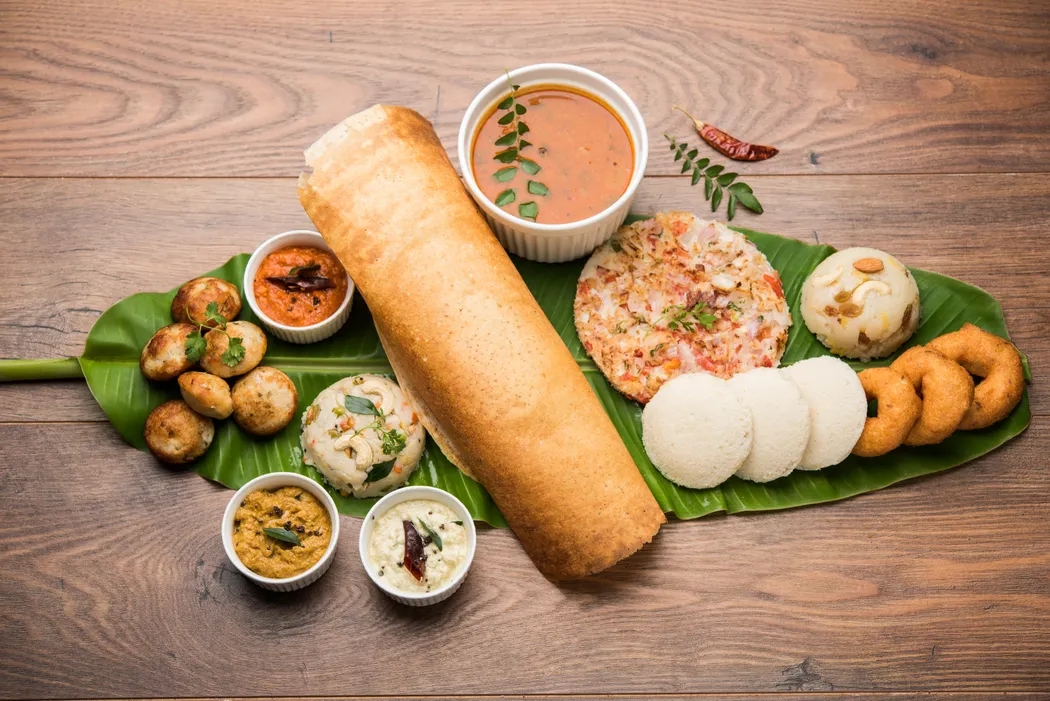
1. Option 1: 2 Pesarattu (moong dal dosa) made with minimal oil, served with ginger chutney and a small bowl of sambar.
2. Option 2: A bowl of oats upma packed with finely chopped vegetables like carrots, beans, and peas.
3. Option 3: 2 Ragi or millet idlis with a side of vegetable sambar (avoid coconut chutney as it is high in calories).
Mid-Morning Snack (11:00 AM)
Keep your metabolism active and prevent severe hunger before lunch
.1. Option 1: A glass of plain buttermilk (majjiga) with a pinch of roasted cumin powder.
2. Option 2: One whole fruit (like an apple, guava, or papaya).
3. Option 3: A small handful of soaked almonds and walnuts.
Lunch (1:00 PM - 2:00 PM)
Lunch should be your heaviest meal of the day, but perfectly portion-controlled.
1. Carbs: 1 cup of brown rice, quinoa, or 2 jowar rotis.
2. Protein: 1 cup of leafy green dal (like palakura pappu or thotakura pappu) or 1 cup of lean chicken curry prepared with less oil.
3. Vegetables: 1 large cup of vegetable stir-fry (vepudu) such as bottle gourd (sorakaya), ridge gourd (beerkaya), or okra (bendakaya) made with minimal oil.
4. Sides: A generous portion of fresh cucumber and carrot salad.
Evening Snack (4:00 PM - 5:00 PM)
1. Option 1: A cup of green tea or black coffee (without sugar).
2. Option 2: A small bowl of roasted makhanas (fox nuts) or boiled chickpeas (guggillu).
Dinner (7:30 PM - 8:30 PM)
Keep your dinner light and try to finish eating at least two hours before going to bed.
1. Option 1: 2 plain phulkas with a mixed vegetable curry or dal.
2. Option 2: A warm bowl of broken wheat (dalia) upma with a side of light rasam.
3. Option 3: A large bowl of mixed vegetables and lentil soup.
Essential Diet Plan Weight Loss Tips
To see the best results, it is important to pair your eating habits with lifestyle changes. If you are searching for the best diet plan weight loss tips, keep these golden rules in mind:
Hydrate Frequently
Drink at least 2.5 to 3 litres of water daily. Sometimes our bodies confuse thirst with hunger. Drinking water before meals can also help control portion sizes.
Practice Mindful Eating
Chew your food slowly. It takes about 20 minutes for your brain to register that your stomach is full. Eating slowly prevents overeating.
Control Your Cooking Oil
Southern cuisine traditionally uses generous amounts of oil for tadka (popu) and deep frying. Switch to a non-stick pan or measure your cooking oil with a teaspoon rather than pouring it directly from the bottle.
Prioritize Sleep
Lack of sleep increases the production of the hunger hormone (ghrelin) and decreases the fullness hormone (leptin). Aim for 7-8 hours of quality sleep every night.
Get Moving
Diet alone is not enough. The Centres for Disease Control and Prevention (CDC) recommends at least 150 minutes of moderate-intensity aerobic activity per week. Add brisk walking, yoga, or jogging to your daily routine.
Foods to Embrace & Avoid in Your Diet Plan for Weight Loss
To make your journey smoother, you need to know exactly what to stock in your kitchen and what to throw away. A successful diet plan for weight loss focuses on whole, unprocessed foods.
Foods to Embrace
1. Millets (Siridhanyalu): Finger millet (ragi), pearl millet (sajja), and foxtail millet (korralu) are incredible for weight loss due to their high fibre content.
2. Gourds: Ash gourd, bottle gourd, and snake gourd are very low in calories and high in water content.
3. Leafy Greens: Gongura, thotakura (amaranth leaves), and spinach provide vital iron and vitamins.
4. Spices: Turmeric, cumin, black pepper, and garlic are natural metabolism boosters common in Telugu kitchens.
Foods to Limit or Avoid
1. Traditional Pickles (Pachadi): Mango, lemon, and tomato pickles are mouth-watering but are heavily loaded with sodium and oil. Consume them rarely and in tiny amounts.
2. Deep-Fried Snacks: Keep away from bajjis, pakodas, and punugulu.
3. Refined Sugar: Cut out traditional sweets like laddu, jalebi, and sugary teas. Opt for a small piece of jaggery if you crave something sweet, but remember that jaggery still contains calories.
4. White Bakery Items: Avoid white bread, rusks, and biscuits.
How to Follow and Track Your Progress?
Consistency is the most important factor in any health journey. You do not have to be perfect; you just have to be consistent. Many people find it helpful to document their meals. You might even want to consult a registered dietitian who can provide a personalised weight loss diet plan in PDF. Having a physical printout or a PDF on your phone can keep you accountable when you go grocery shopping or plan your weekly meals. A printed weight loss diet plan acts as a daily reminder of your health commitments and helps you avoid impulsive food choices.
Always remember that healthy weight loss is a marathon, not a sprint. Crash diets or starving yourself will only lead to muscle loss and nutritional deficiencies. Embrace the rich, balanced nature of your traditional diet plan for weight loss, stay physically active, and watch as your body transforms safely and naturally.
Conclusion
Following a balanced diet plan for weight loss in the Southern region of India does not mean giving up your traditional foods. By practising portion control, choosing whole grains like millets, and incorporating plenty of vegetables and lean proteins, you can create a healthy and sustainable routine. Consistency, mindful eating, and regular physical activity play a crucial role in achieving long-term results. Instead of relying on extreme diets, focusing on nutritious home-cooked meals can help support gradual and safe weight loss. With the right approach, your traditional South Indian diet can become a powerful tool for maintaining both health and cultural food habits.
FAQS
FAQS
Can I still eat white rice while following a diet plan for weight loss?
Yes, you can eat white rice, but portion control is critical. Limit your intake to one small cup per meal and pair it with a large serving of high-fibre vegetables and protein (like dal). For better results, try replacing half of your white rice with brown rice or millets.
Are traditional Telugu pickles (pachadi) bad for weight loss?
While traditional pickles are a staple in South Indian households, they are typically prepared with high amounts of salt and oil to preserve them. High sodium causes water retention, and excessive oil adds hidden calories. It is best to consume them very sparingly or switch to fresh, oil-free chutneys.
How much weight can I safely lose in a month on this diet?
According to the Centres for Disease Control and Prevention (CDC), a healthy and sustainable rate of weight loss is about 1 to 2 pounds (approx. 0.5 to 1 kg) per week. This means you can expect to safely lose around 2 to 4 kilograms in a month without harming your metabolism.
Is fasting required to lose weight fast?
No, fasting is not a strict requirement for weight loss. Eating balanced, portion-controlled meals consistently is far more effective than starving yourself. However, some people prefer time-restricted eating (like Intermittent Fasting), which can be safe if approved by your healthcare provider.
Do I need to exercise if I strictly follow my weight loss diet plan?
While diet plays the largest role in weight loss, exercise is vital for overall health, maintaining muscle mass, and keeping the weight off long-term. Combining your diet with at least 30 minutes of daily physical activity, like brisk walking or cycling, will yield the best results.


